Five… or seven basic human movement patterns

Farmers-Walk

Commonly, when you talk to somebody in the gym about programming or training they will always tell you how much they can bench or sometimes how often they squat.

A lot of people will tend to talk about the pushing or squatting movements. Sometimes they might say they do a few pull-ups here and there. The major focus is on the musculature that they can see. This not optimal for anybody, from the elite athlete to the occasional weekend warrior.

There are five basic human movement patterns.

You will always hear about the push, the pull, and the squat. Occasionally, you will hear about the hinge. The final basic movement is the loaded carry.

Some examples of the five basic movement patterns:

Push
Push-up, bench press, overhead press and dips.

Pull
Pull-up, cleans, rows and pull-downs.

Squat
Goblet squat, back squat, lunge and leg press.

Hinge
Deadlift and the kettlebell swing.

Loaded Carry
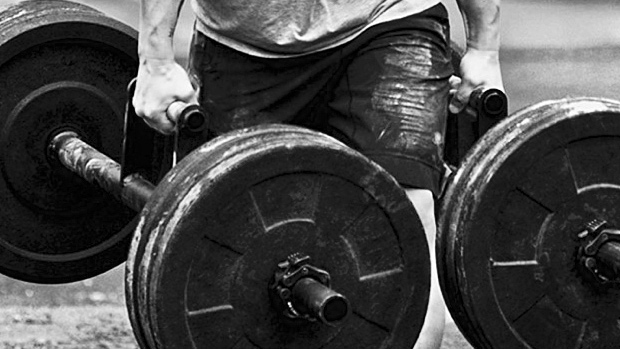
Farmers walk, suitcase walk, waiters walk, rack walks.

The five movement patterns in order of popularity:

  1. Push;
  2. Pull;
  3. Squat;
  4. Hinge;
  5. Loaded Carry.

Now, if you were place these movements in order of how they could impact you almost overnight, the order would look more like this:

  1. Loaded Carry;
  2. Squat;
  3. Hinge;
  4. Pull;
  5. Push.

Further to these movement patterns, you could add the following:

  1. Rotation;
  2. Counter-rotation.

This is basically creating, or eliminating force through the torso whilst the hips and/or shoulders move. It also helps the body stabilise the spine in the event of external forces being applied to the body.

Examples of these additional movements include:

Rotation
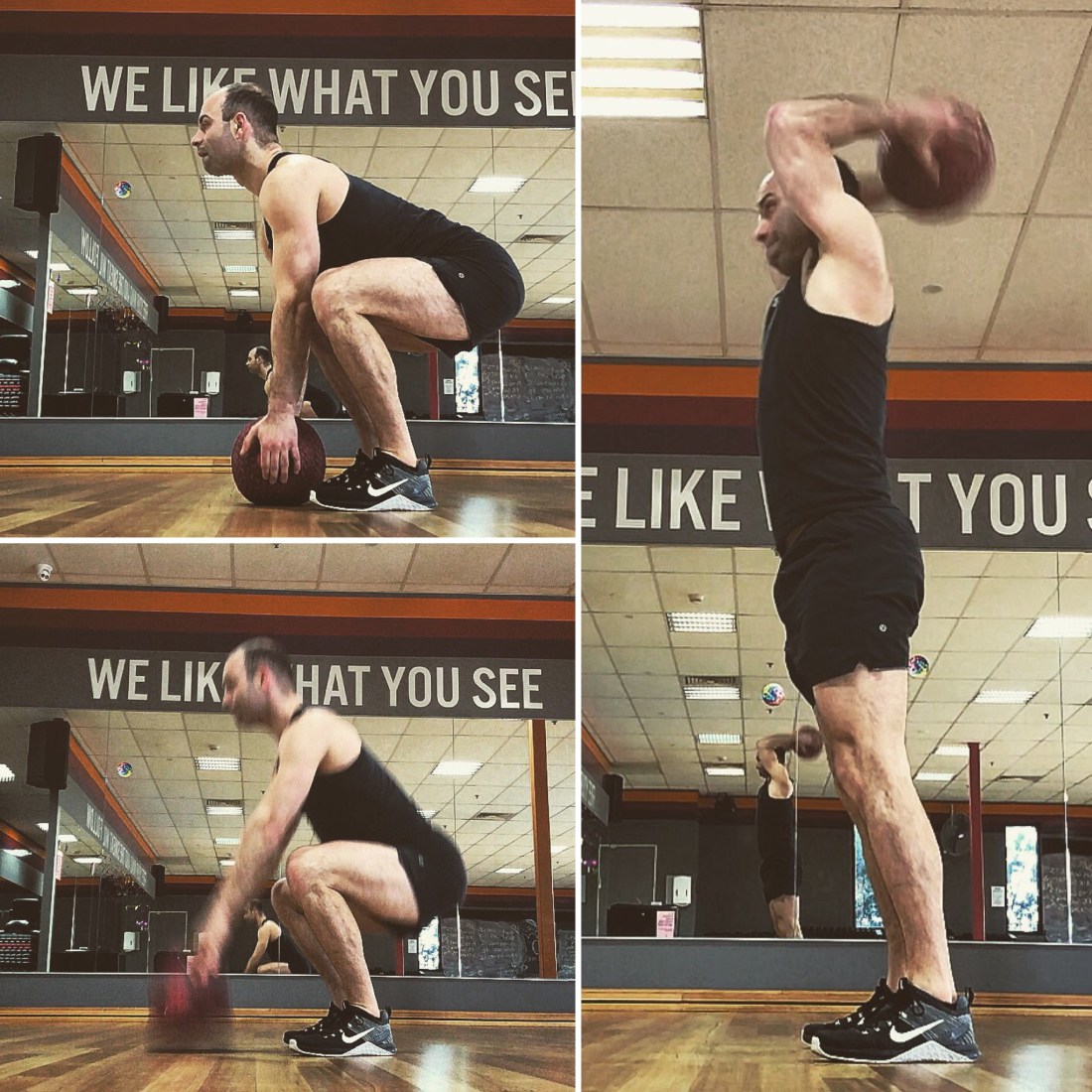
Russian twist, medicine ball rotational throw and sledgehammer swings.

Counter-rotation
Single-arm suitcase carry, single-arm swings, renegade rows and unilateral loaded deadlifts.

Programming workouts
When programming, just adding some form of loaded carry to you strength training can make huge impacts in just three or four weeks! Even if it is something simple like the farmers walk. I four weeks, you will be better. Your body will have improved posture and overall muscle density, which will transition across all of the other lifts.

A simple way to program is to choose an exercise from each of these basic movements and create a total body workout. Alternatively, you could combine two movements, such as a push / pull combination and squat / hinge combination and add the loaded carry to each workout.

Rotation and counter rotation exercises can be added to any workout for a more complete workout.

Training programs don’t need to be complex to work. Most of the time, the simple stuff works.

Four foods that can boost athletic performance

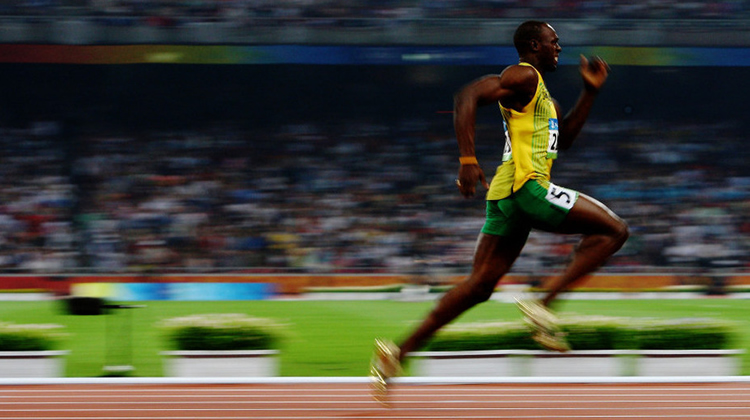
usain-bolt-sprinting

With more and more people looking into whole food, ancestral or evolutionary type diets, more and more athletes are choosing to adopt a paleo-based approach to eating in order to improve their overall performance.

One of the reasons I believe that a paleo type diet is the best template for athletes to build a perfect personalized diet is because, by definition, it includes all of the key factors needed to be healthy, recover well and perform at your best when exercising intensely.

Here are a few foods that can boost physical performance and should be a staple for almost all athletes.

Eggs
Eggs are the most complete source of amino acids and rank the highest when it comes to assessing protein quality based on their biological value.

A single egg contains roughly seven grams of complete protein and contains all of the eight essential amino acids required to build and maintain muscle.

Eggs are loaded with B-vitamins, a great source of vitamins B1, B2, B6, and B12. Eggs also contain a lot of choline, a vitamin-like essential nutrient that’s similar to B-vitamins that supports proper brain function, and is sometimes used by athletes to delay fatigue in endurance sports.

Eggs are also an excellent source of zinc, which optimizes testosterone production and the building of lean muscle mass, and also a pretty good source of magnesium, which is essential for over 300 cellular functions and is linked to improved intra-workout recovery and better quality sleep.

Egg yolks are one of the few foods that naturally contain vitamin D, making it a convenient way to up your intake without having to sit out in the sun. Vitamin D is essential for strong bones and muscles, as well as overall health.

Eggs also contain iron which is required to produce haemoglobin, which carries oxygen throughout the body.

A complete amino acid profile, a ton of micronutrients, all great for athletes, and surprisingly low-calorie equals one nutrient dense food source for optimising performance.

Grass-fed Butter
For the last 30 years or so, saturated fats like butter have been erroneously considered the number one enemy in conventional medicine, supposedly responsible for heart disease and poor health. However, the scientific community is now clear that saturated fats aren’t bad for us, and in fact are extremely important for overall health.

Grass-fed Butter is literally a Superfood. Nutrient wise it’s very high in Vitamins A, D, E and K2. These vitamins are responsible for hormonal balancing, and cardiovascular health. Magnesium and Zinc are also huge players in the game. By consuming Grass-fed Butter you can balance calcium levels, repair muscles and provide adequate energy during training.

Grass-fed Butter can provide 20 times more ATP during cellular metabolism than can be gained by eating all sorts of processed grains and sugars.

Saturated fats play a critical role on a couple of fronts. First, they are shown to help athletes recover from intense exercise and over-training. Studies have found that athletes who are rundown during periods of intense training typically have low cortisol and low testosterone levels, to go along with fatigue, excessive delayed onset muscle soreness, low libido and low mood… all symptoms of over-training.

Saturated fats can also be a great tool for endurance athletes, because unlike most fats they can be absorbed directly by the gut and used for instant energy. This means the medium chain triglycerides in butter can effectively be used like carbohydrates for energy during runs, rides, swims, or metabolic conditioning.

You get 9 calories when using fats for fuel versus 4 calories when using carbohydrates, so you dramatically improve your fuel efficiency. This can translate into better performance.

Beets
The consumption of large quantities of beets has been found to dramatically increase blood nitrate levels, and in turn boost athletic performance.

This promotes nitric oxide formation, which is a powerful vasodilator that helps increase blood flow to working muscles allowing your mitochondria to produce ATP more efficiently. This creates an ‘anti-fatigue’ effect, meaning you can do the same amount of work for longer period with less stress to the body, producing significant endurance benefits in athletes.

Load up on beet juice daily for five or so days before a competition or consume as a regular part of your diet to reap the benefits.

Coffee
Not necessarily an ancestral or traditional food, coffee can provide a terrific performance boost. There are countless performance-enhancing supplements that are now available on the market, some of them better than others. The best however, if you’re looking to improve your performance, is a the classic cup of black coffee.

Caffeine, found naturally in tea and coffee, is truly one of the best performance-enhancing drugs in the world. In fact, supplemental caffeine is the “secret” ingredient in virtually all the marketed weight loss and performance supplements because it’s so effective.

What can caffeine do for you?

A cup of black coffee is all you need for a natural stimulant and effective pre-workout. Several studies have shown caffeine to boost athletic performance and improve a variety of other health markers.

The effects will vary from person to person, but the peak stimulant effect usually occurs 30-60 minutes after consumption. Once it enters the bloodstream, several responses begin to occur within the body. Heart rate and blood pressure increase, which in turn delivers oxygen to the muscles at a faster rate and fat stores begin to metabolize and are released into the bloodstream. This typically will lead to you feeling energised and ready to workout.

With regards to athletic performance, caffeine has been shown to increase various types of performance when consumed in moderate amounts.

Caffeine has also been shown to give the athlete the ability to train for longer duration and with a higher power output. It has also been shown to improve overall endurance and resistance to fatigue.

Endurance athletes probably benefit the most from the consumption of caffeine. This may be due to the point mentioned above where caffeine consumption can increase the breakdown of fat stores to be used as energy, thus saving stored glycogen for when it is needed most, such as the increased intensity of a sprint to the finish line.

Why women should be lifting heavier

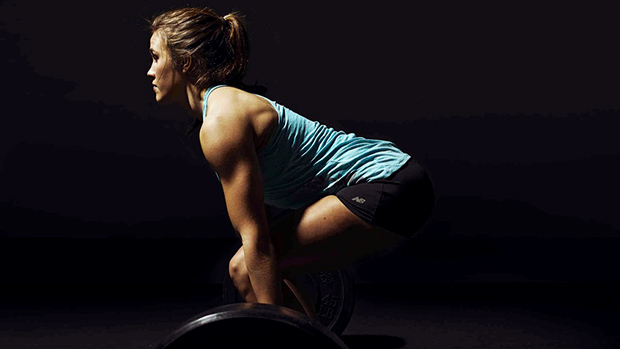
4-Reasons-Women-Must-Deadlift

Just about everybody will agree that women will benefit from lifting weights. With the introduction of modalities like Crossfit and F45 in recent years, weight training amongst women has gained popularity, and more and more of these women have been successful in their training endeavours like never before.

That being said, the reality is that is still less popular for women to be lifting heavy weights. This is the 1 to 5 repetition range that can get you real strong and lean. 

Here are some of the best reasons why women should be lifting a little heavier.

Improved body composition
Basically, this means less body fat and stronger curves. Which woman doesn’t want that? Most women join a gym and start lifting weights as part of a plan to lose unwanted body fat, but they don’t have a real goal or training end state.

They might follow a simple weight training program that will suggest moderately heavy weight in the 8 to 15 repetition range, or attend several high intensity group classes. Eventually, these workouts will feel easy, or boring, and it will be necessary to find a new challenge to keep the body positively adapting to the physical workload. 

If you have successfully mastered key movements like the squat and deadlift it may be time to lift some heavier loads with lower repetitions to increase your muscular density and strength. 

The stronger you get, the easier it will be to positively transform your body with continued training.

The take away point here is that lifting heavier weights develops muscular density. You will not see the serious muscle growth like some of the top bodybuilders and Crossfit athletes. That actually take years of intense training, combined with eating a lot of calories and targeted supplementation. You will however, develop the sleek sculpted curves that most women are thinking about when they say athletic and toned.

Healthier heart, brain, hormones and metabolism
Lifting heavier weight can have unique benefits to the human physiology that you can’t get from lifting lighter loads.

Heavy lifting protects the body by causing metabolic and functional adaptations to the muscles and brain that safeguard the body from injury, disease and excess fat gain.

Heavy lifting requires the training of multi-joint movements that use the whole body, such as the deadlift, squat and farmers carry. Training this way will develop the whole body as a functional machine capable of performing how it has evolved to perform.

Also, heavy lifting activates protective genetic pathways that keep the heart healthy and metabolism efficient.

Stress relief
Exercise in general is a great way to manage stress. The whole fat loss process is inherently stressful. Many women (men also) will fixate on it, and in doing so, increase anxiety levels which will force the body into a kind of threatened state.

Once in this threatened state the body will have elevated its cortisol levels as a protective measure. Cortisol is an important hormone when it comes to fat loss, because it is involved in the release of energy stores to be burned for fuel when blood glucose levels drop.

Optimal cortisol levels required for fat loss flow like a wave. They are at their highest in the morning upon waking, and lower throughout the day. Several factors, such as restricting food when hungry or training twice per day, forces cortisol levels to remain elevated for longer periods, which can slow the fat loss process.

Improved bone density
Another major health risk for women is bone health. Due to hormonal changes that occur during menopause, many women lose bone density and strength. Not only a risk for women, as the human body actually begins to lose bone density in its 30s and consistent strength training can delay or even reverse the process.

Improved mental and physical capacity
Not only does lifting heavier weight make you stronger and leaner, but it can have a positive effect on your entire life. You will stand taller and generally more confident overall. You will find an increase in energy levels, better sleep quality, and notice how much easier it is to run around with your children (if you have any), even carrying all of your grocery bags into the house in a single trip.

Simply put, being able to complete everyday tasks as required with ease and having the capacity to do more as life requires.

Strengthening your body will improve your overall quality of life.

Are you at risk of Diabetes?

sugar-cubes-diabetes_h

What is Type-2 diabetes?
Type-2 diabetes is a chronic (long-term) disease marked by high levels of sugar in the blood. It is sometimes called a lifestyle disease, because it is more common in people who don’t do enough physical activity, and who are overweight or obese.

Type-2 diabetes is diagnosed when the pancreas does not produce enough insulin (reduced insulin production) and/or the insulin does not work effectively, and/or the cells of the body do not respond to insulin effectively (insulin resistance).

Type-2 diabetes is the most common form of diabetes, contributing to approximately 85% of all cases.

There are currently over 1.2 million people in Australia with diabetes. This figure is expected to increase significantly in the coming years, with over 2 million people at high risk of developing diabetes.

People with diabetes have a higher risk of developing heart disease, stroke, high blood pressure, circulation problems, lower limb amputations, nerve damage and damage to the kidneys and eyes.

In 2004-2005, 60% of all people reporting diabetes also reported having cardiovascular disease

– Australian Bureau of Statistics

Risk Factors
Many Australians, particularly those over the age of 40, are at risk of developing Type-2 diabetes through poor lifestyle choices such as inadequate physical activity and poor nutrition.

Some genetic factors may also increase your risk of developing type-2 diabetes.

Symptoms
Common symptoms include:

  • Increased thirst;
  • Frequent urination;
  • Unexplained weight loss;
  • Increased hunger;
  • Reduced energy;
  • Reduced healing capacity;
  • Itching and skin infections;
  • Blurred vision;
  • Increased weight;
  • Mood swings;
  • Leg cramps.

Insulin
Insulin is a hormone produced by the pancreas that allows the body to use glucose from carbohydrates in the food for energy, or to store glucose for future use. Insulin helps keep your blood glucose level from getting too high (hyperglycemia), or too low (hypoglycemia).

Many of the cells in your body use glucose for energy. However, glucose cannot go into most of your cells directly. After you eat food and your blood glucose level rises, the beta cells in your pancreas are signalled to release insulin into your bloodstream.

Insulin is often described as the key that unlocks the cell to allow sugar to enter the cell and be used for energy.

If you have more glucose in your body than it needs, insulin helps store the glucose in your liver and will release it when your blood glucose level is low or during times of physical activity. Therefore, insulin helps balance out blood glucose levels and keeps them in a normal range. As blood glucose levels rise, the pancreas secretes more insulin.

If your body does not produce enough insulin or your cells are resistant to the effects of insulin, you may develop hyperglycemia, which can cause long-term complications if the blood sugar levels stay elevated for long periods of time.

Below is a table explaining risk levels based on your blood glucose levels, in both fasted and non-fasted (2-hours post-meal) states.

blood-glucose-numbers-e1542706142794.jpg

What can you do about lowering your risk?
For a start, your lifestyle choices can definitely lower your chances, or, at least delay the onset of type-2 diabetes.

There are some factors that you can not change, such as your genetic makeup and predisposition to developing type-2 diabetes. You can, however, do something about being overweight, waist measurement, how active you are, eating habits, and how much or often you smoke.

Even if you haven’t won the gene pool lottery, you can still reduce your risk with positive lifestyle choices. This is called gene expression. Simply put, you genes load the gun, but it’s your environment that pulls the trigger.

What does this mean? Well, by increasing your physical activity, improving your eating habits and getting some quality sleep you will be well on the way to lowering your overall risk.

Sleep quality
Poor sleep can affect diabetes both directly and indirectly, by changing normal patterns of hormones, contributing to greater weight gain and obesity, and causing changes to lifestyle.

Sleep deprivation or poor sleep quality, especially as we reach middle age and older, can almost double your risk of developing type-2 diabetes, according to several large studies.

Sleep deprivation also increases the stress hormone cortisol, which can make cells even more insulin resistant.

By improving your sleep patterns you will be setting yourself up for success. Sleep has a strong influence over eating patterns, exercise habits, and the hormones that regulate hunger and satiety.

Physical activity
The Australian Government Department of Health guidelines for physical activity suggest that adults should be aiming for somewhere between 2.5 and 5 hours of moderate level physical activity per week, or alternatively, 1 to 2.5 hours of high intensity physical training.

Most people understand the benefits of pushing some weight around in the gym, but this doesn’t mean that everybody needs to live there. A casual jog or run around the river, swimming some laps in the pool, a game squash or even a short hike will all work well. The variations are endless.

Even something as little as adding a 30 minute walk after meals you can greatly reduce the amount of insulin required to transport glucose around the body.

The take away here is that some physical activities better than zero physical activity.

Nutrition
Making the shift to more of a whole food based diet and lowering your overall carbohydrate intake will great reduce the body’s requirement to control insulin. A paleo type diet is a good place to start as it eliminates most of the troublesome foods like refined sugars, cereals and grain based products, and emphasises on eating lean meats and fish, along with plenty of vegetables and some healthy fats and oils.

The aim here is to reduce the amount of insulin required to transport glucose around the body. Lowering your dietary carbohydrate intake will most definitely reduce the need for your body to produce insulin.

How low-carb do you have to go? Well… The issue here is that what works for one person may not work as well for the next. This is where personalised nutrition can play a part in your success. All this means is that different foods react differently with different people.

Modern era diets can be upwards of 55% carbohydrate for total caloric intake. This can be about 300-350 grams per day. That is quite high considering how sedentary the modern lifestyle has become.

Lets say you half that number. 100-150 grams per day. Pretty easy to do if you ditch cereal and grain based products. It takes a lot of broccoli and spinach to total 100 grams of carbohydrate.

Now combine that with quality sleep and some physical training, and you will be reducing your body’s requirement to produce insulin whilst activating optimal fat burning processes.

Another bonus is that you will be lowering your total caloric intake without a real loss of nutrient density, so you’ll probably find that you’ll also lose a few unwanted kilograms at the same time, which will likely improve several other health biomarkers, leading to an improved quality of life.

To me, that looks like a net win.

If you are struggling with controlling your insulin levels, it is always best to consult with your health professional.

Simple Strength 1-2-3

It’s not heavy weights that build muscle. It’s not high reps that build muscle. It’s heavy weight with high reps that builds muscle.

– Tom Platz (former American professional bodybuilder)

barbell-1024x683-1

Often people try to over complicate everything in life. Tell somebody to define “clean eating” and they will need a 500-page book to explain it, when a simple eat some animal protein at most meals with a variety of vegetables will do. The same applies to the terms “get stronger” or “get in shape”, where it could take multiple books, depending on the discipline to flesh out the finer points.

Getting strong is not that complicated. It is however, hard work.

One of the simplest ways to achieve this is the “one-two-three” method.

How it works
Pick a movement:

  • Push: Bench or Overhead Press;
  • Pull: Pull-up;
  • Hinge: Deadlift;
  • Squat: Front or Back Squat.

Select a load that you can complete five repetitions. It will vary from person to person, but generally it would be about 80% of the individuals max. Now, follow this format:

1-2-3

Complete a single, rest a few seconds, complete a double, rest some more, then complete a triple. That will be a total of six repetitions completed with excellent form. For a more solid workout, run through this method up to three times:

1-2-3-1-2-3-1-2-3

That is 18 repetitions in a set using a weight that you would normally use for five repetitions!

Rules
Focus on the major movements Push, Pull, Hinge and Squat. Basically, compound multi-joint exercises are best.

Never miss a repetition and don’t chase fatigue. You want to be fresh for each repetition, so rest as long as required. If you have a training partner, the simple “I go, you go” method will be fine.

The weight should feel light and easy. There is no requirement to figure out loading percentages. Just adjust the load by “feel”. The idea here is to increase the effortless efforts to increase your best effort.

Let the volume do the work. Often under appreciated, building muscle mass, getting strong and lean takes time and effort. If you want more strength, you will need a lot of clean repetitions with crisp technique to teach the nervous system to eventually lift the larger loads.

Programming
An easy way to implement this method is to supplement it into your normal training using the 1-2-3 repetition scheme for a chosen movement, one to three days per week.

I have personally found that using this ladder method does wonders for increasing the Pull-up, and have found good results experimenting with other major lifts like the Overhead Press and Deadlift.

Being stronger in these lifts is the secret to power, mass and leanness.

The problem with Stair-master

Gym-Stair-Master

The Stair-master is a piece of gym equipment that has been designed to simulate the climbing of stairs. First of all, no machine will ever beat the real life task of climbing a set of stairs or hiking up the side of a mountain. The satisfaction of making it to the summit, along with the view, will always surpass the view of the gym car park or a row of televisions and or mirrors.

However when used correctly, the Stair-master can be used to supplement your training and have some cardiovascular benefits along with being a great tool in developing strength and endurance in the lower body.

This is not always the case as the majority of people are using the machine incorrectly.

The problem with the Stair-master
Almost every time you walk into a gym you will find people who don’t know how to use a Stair-master, or many of the cardio machines for that matter. The machine is meant to simulate climbing up stairs. Pretty basic right? Yet still you will find many people who find it necessary to add all of these un-natural movement patterns to try to complicate a simple movement.

Common mistakes people make on the Stair-master
In no particular order these are just some of the mistakes people make using the Stair-master.

Stair-master kickbacks
Not really sure how this movement developed? Did someone say that this would help give you bigger more developed glutes or did you see someone else doing this exercise so you thought it was worth giving it a go?

Just Squat. And Hinge. The act of kicking out your leg while using the machine does nothing for you other than giving you the impression that you think you’re actually doing something productive.

After you finish squatting, do some glute bridges and kettlebell swings.

Stair-master hanging
There are only two reasons you should need to hang on to the rails of a Stair-master:

  • You’re an older trainer and have poor balance;
  • You’re completely new to working out (or walking) and have developed no balance.

If you fall into the second category, you need to slow the machine down or take a walk around the park.

Stair-master sideways walking
Why? Is it because someone somewhere told you need to try to develop the outside (or inside) of your legs? Those muscles are probably already tight on you and if they’re not then going sideways on a Stair-master isn’t going to fix that.

Stair-master reading
Do you go to the gym to workout or do you go to the gym to read the latest gossip on the bachelor? There is a time and place for everything. Focus on the task at hand. If you want a good workout, then do a good workout.

Stair-master slump
IMG_20150122_052546
How often do you walk into the cardio section of the gym and see people slumped over on the Stair-master? The aim of the machine is to simulate the climbing of stairs. There is zero transferable skill to slumping while conducting this movement pattern.

It’s bad enough to sit slumped over at your desk all day, but to go to the gym afterwards and make it worse by slumping over on a machine for an hour? One of the main reasons the gym exists today is to help correct the imbalances created by living in the concrete jungle.

Just slow down, stand up straight, chest up and shoulders back. And get those hands off the rails!

Chasing calories on the Stair-master
Why? Because you need to burn 500 calories so you could eat some food afterwards? Or the night before? There is another whole post here. Chasing calories will not develop successful training or eating patterns.

Firstly, if you’re slumped over and holding onto the rails then the number on the display isn’t even an accurate measure of calories burned.

Secondly, all this is doing is creating a negative relationship with both exercise and food. This will almost always end in failure.

How to use a Stair-master effectively

maxresdefault
This picture tells a thousand words. Try a real set of stairs. Get outdoors and go for a hike. There is no machine that is going to help you with your movement so you actually have to do the work. You can’t lean on anything. You can’t read. It’s just hard work.

And that works.

Using almonds for recovery

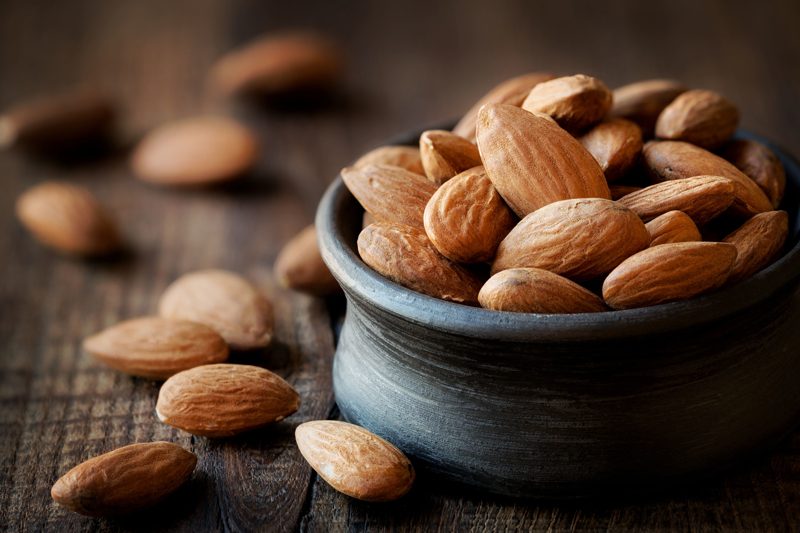
almonds123-800x533

About Recovery
Recovery nutrition encompasses a range of physiological processes that include:

  • Replacing the muscle and liver glycogen (carbohydrate) stores;
  • Replacing fluids and electrolytes lost in sweat;
  • Manufacturing new muscle protein a d cellular components that are part of the repair and adaptation to exercise;
  • Enabling the immune system to face the challenges caused by exercise.


Almonds for Sport
Almonds provide a wide range nutrients that help to keep the body healthy for sports and performance. A single handful per day will help meet your needs. Almonds provide protein, as well as monounsaturated fats, including the antioxidant vitamin E. They also include other important vitamins and minerals such as potassium, magnesium, iron, calcium, phosphorus and vitamin B2.

Refuelling
During the immediate post exercise window (0-30 minutes), athletes should consume a meal consisting of both carbohydrate and protein in a 4-5:1 ratio. This is important as the rate of glycogen synthesis is at its greatest. This is of even greater importance if the next training session or competition in within the 8 hours.

If the session is close to the next meal time this would be a part of the recovery process. Another meal following a similar ratio between carbohydrate and protein should be consumed. The type of food chosen would need to take into consideration the individual athletes daily caloric requirements, gastric comfort and food availability.

Rehydration
A fluid deficit incurred during training or competition has the potential to negatively impact on an athlete’s performance in future training or competition sessions.

To combat this, athletes should aim to consume 125-150% of their estimated fluid losses within the next 4-6 hours after a session. The addition of sodium, along with other electrolytes to a drink or with the post workout meal will reduce further fluid loss, therefore enhancing fluid balance and overall recovery.

Muscle Repair and Building
Both high intensity and endurance exercise cause a substantial breakdown of muscle protein. During the recovery phase there is decreased catabolism and a gradual increase in the anabolic processes of muscle tissue. Early intake of protein during the first hour after exercise promotes the increase of protein synthesis.

The quantity of protein needed to maximise this adaptation to physical activity is 15-25g of high quality protein. With the addition of carbohydrate to this meal, you will aid the body ability to transport the proteins into the muscles.

Immune System
The immune system is taxed by intensive physical activity. This may lead to athletes succumbing to viral infections during or after periods of intense training or competition.

Evidence indicates that the most promising nutritional immune protectors include adequate carbohydrate intake before, during and after high intensity or endurance exercise. Other nutrients that have been identified as immune protectors include Vitamins A, C, D, E, along with glutamine and zinc.

Including Almonds as part of Recovery
Here are some ways that you can use almonds to help you meet the goals of recovery:

  • Salted almonds and fluids enhancing hydration;
  • As part of a snack providing a source of protein to enhance muscle repair and building;
  • As a source of Vitamin E for the immune system.

Here are some examples of almonds being used in recovery meals

Breakfast:

  • Yoghurt with berries and chopped almonds or LSA mix;
  • Diced coconut, almonds, dates and apple.

Lunch:

  • Chicken and almond stir fry with root vegetables;
  • Lean meat, salad and a handful of almonds.

Dinner:

  • Chicken salad sprinkled with roasted almonds;
  • Red chicken, vegetable and almond curry with white rice (or cauliflower rice).

Snacks:

  • Almond bar;
  • Trail mix with dry roasted and salted almonds;
  • Yoghurt with chopped almonds.


The Med Ball Slam

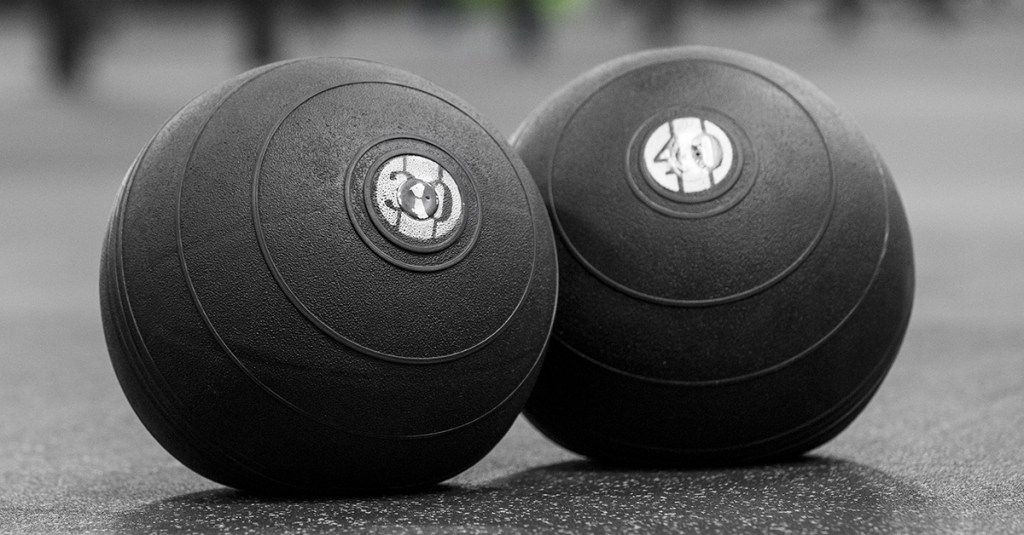
256

Athletic training has evolved greatly over the last hundred years.

Advances in technology and knowledge of the human body have reflected in the fine tuning of training methodologies used by the worlds most elite athletes and trainers alike.

Several exercises however, have remained constant throughout this time. The Med Ball Slam is one such exercise.

Med Ball Slams are an exceedingly simple exercise. Lift the ball high above your head, launch it into the floor beneath you, pick it up, do it again. It looks like child’s play compared to more technical lifts like the Snatch, but beneath its no-frills exterior, Med Ball Slams are building better athletic performance. Thus, the reason Med Ball Slams have persevered for centuries can be summed up in two words…

They work.

How to perform the Med Ball Slam
It is important to make sure you’re using an appropriate weight. This is not always the heaviest weight possible. The Med Ball Slam is an explosive movement.

  • Grab a med ball.
  • Assume an athletic stance and hold the med ball at waist level in front of you.
  • Rise up onto your toes as you bring the med ball overhead.
  • Explosively contract your abdominals and drive your chest down to slam the ball into the ground with as much force as possible.
  • Retrieve the ball as it bounces up and go into your next rep.
  • Your feet should remain in a good athletic stance throughout the exercise.

Image-1


Fasted Training

does-intermittent-fasting-work

Intermittent Fasting can be a valuable tool to improve your overall health and performance. But how do you fit in intense training while fasting?

Firstly, I wouldn’t recommend that most people just too many changes, too fast. Sometimes that can be too much of a shock to the system, which may lead to a decline in health and performance.

If you’re eating a mostly whole food diet you’re already almost there. Some small changes to your eating patterns and slowly extending your fasting period every couple of days will get you out to a pretty decent daily fast in no time at all.

Training in a fasted state
Training should be completed on an empty stomach and/or after the consumption of 10 g BCAA. Technically, the training is not completely fasted – as over time this could become detrimental to health and performance.

The pre-workout amino acid intake has a stimulatory effect on protein synthesis and the metabolism, is a crucial compromise to optimize results. The 8-hour feeding window commences with the first post workout meal.

Example

  • 1130-1200: 10g BCAA;
  • 1200-1300: Workout;
  • 1300: Post workout meal;
  • 1600: Second meal;
  • 2030: Final meal before overnight fast.

The largest meal of the day is consumed post workout, then calories and carbohydrates are reduced as the day progresses.

Barbells

Early morning fasted training
This is a common example as a majority of the early morning athlete will usually train fasted before starting their day. This example shows how you can train early morning and begin the feeding phase at noon or later.

  • 0600-0630: 10g BCAA;
  • 0630-0730: Workout;
  • 0830: 10g BCAA;
  • 1030:10g BCAA;
  • 1200-1300: Post workout meal (largest meal of day);
  • 2000-2030: Final meal before overnight fast.

This is my preferred method as I like to train early in the day. I also have a cup of black coffee with some MCT Oil pre-workout.

One pre-workout meal
A common methodology for athletes wishing to train late afternoon or directly after work.

  • 1200-1300: Pre-workout meal. Approximately 20-25% of daily caloric intake;
  • 1500-1700: Workout during this window;
  • 1700: Post workout meal (largest meal of day);
  • 200-2100: Final meal before overnight fast.

Two pre-workout meals
The standard protocol for athletes who work normal business hours.

  • 1200-1300: First meal to break the fast. Approximately 20-25% of daily caloric intake;
  • 1600-1700: Pre-workout meal. Similar caloric intake to first meal.
  • 1830-2000: Workout during this window;
  • 2000-2100: Post workout meal (largest meal of day).

The take away
No calories should be consumed during the fasting phase. Exceptions to this are black coffee, tea, BCAA and a cup of bone broth.

The fasting window is the perfect time to be productive. Try not to sit around, get bored and think about food.

Once in the feeding phase, meal frequency is fairly irrelevant. Most people prefer three meals out of habit.

The majority of your daily caloric intake should be consumed during the post workout period, with the largest meal being the first meal post workout.

The exception to this is on non-training days where your largest meal should typically be the first meal of the day, with the emphasis being on quality protein intake.

Remember, there is no one size fits all. If your preference is to eat your largest meal in the evening, then do it. Some people like to like to consume their largest meal on rest days later in the day with family or friends. If this helps you to enjoy your food and stick to your eating pattern long-term then it’s a win.

If training fasted, BCAA or an essential amino acid mixture is highly recommended. If you’re not into having a large supplement program, that’s fine. A whey protein concentrate will suffice and can be consumed during the pre-workout window.

Which method is best?
Depending on what your daily routine and training preferences are, a different protocol will be preferable. If your preference is to train early morning then the fasted training option is likely to be best for you.

Conversely, if you work the standard 0900-1700 business hours and your only option is to train in the evenings, then the one or two pre-workout meals pre-workout protocols will work better.

Sprinting for better health and performance

sprint

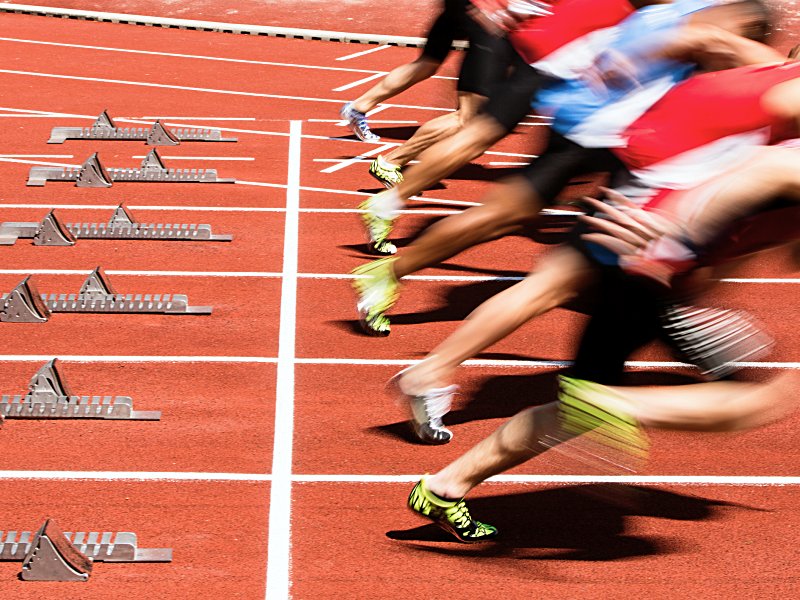
The 100m sprint is one of the most popular and prestigious events in the sport of athletics.

A sprinter has a powerful physique. Body shape, muscle strength, the relative lengths between the legs, heels and toes, as well as a primed nervous system to pull the whole machine together. These are just some of the physiological attributes required to make an elite runner.

Now all of us will not be able to compete for the coveted title of “the fastest man in the world”, but we can definitely use sprint based training to improve our own health and performance.

Sprint training can build lean muscle tissue, burn fat, improve your overall body composition and improve performance across a variety of sports. Sprinting is a physical fitness tool that delivers a return far greater with regards to health and performance benefits than the original effort required.

There are many reasons to conduct sprint training, but unless you’re a competitive athlete or a hardcore fitness addict, you probably aren’t sprinting as often as you should. This is a mistake.

Here are some reasons why you should add a few sprint workout in your physical training programming:

It burns body fat
Weight loss isn’t just about losing a few extra kilograms. It’s about burning excess body fat while maintaining or building lean muscle mass and bone density. Sprinting is excellent at burning body fat without the muscle loss that can be seen in endurance athletes. This study found that a sprint session can increase post-exercise oxidation by up to 75%. This indicates that sprinting can improve body composition by burning body fat.

It’s anabolic (it can build lean muscle and strength)
Sprint workouts can increase testosterone levels in male athletes. In this study from 2012, men and women completed three 30-second maximal effort interval sprints on a stationary bike with a 20 minute rest between each sprint. Muscle biopsies taken from their quads showed markers of protein synthesis (this is how muscle is built).

It may be even better for women than men. The study mentioned earlier showed an increase in protein synthesis of up to 222% in women and 43% for men.

It builds new mitochondria
The basic function of the mitochondria is to extract energy from nutrients and create ATP, the standard energy currency of the body. More mitochondria, more power available to our body and brain, more fuel burned, more energy produced. It’s better to have healthy mitochondria, and scientists are always trying to find ways to preserve or increase their numbers because so many degenerative diseases are caused by malfunctioning mitochondria. Sprinting is one way to make more.

Multiple studies have shown that the type of sprint work doesn’t really matter.

It’s more efficient than endurance training
Generally, sprint training requires less time than endurance training. Sprinting can be just as effective in many ways and completed just a portion of the time. Adding sprints (4-6 sprints, 2 or 3 times per week) to your training can be just as effective as cycling for 40 to 60 minutes at improving insulin sensitivity, arterial elasticity, and muscular density.

It works for elderly people
Even the elderly can benefit from sprint workouts. They might be slower than a younger athletes. Sprinting ability to build and maintain lean muscle tissue may help prevent muscle loss associated with ageing.

It can improve insulin sensitivity
Sprint training can improve insulin sensitivity, improves hyperglycemia in type 2 diabetics, and lowers post meal glucose response in diabetics. If you’re pre-diabetic or already suffering from the condition, sprinting will help.

There are many variations
Sprinting can be completed in a variety of ways. It’s not just the standard 100m sprint on the athletics track. Even though an effective workout, there are many ways to vary your sprint training. You can get on the bike, run some hill sprints, get on the rower or even push a sled. The variations can be endless.

One session, every 7 to 10 days may be enough for some people to notice some of the benefits listed above.