The Goblet Squat

Created by strength coach Dan John and named after the position in which the weight is held, the goblet squat is one of the simplest ways to learn and reinforce the basic squatting movement pattern.

It can be used as a mobility trainer, a warmup activity or as part of your workout proper. The goblet squat is so versatile that it might be the only squat you need in your workout.

The set up & execution
Similar to setting up for the kettlebell sumo deadlift, the athlete should take a comfortable stance, with feet slightly turned out.

With a dumbbell, holding it vertically by one end. Hug it tight against your chest. If you’re using a kettlebell, hold it by the horns. A medicine ball can also be used.

With your elbows pointing down and head facing forward, lower the body down and back into a squat, keeping the chest upright at all times (making sure not to fall forward or have excessive rounding the back).

Allow the elbows to brush past the insides of your knees as you descend. It’s okay to push your knees out. If your heels come off the ground at any stage, your stance is likely too narrow.

Finally, if mobility isn’t that great, squatting to the point where your elbows touch your knees if fine. In time, mobility and depth will increase.

Now, return to the standing position with a full hip extension (standing tall).

Pretty simple.

As mentioned earlier, the goblet squat is a great tool for teaching the squat in general and can be used as a mobility trainer. There isn’t a real requirement to go heavy, as higher volume sets with lighter loads will work very well.

4B3FC423-0389-4619-8182-B66ADED565DB


Taking the time to master the basics
Something that has been instilled in me throughout my military career is to be “brilliant at the basics”. A great lesson that can be applied to almost all aspects of life.

The mistake most people make is that they try to move too quickly into complex movement patterns before they have mastered proper form first. Often sacrificing technique for time or load.

If you really want to optimise your overall athletic performance, take the time to master the simple patterns first, like the goblet squat. You can alway add complexity to your programming later.

The simple movements patterns can also make the some of the most demanding and challenging workouts.

My training at 37-ish

Goals
Fitter. Faster. Stronger. Wiser.
With continued learning and adaptation. Always tinkering.

Context: 37-year-old. 180cm. 75kg. Soldier. Student.

Basically, I want live well into old age, being able to contribute to society and avoid chronic disease (for as long as possible).

How do we do this?

As a start point, using the basic human evolutionary blueprint and applying it to the modern environment, I have found that for me, it has allowed me to look, feel and perform to a pretty good standard without too much compromise.

Simply put, try to keep my metabolism as healthy as possible (by eating whole foods), keep enough muscle mass and remain as mobile (by being active) as I can so that I can actually get around and do everything I want to do for as long as possible… and hopefully help a few people out along the way.

Once again, the caveat is that this is what has worked for me so far…

Food
For those who don’t know me, I have been following Paleo type nutrition for nearly seven years now. For the most part it’s just eating whole foods as often as possible, and cutting out highly processed vegetable oils and sugars as much as practicable.

I rarely count calories and eat when I’m hungry. On occasion, I’ll track using a smartphone application to get a ballpark estimate of how balanced my food intake is. Generally, I’d say my macronutrient breakdown would be roughly:

  • 50-60% fat;
  • 20-25% protein;
  • 15-20% carbohydrate.

Is that keto? Technically, no. It would be pretty close and there would definitely be times through out the year that I would naturally cycle into ketosis.

I normally train in a fasted state, or after a cup of black coffee with some MCT oil and collagen.

My basic plate is a piece of animal protein with a bunch of vegetables and/or salad topped off with some butter or olive oil and sea salt. I eat plenty of eggs and I enjoy full-fat cheeses and dark chocolate (85% min). Mineral water, black coffee and red wine, specifically pinot noir are my drinks of choice.

Mostly I’m eating two meals per day, usually after I have trained. Most of my calories would usually be consumed in the final meal of the day. Mostly because I have more time available in the evening to prepare larger meals.

Another reason would be that I’m more likely to be sharing a meal after work with friends or family and sometimes it’s just easier. Being flexible and understanding the process is key here. There’s nothing worse than being “that guy or girl” who doesn’t eat at a group meal because it’s five minutes into a proposed fasting window.

Finally, when you’re a person who is generally a eating low-carbohydrate diet, getting all of your carbohydrates in the evening can replenish glycogen stores (energy stored in the muscles), and the elevated insulin response helps produce more tryptophan, which allows the process of converting serotonin into melatonin, leading to a more restful sleep.

On occasion, I will eat a third meal, typically if I’m doing a bit more physically at work, if I’m planning an evening workout or if I’m hungry. Super simple.

Intermittent fasting and time-restricted feeding. There is a difference. As mentioned earlier, I mostly eat two meals per day. One meal post workout and one at the end of the day. This is called time-restricted feeding. All foods are consumed within a window of time, for example between 12pm and 8pm.

Intermittent fasting is exactly that. Intermittent, meaning occasional. I am metabolically flexible, meaning that I am well adapted to using fats or ketones as an energy source, allowing me to go longer periods of time without feeling hungry or craving food. Occasionally on a low tempo day, I would dabble in a longer fast of up to 24-32 hours. This wasn’t very regular, maybe once every 8 to 10 weeks.

Most weeks I eat out with my team mates on a Friday morning at a local cafe, and with friends one night which would usually lead me to the local Vietnamese Pho restaurant.

Supplements
I generally don’t take a lot of supplements on a daily basis. I really try to get everything through whole food nutrition. My pre-workout is usually just a cup of black coffee and I randomly use a whey protein powder post workout. Outside of that, it’s only occasional cycles of fish oil, cod liver oil and magnesium.

Magnesium. This is probably one of the most important supplements for me. Mostly taken post workout or in the evenings prior to sleep. Magnesium is vitally important to over 300 biological functions in the body and these days it’s not that easy to get enough from diet alone. Add in some intense training or workloads, and your requirement increases.

During the winter months I spend a bit more time indoors and get a little less sun exposure, so I add about a 10ml of Nordic Naturals Cod Liver Oil every other day. The Cod Liver Oil is a good source of DHA along with Vitamins A and D, which have a variety of health related benefits.

Training
Strength and conditioning. The last 12 months I’ve focused on compound movements for general strength and conditioning such as deadlifts, power cleans and overhead presses. The break down of sets has varied, with a focus of no more than 10-15 working repetitions per movement.

Heavy Turkish getups (up to 50kg), farmers carries and high volume kettlebell swings have also featured consistently in my programming.

These three exercises are so good for you that you could almost base your entire strength and conditioning program around them and constantly see improvements throughout the year.

More recently, I have broken down my workouts into the following workout template:

  • Vertical press/pull, hinge and loaded carry;
  • Horizontal press/pull, hinge and loaded carry.

Really simple. But I’m finding that keeping it simple is working well for me. I can also finish most workouts in about 30 or 40 minutes.

I’m not setting any world records with my weight training but I’m fairly strong and athletic for a nearly 40 year old, 75kg guy. I’m rarely injured and generally have the energy to perform every day. Oh, I can also run reasonably quick.

Running. It’s been mostly interval work and 5km racing. Occasionally, I’ll run a longer distance out to about 8km, but the days of longer endurance distance running are in the past. For me, its too taxing on the body, and just takes up too much of my time. My preference lately has been to run 50m to 400m intervals and every now and then I just get out and run around for 20 or 30 minutes.

I’ve enjoyed running some of the major running events throughout the year. Firstly, it’s nice to have short term training goals, but I believe that it can give you a pretty good snapshot of how you compare physically (at least when it comes to running) across society in general.

In the last twelve months I have competed in the following events:

  • Mothers Day Classic, 4k (17:43min)
  • Run Melbourne, 5.2k (23:09min)
  • YMCA Fathers Day Run, 5k (23:37min)
  • Melbourne Marathon, 5k (24:14min)
  • Portsea Twilight, 4k (17:43min)
  • Sole Motive Sunset Series Zoo Run, 5k (22:47min)
  • Sole Motive Sunset Series The Tan, 4k (17:20min)
  • Run for the Kids, 5.2k (23:48min)

I also competed in two virtual races with the New York Road Runners (NYRR), where you track a run locally and upload it to a global leaderboard.

  • NYRR Valentines Day Virtual, 5k (23:02min)
  • NYRR NYC Half Virtual, 5k (22:25min)

IMG_6816

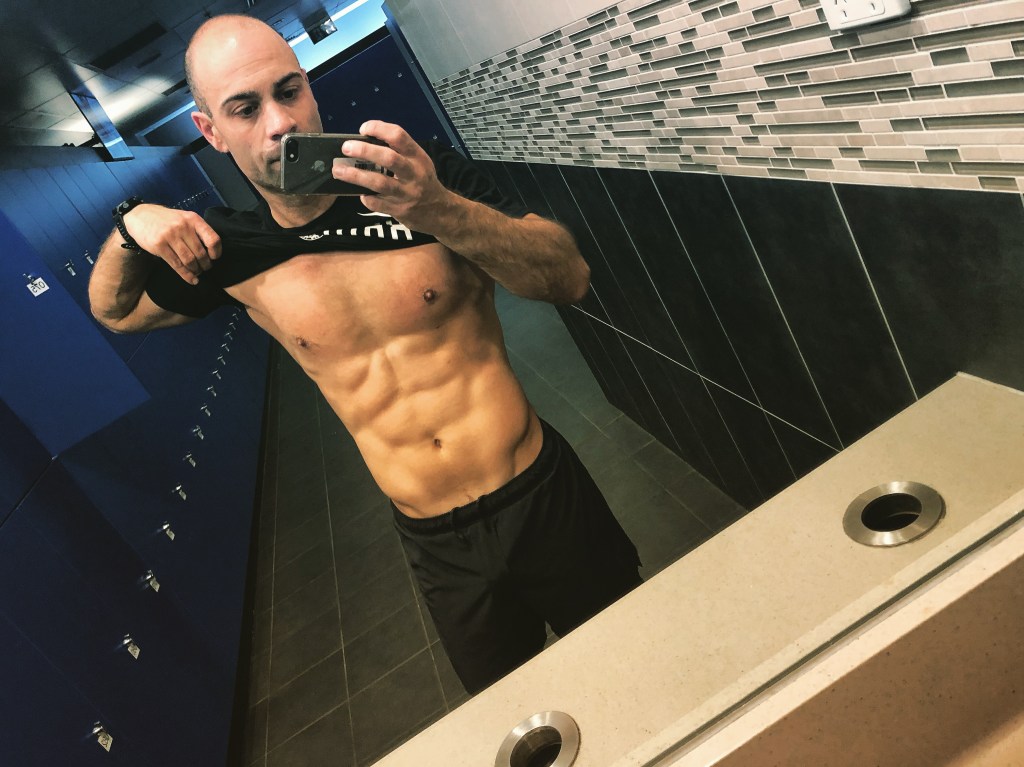
Right now my training consists of three days of strength and conditioning combined with two or three days of running (mostly easy/mid level efforts and some sprint work). Each workout lasts about 30 or 40 minutes. This gives me a total of about three to four hours of dedicated training per week which allows me to have more free time to enjoy some of the other things in life, such as coffee and hanging out with friends and family.
C34DB440-287B-4E45-ABBB-7D54AA7E161E

Lifestyle
Living in Melbourne, Australia. This is home. Most likely for another 2 years. Being around family and friends definitely makes life a little easier. The importance of good social connections is often overlooked when it comes to optimising ones health and performance.

A key point to note here is flexibility. No-one is perfect and you’re aloud to make mistakes. Everyone is human, and we all have to live in the present day. I love a cup of coffee and can be always found at cafe on the weekend post workout catching up with friends. I have my nights out which will almost always end up at a local wine bar.

Sleep. This is really important if you want to be at your best. I’ve tried really hard to get as close to 8 hours a night of solid sleep. Having a cool and dark place to sleep is a good start, combined with a fairly standard daily wake time (ie: fairly close to sunrise) will set you up for success. There is whole post here to flesh out this topic alone.

Sleep quality will impact your energy levels, blood pressure, insulin sensitivity, body composition, overall immunity, heart disease risk. The list goes on… It’s the closest thing to the mythical “magic bullet” for health and performance.

This year will be my 16th as a soldier. Almost a lifetime. Whilst I don’t do too much soldiering these days due to my current role and position, I think it’s still important to keep those skills refined.

While it isn’t soldiering, I do like hiking and camping. Being outdoors is a pretty good escape. I try to get out every now and then for an overnight hike with friends, just to take some time out from the plethora of electronic devices and social media platforms that seem to take up so much of our lives today.

I was lucky enough to get away in January for a 3 week vacation to New York City. This was my fifth visit and it never ceases to amaze. I did a bit of sight seeing, revisiting some favourites, saw a show on Broadway, got to an NBA game and got to see my team win. Had the opportunity to meet new people and catch up with some old friends. I also drank a fair bit of coffee during the day and hot apple cider in the evenings.

Later this month I’m heading to the South Island of New Zealand for 10 days. I’ve never been and it’s something I’ve been looking forward to for sometime. I’m hoping to get a glimpse of the Southern Lights and maybe a bit of alpine hiking.

My parents have a holiday house on the Mornington Peninsula which I try to get away to every couple of months for a weekend. I’ve been going there my whole life and there is just something about coastal communities that is just relaxing.

My studies. This year I will complete a Diploma level qualification as part of a Bachelor of Nutrition. Doing this via correspondence which has it’s own unique set of challenges but overall I am enjoying it.

I don’t know what the next 12 months will bring, but I’m going to keep on tinkering and fine-tune ways to optimise health and performance as I move forward into the future.

Caffeine and athletic performance

GettyImages-5595393451-58e6d9135f9b58ef7e217e43

Having a cup of coffee first thing in the morning or to push through the mid-afternoon slump is a pretty standard thing for most people. Caffeine is a stimulant. It will give you a bit of buzz.

It makes sense that using caffeine to supercharge athletic performance.

What is Caffeine
Caffeine is a naturally occurring stimulant found in leaves, nuts and seeds of numerous plants. Its widespread social acceptance means that many athletes consume caffeine regularly over the day in varying amounts from coffee, tea, cola, energy drinks and, increasingly, from pre-workout supplements or caffeinated sports products.

Caffeine-containing beverages typically contain between 30-120mg of caffeine but this varies widely between products and brands.

Caffeine is becoming increasingly popular in sport to help improve performance and various caffeinated supplements and sports products are now being marketed to and consumed exclusively by athletes.

Caffeine and performance
The main performance benefits of caffeine appear to come from its influence on the central nervous system and resulting reduced perception of effort (exercise feels easier) and/or reduced perception of fatigue. 

Some other ways that caffeine can help improve mental and physical performance are as follows:

  • Caffeine can increase the body’s ability to burn fat via lipolysis, or the breakdown of stored fatty acids within the fat cells;
  • Caffeine has been shown to increase thermogenesis, or heat production, which helps you burn more calories;
  • Caffeine can raise endorphins, which increase feelings of happiness, giving you the exercise “buzz” that people often experience after working out;
  • Caffeine may also spare glycogen stores (carbohydrate stored within the muscles), primarily due to increased fat burning. This can enhance endurance performance.

Endurace exercise
Most of exercise/caffeine research is based on endurance training and performance. Historically, the most often cited benefit to consuming caffeine before a race or training activity was that it would increase the oxidation of fat, thus sparing muscle glycogen for when you really needed it, such as the final sprint to the finish line.

Maybe the caffeine simply makes exercise more tolerable, makes muscles work harder and better, and allows those exercising to do so harder, and for longer. Caffeine generally will give you a bit of a buzz. When taken prior to a workout, this “buzz” equates to an increased endorphin response to exercise.

So, if endorphins are high, exercise is more tolerable, even enjoyable.

The bottom line is that caffeine seems to boost athletic performance in endurance events, maybe through enhancing energy partitioning or an increase exercise induced endorphin response, make the activity more enjoyable.

Strength exercise
The effects of caffeine in sport aren’t limited to improving endurance. Research also indicates the benefits of caffeine in strength performance.

Whilst the results of studies are varied, they generally suggest that supplementation may help trained strength and power athletes.

This meta analysis, comparing 27 studies found that caffeine may improve leg muscle power by up to 7%, but had little effect on smaller muscle groups

Caffeine may also improve muscular endurance, including the amount of repetitions performed at a certain weight.

To summarise, most research indicates that caffeine may provide the most benefits for power-based activities that use large muscle groups, repetitions or circuits.

How to use caffeine for performance
Although early research was conducted using high doses of caffeine (6+ mg caffeine / kg body weight), more recent research indicates that lower doses can provide similar performance benefits with less negative side effects.

Individual responses to caffeine vary but typically doses in the range 1-3 mg caffeine per kg body weight are sufficient to improve performance (e.g. 70-210mg for a 70kg athlete).

Some experimenting may need to be done to determine the most beneficial timing protocol, which may include taking caffeine:

  • Pre-competition or exercise;
  • During competition or exercise;
  • A combination of both.

Potential side effects
High levels of caffeine intake can cause declines in performance through:

  • Increased heart rate;
  • Impaired fine motor control;
  • Anxiety and over-arousal;
  • Sleep disturbances;
  • Gastrointestinal upset.

Like any other supplement, it is important to trial smaller doses first in training activities prior to race day to assess individual tolerance and responses.

In Summary
The incorporation of caffeine into an athlete’s nutrition plan should be considered on an individual basis.

Caffeine is one of the most effective exercise performance supplements available. It is also very cheap and relatively safe to use.

Many studies have shown that caffeine can benefit endurance performance, high-intensity exercise and power sports.

The recommended dose varies by body weight, but is typically about 200–400 mg, taken 30–60 minutes before a workout.

How to get more fat in your diet

a heart shaped butter pat melting on a non-stick surface

Most foods that we eat today have some amount of fat content. 

Fat is an amazing flavour enhancer. It makes everything taste better.

Many people are starting to accept that fat is not all bad and have started to make the shift into lower carbohydrate diets. The thing is, when you lower your carbohydrate intake, you will need to increase one of the other macro-nutrients, protein or fat.

From a nutritional perspective, humans have evolved eating mostly protein and fats. In fact, it was the shift into eating more fatty tissue and organ meats that made cognitive revolution occur. This is also known as the development of the human brain.

More recent times have led to the vilification of dietary fats, however it’s not all bad. Additional to providing flavour, dietary fat from whole food sources provides the necessary intake of valuable fat-soluble vitamins A, D, E & K.

More and more research is proving that the real enemy is excessive carbohydrate and processed “food” consumption, combined with an overstressed, sedentary lifestyle, that is causing the explosions in obesity and chronic “diseases of lifestyle” that are so common in present day populations.

Here is a bunch of ways to get more fat into your diet:

Use whole, full-fat ingredients
It’s time to remove all of the low-fat or lite food products from the pantry and refrigerator.

Look for full-fat dairy products. Milk (if tolerant), butter, cream, yoghurt and cheeses. Add in avocados and some pastured eggs. Try to add natural fats rather than avoid them entirely.

Fatty cuts of meat can be more flavourful, and are often cheaper than leaner cuts. Wild salmon and sardines contain high amounts of important omega-3 fats and make valuable additions to the dinner plate.

Cook with fats
Cook your vegetables, meats, fish and eggs in natural fats like butter, ghee or coconut oil.

Use a variety of natural fats for flavour
Different fats can provide different flavours to your food. This will create variety to your meals without too much complication.

Try experimenting with these fats and oils:

  • Butter and ghee;
  • Lard, tallow, duck fat, or any other animal fat;
  • Coconut oil;
  • Olive oil;
  • Macadamia nut oil;
  • Avocado oil.

Top your dishes with butter or oils
A drizzle of oil. A dollop of sour cream. Melt some butter. You can top off almost any dish with some health promoting fats.

Garnish with high fat foods
Avocado. Cheese. Olives. Nuts and seeds. All of these high fat foods are packed with nutrients and important fat-soluble vitamins, so add these to your meals when available.

Eat more cheese
Cheese is a simple addition to any meal. It can even work as an appetizer. It goes with just about anything and can be eaten at anytime of the day. Packed with both protein and fat it makes a perfect addition to any meal or gathering.

If you are sensitive to dairy products, you may be able to tolerate hard cheeses such as Parmesan, Cheddar and Gouda as they have generally low amounts of lactose that most people will be able to manage small to moderate amounts.

Cheese is often served as dessert in my house.

Blend fats into your coffee or tea
Adding coconut or MCT oil to your morning coffee or tea is quick and easy. Full-fat cream works just as well and will give you that milky flavour with very little lactose content.

The combination of caffeine and MCT’s will provide you with some mental clarity, make you feel more alert and focused, as well as reduce the typical caffeine crash.

It will prime the body to shift from glucose to fat as a fuel source which will also keep your appetite suppressed for longer.

Why you should be eating Eggs

main_image_eggs_for_skin_and_hair_1502707688_760x568

Eggs are a versatile and highly nutritious food, though their precise nutritional content can vary greatly depending on how the chickens that produced them lived and what they  were fed. For example, chickens that have been able to feed on open pastures often have higher levels of important Omega-3 fatty acids and vitamin D.

Once considered a nutritional no-no due to dietary cholesterol, eggs have now been exonerated and have found their way to superfood status.

Why it’s a superfood?

  • A complete protein source;
  • High in vitamin B12, riboflavin, choline, phosphorus and selenium;
  • Good source of vitamin B6, folate, pantothenic acid and iron;
  • Good source of Omega-3 fatty acids EPA and DHA (in pastured eggs);
  • One only a few foods that naturally contain vitamin D.

Healthy evidence
This review article published in 2009 discussed the health benefits of choline, a compound that was only added to the list of recommended nutrients in 1998. The authors noted that eggs are one of the best sources of choline, which is vital in numerous metabolic functions.

For example, choline may help prevent atherosclerosis, neurological disorders and liver disease.

It has also been shown to help reduce the effects of short-term alcohol misuse, also known as a hangover. Choline is so important for alcohol metabolism that it can even protect fetuses against maternal alcohol ingestion (not that you should be consuming alcohol whilst pregnant).

Composition of an Egg
The composition of an egg is usually defined in two parts. The egg white and the yolk. The white is approximately 87% and 13% protein, and contains both vitamins and minerals.

The yolk is approximately 50% water, 33% fat and 17% protein. Similar to the egg white, it also contains both vitamins and minerals.

The nutrients available in an egg are distributed fairly evenly between the egg white and the yolk. This distribution of nutrients is a common characteristic of whole, natural foods and it is one of the main reasons why you should consume the entire egg.

How to choose your eggs
As stated above, the nutrient quality of an egg will depend largely on what living conditions and food available to the chickens that produced the eggs.

Just like all other animals, chickens that are able to express normal behavioural patterns, both socially and physically and are able to eat an optimal diet natural to the species will produce a higher quality egg.

Pastured eggs
Chickens roam freely outdoors, usually alongside cattle or llamas for protection and paddock sustainability. Constant access to sunlight, grass, seeds and bugs, which in turn leads to an excellent nutrient profile. The Gold Standard.

Free range eggs
Are produced by chickens that “may” be permitted outdoors, and have reasonable access to sunlight, grass and bugs resulting in a good nutrient profile.

The term “free range” may be used differently depending on the country and independent laws. In Australia, this means 10,000 hens per hectare in outdoor grazing areas where suitable.

Cage free eggs
Chickens that live indoors in large areas with some sun exposure and are often grain fed. However, the high stocking densities greatly restricts the chickens ability to move freely and conduct normal behavioural patterns, resulting in a lower nutrient profile.

Cage eggs
Chickens live en mass in what is known as battery cages with little to zero room to move about and conduct normal behavioural patterns causing massive amounts of stress. Nil outdoor access and commonly fed a grain based diet, resulting in the poorest nutrient profile.

The bottom line
Eggs are a nutrient dense, highly bio-available whole food. They’re relatively cheap, easy to prepare and can be combined with almost any other food.

Eat them often. Several studies have shown that eating three eggs per day is perfectly healthy. Is there an upper limit? There is no evidence to suggest that eating more is harmful to your health. It just hasn’t been studied enough.

In general, eggs are one of the healthiest and most nutritious foods you can eat. They are one of nature’s most complete foods.

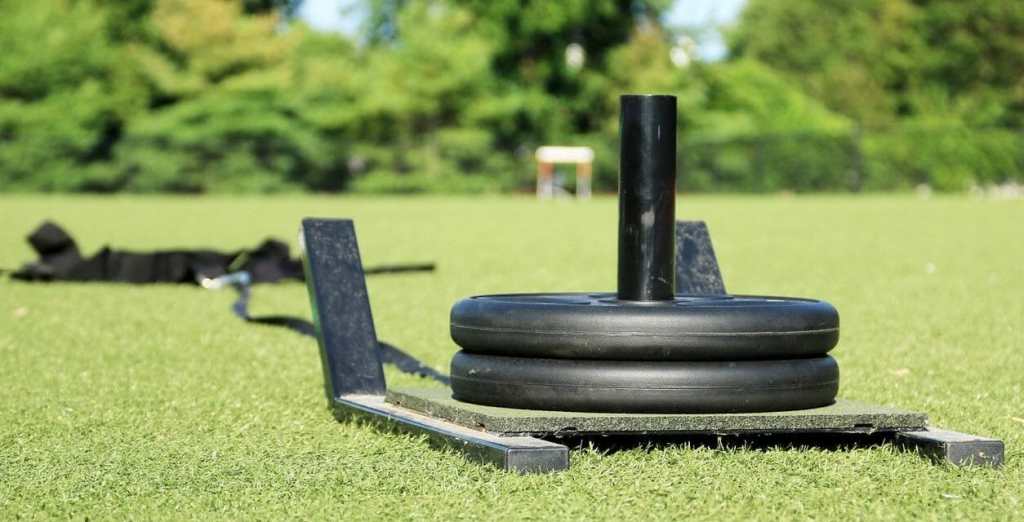
The benefits of sled training

sled-1254x640

Do you want to get leaner, build some muscle and improve overall physical conditioning? Try adding some sled training to your workouts.

Sled training is a highly effective and fun (sometimes) training modality that can be used in a variety of ways to improve general conditioning and non-specific athletic performance.

Here are some of the benefits of sled training.

Improved GPP
General Physical Preparedness (GPP), is the non-specific ability to be physically fit. Can you lift weight off the ground, push it overhead or carry it for distance? All of these things are GPP.

Improved body composition
Sled training is hard work. It’s also an awesome tool to build lean muscle mass and increase fat loss. There are many variations that can boost your metabolic rate and increase muscle mass. As you will be using you entire body as a machine, it can develop muscular density and hypertrophy, whilst also increasing fat loss.

Develops functional strength and acceleration
Sled training uses just about every muscle in the body whilst conducting real world movement patterns. It has to work as a complete machine in order to generate the force required to move the sled the required distances, developing overall strength and conditioning in the process.

Acceleration is a critical element in almost any sport, athletes are always working on developing their acceleration. Sled training can be programmed as a form of sprint conditioning, by forcing the body to move with speed against a controlled resistance, thus improving overall speed and power.

It’s simple, but hard work
Sled workouts are easy to program. Just load the weight and push, pull or drag. It will be hard work. It will elevate your heart rate to near max, it will leave you gasping for air and fatigue your entire body. It will make you better overall and generally harder to kill. Hard work pays off.

A lot of gyms are starting to add weighted sleds into their functional training areas, so if your gym has one, try giving it a shot for a few weeks. If your gym doesn’t have a sled or functional training area, then you should consider changing gyms.

The addition of sled training alone will make the move worth it.

What is GPP?

how-to-do-a-burpee-benefits

Work capacity refers to the general ability of the body as a machine to produce work of varied intensity and duration using the appropriate energy systems of the body.

Everybody can benefit from an increased work capacity. Improved work capacity will allow you to perform better at higher intensities, whilst quickly recovering between workouts (or rounds). Basically, it will allow to perform better, for longer and more frequently.

Closely related to work capacity is General Physical Preparedness (GPP). GPP can be best described as a series of conditioning exercises designed to enhance the your general, non-specific work capacity.

GPP training develops a solid, well-rounded fitness base. It will enhance the athlete’s physical qualities that would otherwise be most likely underdeveloped through sports specific training alone.

When to conduct GPP training
As described earlier, GPP will enhance your general, non-specific work capacity. There are certain training periods where GPP can be extremely beneficial to an athlete. Here is a short, but not exhaustive list:

  • Pre-season training;
  • Post-injury;
  • Warm-up and recovery workouts.

Even if you don’t consider yourself an athlete, you can still benefit from GPP training throughout the year. Many people tend to take an extended break over the holiday season and entering the gym in the new year can sometimes be a daunting task. This would be the perfect time to add some GPP training to quickly condition the body for the training year ahead.

At a minimum, it will give you some variety to the standard bench press, squat and deadlift based workouts.

Some of the benefits of GPP training include:

  • Anaerobic endurance;
  • Aerobic endurance;
  • Strength;
  • Flexibility;
  • Coordination;
  • Mental toughness;
  • Overall body composition;
  • Recovery time between workouts.

Another critical benefit of GPP training that is often overlooked in any physical training program is that is can strengthen the ligaments and tendons. GPP will prepare the ligaments and tendons for the more intense training or competition that will follow.

Ligaments and tendons develop at a much slower rate than muscular strength. Many coaches often prescribe complex and explosive training techniques to athletes who are not physically prepared to execute properly.

For this reason, it is important to include some volume work, such as bodyweight GPP circuits to strengthen the ligaments and tendons.

If done correctly, GPP is nothing short of gut wrenching. It is however, highly effective. Workouts can be simple and brief, and can be performed with or without any equipment. As you begin to push through these workouts, you will develop the ability to fight through fatigue and perform at a higher level for an extended period of time.

As an athlete, whether professional or an amateur, it doesn’t matter how skilled you are. Everybody fatigues. It is at this point the body is most vulnerable. A reduction in performance or even injury can result. GPP training will develop the mental and physical capacity required to work through these periods of fatigue.

All athletes must ask themselves the following questions. Can you outwork your opponent? Will you be able to keep up during the final minutes or have the mental toughness to summon a final effort to push through to the finish line? If You have done your GPP work, you will be able to answer these questions confidently.

It is ok to lose, however losing due to poor physical conditioning is not.

Which exercises are best
Bodyweight exercises such as the burpee and jumping jacks are excellent choices, however, the variations are endless. Sleds, medicine balls and kettlebells can also make valuable additions to any GPP program.

Here are several of my favourite GPP workouts:

GPP #1

  • Burpees x 30 sec
  • Jumping Jacks x 30 sec
  • High Knee Alternating Dumbbell Press x 30 sec
  • Medicine Ball Slams x 30 sec

Repeat the circuit 5 times without rest for a total of 10 minutes work.

GPP #2

  • Sled Push x 50 m
  • Kettlebell Farmers Walk x 50 m
  • Jumping Jacks x 20

Complete as many circuits as possible in 20 minutes.

GPP #3

  • Kettlebell Swings x 20
  • Jumping Jacks x 10
  • Kettlebell Swings x 20
  • Burpees x 10
  • Kettlebell Swings x 20
  • Mountain Climbers x 10 (each leg)

Complete as many circuits as possible in 15 minutes.

GPP #4

  • Jump Rope (100 turns)
  • Burpees x 10
  • Push-ups 10
  • Air Squats x 10

Repeat circuit for 10 rounds as quickly as possible.

GPP #5

  • Burpees x 30 sec
  • Jumping Jacks x 30 sec

Repeat circuit for the time as listed below without rest. That is one round.

Beginner

  • Complete 4 x 2 minute rounds with 1 minute rest between rounds.

Intermediate

  • Complete 6 x 2 minute rounds with 1 minute rest between rounds; or
  • Complete 4 x 3 minute rounds with 1 minute rest between rounds.

Advanced

  • Complete 6 x 3 minute rounds with 1 minute rest between rounds.

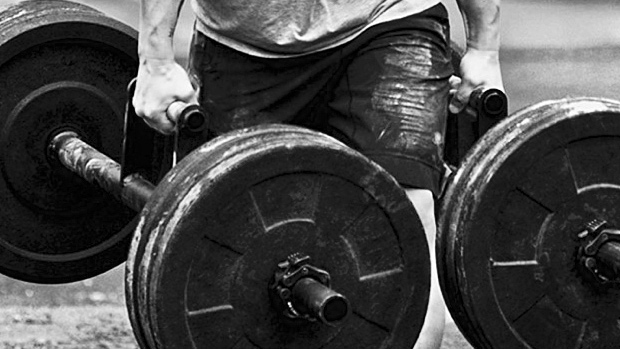
Five… or seven basic human movement patterns

Farmers-Walk

Commonly, when you talk to somebody in the gym about programming or training they will always tell you how much they can bench or sometimes how often they squat.

A lot of people will tend to talk about the pushing or squatting movements. Sometimes they might say they do a few pull-ups here and there. The major focus is on the musculature that they can see. This not optimal for anybody, from the elite athlete to the occasional weekend warrior.

There are five basic human movement patterns.

You will always hear about the push, the pull, and the squat. Occasionally, you will hear about the hinge. The final basic movement is the loaded carry.

Some examples of the five basic movement patterns:

Push
Push-up, bench press, overhead press and dips.

Pull
Pull-up, cleans, rows and pull-downs.

Squat
Goblet squat, back squat, lunge and leg press.

Hinge
Deadlift and the kettlebell swing.

Loaded Carry
Farmers walk, suitcase walk, waiters walk, rack walks.

The five movement patterns in order of popularity:

  1. Push;
  2. Pull;
  3. Squat;
  4. Hinge;
  5. Loaded Carry.

Now, if you were place these movements in order of how they could impact you almost overnight, the order would look more like this:

  1. Loaded Carry;
  2. Squat;
  3. Hinge;
  4. Pull;
  5. Push.

Further to these movement patterns, you could add the following:

  1. Rotation;
  2. Counter-rotation.

This is basically creating, or eliminating force through the torso whilst the hips and/or shoulders move. It also helps the body stabilise the spine in the event of external forces being applied to the body.

Examples of these additional movements include:

Rotation
Russian twist, medicine ball rotational throw and sledgehammer swings.

Counter-rotation
Single-arm suitcase carry, single-arm swings, renegade rows and unilateral loaded deadlifts.

Programming workouts
When programming, just adding some form of loaded carry to you strength training can make huge impacts in just three or four weeks! Even if it is something simple like the farmers walk. I four weeks, you will be better. Your body will have improved posture and overall muscle density, which will transition across all of the other lifts.

A simple way to program is to choose an exercise from each of these basic movements and create a total body workout. Alternatively, you could combine two movements, such as a push / pull combination and squat / hinge combination and add the loaded carry to each workout.

Rotation and counter rotation exercises can be added to any workout for a more complete workout.

Training programs don’t need to be complex to work. Most of the time, the simple stuff works.

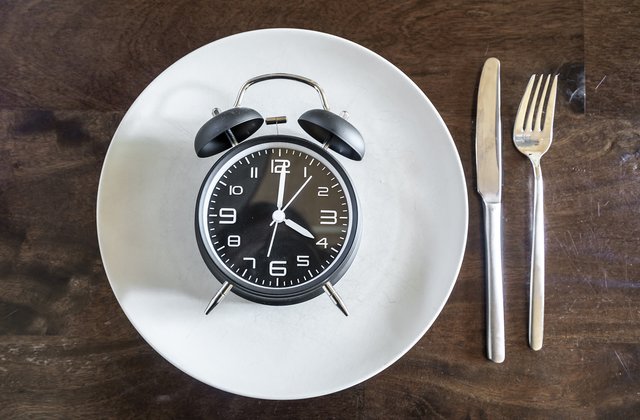
Tips for intermittent fasting

85

People have chosen to fast intermittently for thousands of years. All historic societies have practiced fasting, either by choice or out of necessity.

Many of the benefits of fasting were known in ancient societies. Fasting periods were often called “cleanses or purifications”. The goal was always the same. To abstain from food for a prolonged period of time for health reasons. People often believed that this period of abstinence would cleanse the body or toxins and rejuvenate their bodies.

More recently however, with the advent of agriculture an industrialisation, food has become so readily available the society has basically forgotten all about fasting. Today people have a dependence on processed carbohydrates and sugars, which has contributed to the obesity and type-2 diabetes epidemics we see today.

Fasting can potentially deliver huge benefits such as, weight loss, increased energy and physical performance and even the reversal of type-2 diabetes.

Here are some tips for conducting fasts:

  • Drink water;
  • Drink black coffee and tea;
  • Keep yourself occupied;
  • Give yourself a month to assess if intermittent fasting is good for you;
  • Follow a low-carbohydrate diet in-between fasting periods. This will reduce hunger and makes fasting easier.
  • Don’t binge eat when breaking the fast. Ease back into eating with whole foods.

Remember, fasting isn’t for everybody. There is no real point in continuing an extended fast if you’re miserable. When starting out, it’s probably best to first condition your body to eating a lower carbohydrate, whole food diet. This will reduce the body’s dependence on glucose or sugars as an energy source.

Then begin to extend the duration between meals over time, before attempting a longer fasting periods.


Why you should be eating Garlic


aHR0cDovL3d3dy5saXZlc2NpZW5jZS5jb20vaW1hZ2VzL2kvMDAwLzEwMC84MDMvb3JpZ2luYWwvR2FybGljLXNodXR0ZXJzdG9jay5qcGc=

Garlic is native to the Mediterranean and Syria, although it is Central Asia where it is grows most abundantly today. Writings from Babylonia, China and India have indicated that garlic was well-known as a superfood in ancient times.

It has always been known as a medicinal plant. Ancient Greeks and Romans believed that it conferred protection and strength, and throughout the Middle Ages it was widely used as a medicine in Europe and Asia.

Throughout history, garlic has also been surrounded by many superstitions, most likely due to its odiferous nature. It is best known for the protection against vampires, and many years prior to that belief, midwives in ancient Greece would string garlic around the necks of newborns for protection against evil spirits.

Why it’s a superfood?

  • High in manganese;
  • Good source of vitamins B6 and C;
  • Contains numerous phytochemicals.

Healthy evidence
Garlic contains several important phytochemicals, including thiosulfinate allicin, and S-allycysteine, which act as antioxidants and have other functions that help fight disease.

This 2001 study found that daily garlic supplementation reduced the number of colds by approximately 65% when compared to placebo. The average length of the cold symptoms was also reduced by 70%, from five days in the placebo group to just one and a half in the garlic group.

Several studies have also found that garlic supplementation can have a significant impact in reducing blood pressure in people suffering from high blood pressure.

This study found that between 600 mg and 1,500 mg of aged garlic extract was just as effective as the drug Atenolol at reducing blood pressure over a six month period.

The amount required to achieve the desired benefits are equivalent to about four or five cloves of garlic per day.

Making the most of Garlic
The key to making the most of garlic is consistently and variety. Use it often, in a variety of dishes to receive all of the benefits. When roasting, cut cloves into slices to release the phytochemicals.