
The benefits of sled training

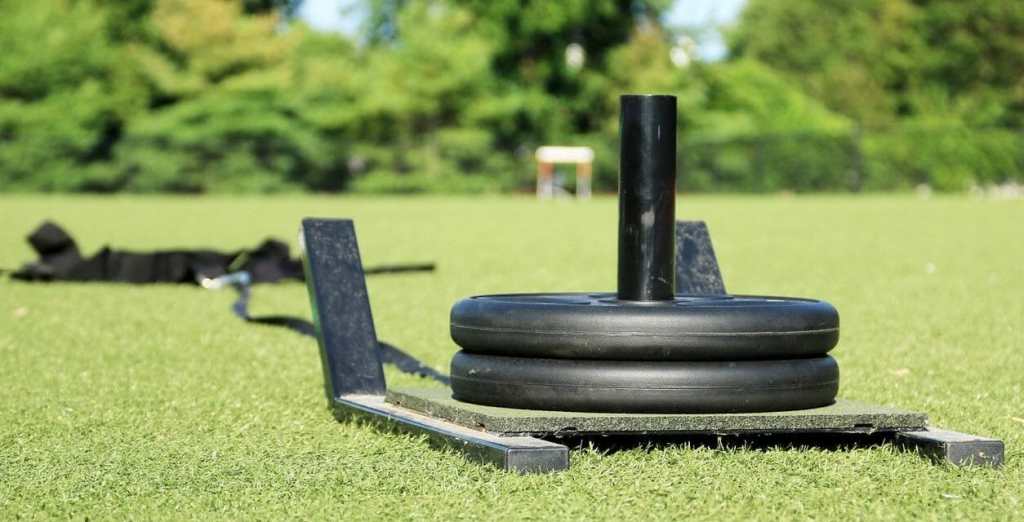
sled-1254x640

Do you want to get leaner, build some muscle and improve overall physical conditioning? Try adding some sled training to your workouts.

Sled training is a highly effective and fun (sometimes) training modality that can be used in a variety of ways to improve general conditioning and non-specific athletic performance.

Here are some of the benefits of sled training.

Improved GPP
General Physical Preparedness (GPP), is the non-specific ability to be physically fit. Can you lift weight off the ground, push it overhead or carry it for distance? All of these things are GPP.

Improved body composition
Sled training is hard work. It’s also an awesome tool to build lean muscle mass and increase fat loss. There are many variations that can boost your metabolic rate and increase muscle mass. As you will be using you entire body as a machine, it can develop muscular density and hypertrophy, whilst also increasing fat loss.

Develops functional strength and acceleration
Sled training uses just about every muscle in the body whilst conducting real world movement patterns. It has to work as a complete machine in order to generate the force required to move the sled the required distances, developing overall strength and conditioning in the process.

Acceleration is a critical element in almost any sport, athletes are always working on developing their acceleration. Sled training can be programmed as a form of sprint conditioning, by forcing the body to move with speed against a controlled resistance, thus improving overall speed and power.

It’s simple, but hard work
Sled workouts are easy to program. Just load the weight and push, pull or drag. It will be hard work. It will elevate your heart rate to near max, it will leave you gasping for air and fatigue your entire body. It will make you better overall and generally harder to kill. Hard work pays off.

A lot of gyms are starting to add weighted sleds into their functional training areas, so if your gym has one, try giving it a shot for a few weeks. If your gym doesn’t have a sled or functional training area, then you should consider changing gyms.

The addition of sled training alone will make the move worth it.

What is GPP?

how-to-do-a-burpee-benefits

Work capacity refers to the general ability of the body as a machine to produce work of varied intensity and duration using the appropriate energy systems of the body.

Everybody can benefit from an increased work capacity. Improved work capacity will allow you to perform better at higher intensities, whilst quickly recovering between workouts (or rounds). Basically, it will allow to perform better, for longer and more frequently.

Closely related to work capacity is General Physical Preparedness (GPP). GPP can be best described as a series of conditioning exercises designed to enhance the your general, non-specific work capacity.

GPP training develops a solid, well-rounded fitness base. It will enhance the athlete’s physical qualities that would otherwise be most likely underdeveloped through sports specific training alone.

When to conduct GPP training
As described earlier, GPP will enhance your general, non-specific work capacity. There are certain training periods where GPP can be extremely beneficial to an athlete. Here is a short, but not exhaustive list:

  • Pre-season training;
  • Post-injury;
  • Warm-up and recovery workouts.

Even if you don’t consider yourself an athlete, you can still benefit from GPP training throughout the year. Many people tend to take an extended break over the holiday season and entering the gym in the new year can sometimes be a daunting task. This would be the perfect time to add some GPP training to quickly condition the body for the training year ahead.

At a minimum, it will give you some variety to the standard bench press, squat and deadlift based workouts.

Some of the benefits of GPP training include:

  • Anaerobic endurance;
  • Aerobic endurance;
  • Strength;
  • Flexibility;
  • Coordination;
  • Mental toughness;
  • Overall body composition;
  • Recovery time between workouts.

Another critical benefit of GPP training that is often overlooked in any physical training program is that is can strengthen the ligaments and tendons. GPP will prepare the ligaments and tendons for the more intense training or competition that will follow.

Ligaments and tendons develop at a much slower rate than muscular strength. Many coaches often prescribe complex and explosive training techniques to athletes who are not physically prepared to execute properly.

For this reason, it is important to include some volume work, such as bodyweight GPP circuits to strengthen the ligaments and tendons.

If done correctly, GPP is nothing short of gut wrenching. It is however, highly effective. Workouts can be simple and brief, and can be performed with or without any equipment. As you begin to push through these workouts, you will develop the ability to fight through fatigue and perform at a higher level for an extended period of time.

As an athlete, whether professional or an amateur, it doesn’t matter how skilled you are. Everybody fatigues. It is at this point the body is most vulnerable. A reduction in performance or even injury can result. GPP training will develop the mental and physical capacity required to work through these periods of fatigue.

All athletes must ask themselves the following questions. Can you outwork your opponent? Will you be able to keep up during the final minutes or have the mental toughness to summon a final effort to push through to the finish line? If You have done your GPP work, you will be able to answer these questions confidently.

It is ok to lose, however losing due to poor physical conditioning is not.

Which exercises are best
Bodyweight exercises such as the burpee and jumping jacks are excellent choices, however, the variations are endless. Sleds, medicine balls and kettlebells can also make valuable additions to any GPP program.

Here are several of my favourite GPP workouts:

GPP #1

  • Burpees x 30 sec
  • Jumping Jacks x 30 sec
  • High Knee Alternating Dumbbell Press x 30 sec
  • Medicine Ball Slams x 30 sec

Repeat the circuit 5 times without rest for a total of 10 minutes work.

GPP #2

  • Sled Push x 50 m
  • Kettlebell Farmers Walk x 50 m
  • Jumping Jacks x 20

Complete as many circuits as possible in 20 minutes.

GPP #3

  • Kettlebell Swings x 20
  • Jumping Jacks x 10
  • Kettlebell Swings x 20
  • Burpees x 10
  • Kettlebell Swings x 20
  • Mountain Climbers x 10 (each leg)

Complete as many circuits as possible in 15 minutes.

GPP #4

  • Jump Rope (100 turns)
  • Burpees x 10
  • Push-ups 10
  • Air Squats x 10

Repeat circuit for 10 rounds as quickly as possible.

GPP #5

  • Burpees x 30 sec
  • Jumping Jacks x 30 sec

Repeat circuit for the time as listed below without rest. That is one round.

Beginner

  • Complete 4 x 2 minute rounds with 1 minute rest between rounds.

Intermediate

  • Complete 6 x 2 minute rounds with 1 minute rest between rounds; or
  • Complete 4 x 3 minute rounds with 1 minute rest between rounds.

Advanced

  • Complete 6 x 3 minute rounds with 1 minute rest between rounds.

Tips for intermittent fasting

85

People have chosen to fast intermittently for thousands of years. All historic societies have practiced fasting, either by choice or out of necessity.

Many of the benefits of fasting were known in ancient societies. Fasting periods were often called “cleanses or purifications”. The goal was always the same. To abstain from food for a prolonged period of time for health reasons. People often believed that this period of abstinence would cleanse the body or toxins and rejuvenate their bodies.

More recently however, with the advent of agriculture an industrialisation, food has become so readily available the society has basically forgotten all about fasting. Today people have a dependence on processed carbohydrates and sugars, which has contributed to the obesity and type-2 diabetes epidemics we see today.

Fasting can potentially deliver huge benefits such as, weight loss, increased energy and physical performance and even the reversal of type-2 diabetes.

Here are some tips for conducting fasts:

  • Drink water;
  • Drink black coffee and tea;
  • Keep yourself occupied;
  • Give yourself a month to assess if intermittent fasting is good for you;
  • Follow a low-carbohydrate diet in-between fasting periods. This will reduce hunger and makes fasting easier.
  • Don’t binge eat when breaking the fast. Ease back into eating with whole foods.

Remember, fasting isn’t for everybody. There is no real point in continuing an extended fast if you’re miserable. When starting out, it’s probably best to first condition your body to eating a lower carbohydrate, whole food diet. This will reduce the body’s dependence on glucose or sugars as an energy source.

Then begin to extend the duration between meals over time, before attempting a longer fasting periods.


Four foods that can boost athletic performance

usain-bolt-sprinting

With more and more people looking into whole food, ancestral or evolutionary type diets, more and more athletes are choosing to adopt a paleo-based approach to eating in order to improve their overall performance.

One of the reasons I believe that a paleo type diet is the best template for athletes to build a perfect personalized diet is because, by definition, it includes all of the key factors needed to be healthy, recover well and perform at your best when exercising intensely.

Here are a few foods that can boost physical performance and should be a staple for almost all athletes.

Eggs
Eggs are the most complete source of amino acids and rank the highest when it comes to assessing protein quality based on their biological value.

A single egg contains roughly seven grams of complete protein and contains all of the eight essential amino acids required to build and maintain muscle.

Eggs are loaded with B-vitamins, a great source of vitamins B1, B2, B6, and B12. Eggs also contain a lot of choline, a vitamin-like essential nutrient that’s similar to B-vitamins that supports proper brain function, and is sometimes used by athletes to delay fatigue in endurance sports.

Eggs are also an excellent source of zinc, which optimizes testosterone production and the building of lean muscle mass, and also a pretty good source of magnesium, which is essential for over 300 cellular functions and is linked to improved intra-workout recovery and better quality sleep.

Egg yolks are one of the few foods that naturally contain vitamin D, making it a convenient way to up your intake without having to sit out in the sun. Vitamin D is essential for strong bones and muscles, as well as overall health.

Eggs also contain iron which is required to produce haemoglobin, which carries oxygen throughout the body.

A complete amino acid profile, a ton of micronutrients, all great for athletes, and surprisingly low-calorie equals one nutrient dense food source for optimising performance.

Grass-fed Butter
For the last 30 years or so, saturated fats like butter have been erroneously considered the number one enemy in conventional medicine, supposedly responsible for heart disease and poor health. However, the scientific community is now clear that saturated fats aren’t bad for us, and in fact are extremely important for overall health.

Grass-fed Butter is literally a Superfood. Nutrient wise it’s very high in Vitamins A, D, E and K2. These vitamins are responsible for hormonal balancing, and cardiovascular health. Magnesium and Zinc are also huge players in the game. By consuming Grass-fed Butter you can balance calcium levels, repair muscles and provide adequate energy during training.

Grass-fed Butter can provide 20 times more ATP during cellular metabolism than can be gained by eating all sorts of processed grains and sugars.

Saturated fats play a critical role on a couple of fronts. First, they are shown to help athletes recover from intense exercise and over-training. Studies have found that athletes who are rundown during periods of intense training typically have low cortisol and low testosterone levels, to go along with fatigue, excessive delayed onset muscle soreness, low libido and low mood… all symptoms of over-training.

Saturated fats can also be a great tool for endurance athletes, because unlike most fats they can be absorbed directly by the gut and used for instant energy. This means the medium chain triglycerides in butter can effectively be used like carbohydrates for energy during runs, rides, swims, or metabolic conditioning.

You get 9 calories when using fats for fuel versus 4 calories when using carbohydrates, so you dramatically improve your fuel efficiency. This can translate into better performance.

Beets
The consumption of large quantities of beets has been found to dramatically increase blood nitrate levels, and in turn boost athletic performance.

This promotes nitric oxide formation, which is a powerful vasodilator that helps increase blood flow to working muscles allowing your mitochondria to produce ATP more efficiently. This creates an ‘anti-fatigue’ effect, meaning you can do the same amount of work for longer period with less stress to the body, producing significant endurance benefits in athletes.

Load up on beet juice daily for five or so days before a competition or consume as a regular part of your diet to reap the benefits.

Coffee
Not necessarily an ancestral or traditional food, coffee can provide a terrific performance boost. There are countless performance-enhancing supplements that are now available on the market, some of them better than others. The best however, if you’re looking to improve your performance, is a the classic cup of black coffee.

Caffeine, found naturally in tea and coffee, is truly one of the best performance-enhancing drugs in the world. In fact, supplemental caffeine is the “secret” ingredient in virtually all the marketed weight loss and performance supplements because it’s so effective.

What can caffeine do for you?

A cup of black coffee is all you need for a natural stimulant and effective pre-workout. Several studies have shown caffeine to boost athletic performance and improve a variety of other health markers.

The effects will vary from person to person, but the peak stimulant effect usually occurs 30-60 minutes after consumption. Once it enters the bloodstream, several responses begin to occur within the body. Heart rate and blood pressure increase, which in turn delivers oxygen to the muscles at a faster rate and fat stores begin to metabolize and are released into the bloodstream. This typically will lead to you feeling energised and ready to workout.

With regards to athletic performance, caffeine has been shown to increase various types of performance when consumed in moderate amounts.

Caffeine has also been shown to give the athlete the ability to train for longer duration and with a higher power output. It has also been shown to improve overall endurance and resistance to fatigue.

Endurance athletes probably benefit the most from the consumption of caffeine. This may be due to the point mentioned above where caffeine consumption can increase the breakdown of fat stores to be used as energy, thus saving stored glycogen for when it is needed most, such as the increased intensity of a sprint to the finish line.

Why women should be lifting heavier

4-Reasons-Women-Must-Deadlift

Just about everybody will agree that women will benefit from lifting weights. With the introduction of modalities like Crossfit and F45 in recent years, weight training amongst women has gained popularity, and more and more of these women have been successful in their training endeavours like never before.

That being said, the reality is that is still less popular for women to be lifting heavy weights. This is the 1 to 5 repetition range that can get you real strong and lean. 

Here are some of the best reasons why women should be lifting a little heavier.

Improved body composition
Basically, this means less body fat and stronger curves. Which woman doesn’t want that? Most women join a gym and start lifting weights as part of a plan to lose unwanted body fat, but they don’t have a real goal or training end state.

They might follow a simple weight training program that will suggest moderately heavy weight in the 8 to 15 repetition range, or attend several high intensity group classes. Eventually, these workouts will feel easy, or boring, and it will be necessary to find a new challenge to keep the body positively adapting to the physical workload. 

If you have successfully mastered key movements like the squat and deadlift it may be time to lift some heavier loads with lower repetitions to increase your muscular density and strength. 

The stronger you get, the easier it will be to positively transform your body with continued training.

The take away point here is that lifting heavier weights develops muscular density. You will not see the serious muscle growth like some of the top bodybuilders and Crossfit athletes. That actually take years of intense training, combined with eating a lot of calories and targeted supplementation. You will however, develop the sleek sculpted curves that most women are thinking about when they say athletic and toned.

Healthier heart, brain, hormones and metabolism
Lifting heavier weight can have unique benefits to the human physiology that you can’t get from lifting lighter loads.

Heavy lifting protects the body by causing metabolic and functional adaptations to the muscles and brain that safeguard the body from injury, disease and excess fat gain.

Heavy lifting requires the training of multi-joint movements that use the whole body, such as the deadlift, squat and farmers carry. Training this way will develop the whole body as a functional machine capable of performing how it has evolved to perform.

Also, heavy lifting activates protective genetic pathways that keep the heart healthy and metabolism efficient.

Stress relief
Exercise in general is a great way to manage stress. The whole fat loss process is inherently stressful. Many women (men also) will fixate on it, and in doing so, increase anxiety levels which will force the body into a kind of threatened state.

Once in this threatened state the body will have elevated its cortisol levels as a protective measure. Cortisol is an important hormone when it comes to fat loss, because it is involved in the release of energy stores to be burned for fuel when blood glucose levels drop.

Optimal cortisol levels required for fat loss flow like a wave. They are at their highest in the morning upon waking, and lower throughout the day. Several factors, such as restricting food when hungry or training twice per day, forces cortisol levels to remain elevated for longer periods, which can slow the fat loss process.

Improved bone density
Another major health risk for women is bone health. Due to hormonal changes that occur during menopause, many women lose bone density and strength. Not only a risk for women, as the human body actually begins to lose bone density in its 30s and consistent strength training can delay or even reverse the process.

Improved mental and physical capacity
Not only does lifting heavier weight make you stronger and leaner, but it can have a positive effect on your entire life. You will stand taller and generally more confident overall. You will find an increase in energy levels, better sleep quality, and notice how much easier it is to run around with your children (if you have any), even carrying all of your grocery bags into the house in a single trip.

Simply put, being able to complete everyday tasks as required with ease and having the capacity to do more as life requires.

Strengthening your body will improve your overall quality of life.

Coffee and Intermittent Fasting

0418_STD_sleep_Feature_FINAL

Intermittent Fasting has become one of the most popular dietary patterns in recent times. It is most popular within the health & fitness industry and many people are tinkering around with it to see if they can benefit from the plethora of health benefits associated with it.

Some of the most common questions surrounding fasting is;

What actually breaks a fast? And, can I have coffee?

The first question is fairly easy. Simply put, you’re eating or you’re not. Now for the coffee.

For most people, I wouldn’t be too worried about whether or not this is the case. The fact that you are already going 12-24 hours without any caloric intake places you ahead of the curve simply by being open to the idea that you don’t have to eat every other hour. Some coffee with full-fat cream isn’t really going to take away what you’re trying to accomplish.

Some people however, myself included, like to look a little deeper. So… let’s start with black coffee.

Here is how black coffee affects some of the more common fasting benefits.

Ketosis
Fasting is a quick and easy way to get into ketosis. You don’t have a choice in the matter. As your body depletes its glucose supply, it will automatically begin to break down excess body fat to produce ketones as a fuel source.

This study found that the consumption of caffeine boosted ketosis in humans.

Fat Burning
Fat burning is another popular benefit of fasting. As stated earlier, coffee has been shown to increase ketosis, so it would be safe to say that coffee also increases fat mobilisation and burning.

Insulin Sensitivity
In the short-term, fasting can reduce insulin sensitivity. This is a physiological measure taken by the body to preserve the little glucose that is remaining for the brain.

The real benefits occur over the long-term, where fasting is an effective way to improve your insulin sensitivity and glucose tolerance. Just about everything that makes you more efficient at fat burning and expending energy, rather than the storing of energy,  like exercise, low-carbohydrate diets and fasting, tend to improve insulin sensitivity over time.

Coffee has a similar effect. In the short-term it reduces insulin sensitivity and glucose tolerance. With long-term use, coffee improves both insulin sensitivity and glucose tolerance. Many studies have found that the more coffee you drink, the lower your overall risk of developing type-2 diabetes.

Autophagy
Basically, it’s cellular cleanup. Autophagy is one of the ways that the body keeps its cells healthy and maintained, by recycling dead or damaged cells. Fasting is one of the best ways to induce autophagy. It is actually one of major selling points for fasting.

That covers black coffee. What about the common additions to coffee?

Coffee with butter, coconut oil or MCT oil
Technically, this is breaking the fast. If you’re consuming calories (and depending on how much fat you add, it could be a significant amount of calories), these calories break the fast.

Pure fat however, has little to no effect on insulin, blood glucose, or any other measure that would indicate a broken fast.

By adding some fat to your morning coffee, you won’t be burning as much body fat. You will however still be burning a lot of fat.

It will most definitely help you fast for longer periods. For some people, adding some fat to coffee can make fasting more tolerable. If you can go 12 hours on black coffee, but a tablespoon of MCT oil can help you get 16-24 hours, then the addition of MCT oil is probably a good thing.

It shouldn’t affect autophagy. It’s protein consumption that interrupts autophagy. Butter has a small amount, but it shouldn’t interfere unless you’re consuming it in large amounts.

Coffee with cream
An ounce of full-fat cream has almost a gram of carbohydrate (lactose) and protein. Some cream in your coffee won’t affect your fat burning very much, but it might reduce the amount of autophagy. The point here is that your coffee should be black with maybe a tablespoon of full-fat cream.

That being said, if you’re fasting you may be already eating a paleo or ketogenic type diet which have been shown to increase autophagy. This is all a matter of degree and probably still a net win.

The takeaway here is that some autophagy is not zero autophagy.

Coffee with almond / other nut milks
Firstly, why? Black coffee all the way please. Maybe a little full-fat cream. Ok, I there are a lot of people who can not tolerate diary and can’t really stomach black coffee. Enter the almond / other nut milks.

As long as you’re staying away from the sweetened versions, or those fortified with additional proteins, and you’re not having half a cup or more at a time, then a little nut milk won’t make much of a difference.

There isn’t much nutritionally to most nut milks.

Coffee with collagen
Collagen is one of my favourite things to add to my black coffee. It is however, pure protein. Consuming protein tends to increase mTOR and inhibit autophagy. All this means is that having collagen in your coffee during a fast will probably help with fat burning and suppress your appetite for longer, but it will reduce the benefits of autophagy.

Ordering coffee
Try black coffee. Nothing beats it. Drip. Pour-over. Espresso. Long blacks. Whichever the method. It’s the simplest way to maintain a fast.

Ask for full-fat cream. A lot of coffee houses will stock it. Just be careful when using the “cream” that is set out for customer use. That will usually be cream mixed with milk, giving you too much of a protein and carbohydrate hit that will potentially break the fast.

Avoid nut milks. A lot of places will use sweetened nut milks to add flavour to their coffees. They’ll also overdo the amount. An almond latte will have up to 8 ounces of almond milk, which will definitely break your fast.

Is all yoghurt equal?

Greek yogurt in a glass jars

The same basic principles apply to making all types of yoghurt. The addition of specific strains of bacteria to milk followed by the an incubation period at temperatures warm enough to encourage growth and proliferation.

Yoghurt is milk transformed into a creamy, tangy and more nutritious product. At this point all yoghurt is created equal. From here, food producers have made the case to ruin a perfectly good thing with misguided additions, or reductions in an attempt to capitalise in the modern market.

Often, they remove perfectly good fats and replace them with gums, stabilizers, thickeners and gelatin in an attempt to recreate the natural creamy textures.

They can load it with sugars and/or high fructose corn syrup, assuming that the consumer can’t handle the tang of real yoghurt (we have been conditioned to prefer sweeter foods).

They turn a highly nutritious whole food with thousands of years of tradition into an edible product with little resemblance of its predecessor.

So, what to avoid?

Yoghurt with added sugar
Yes, sweet foods do taste great. But you would be surprised at how much sugar is added to manufactured yoghurt. Some varieties can have upwards of 20 grams of pure sucrose, which is far, far too much.

If you must have something sweet with your yoghurt, drizzle some raw honey on top. Another option, and probably better again is to add some fresh fruit, such as blueberries, raspberries, strawberries or even a banana.

Yoghurt with added thickeners and stabilizers
Innately, people love the traditional thickness of yoghurt, but they have been conditioned to be scared of the fat that creates that texture. Manufacturers often remove the fat and replace it with additives.

These additives are not necessarily dangerous to human health, but there is some supporting evidence to suggest that some of these additives may increase your risk of obesity by altering the diversity of your gut bacteria. So, why risk it when you can eat the unaltered whole food?

Some yoghurts and even kefir will have prebiotic fibres, such as pectin or inulin added. This probably is a good thing, as adding a prebiotic may actually increase the overall health effects and support the microbial population.

Most low-fat yoghurt
A high percentage of the studies that find dairy products to be beneficial to human health, it is full-fat dairy that has been used. Conversely, when a study links dairy to adverse health outcomes, low-fat diary has usually been used.

Most likely, the reasons behind why full-fat dairy is so good for us is because of what it is not. Highly processed, with added thickeners or stabilizers, industrial fibres and sugars to make up for the missing fats.

Fatty acids in their natural state are generally associated with optimal human health. Such as conjugated linoleic acid (CLA) found in pastured-raised dairy products which offers some protection against cancer and heart disease.

There are times where low-fat alternatives can be beneficial for short periods of time, such as a bodybuilder in preparation for competition, who is looking for a high-protein, low-fat food source to kickstart post-workout muscle protein synthesis without the potential fat gain.

What about the good stuff?

Classic full-fat yoghurt
This is yoghurt in its natural state. It’s creamy (when made with full-fat milk), tangy and full of healthy bacteria. It’s classic.

Strained yoghurt
Also known as Greek yoghurt, strained yoghurt is just yoghurt with most of the liquid whey removed. This creates an ultra-thick, high-protein, high-fat creamy yoghurt that is great for a variety of uses, such as making Tzatziki dips, or for use in some Indian style curries. It’s also amazing with mixed berries or even some raw honey.

Skyr
This is an Icelandic yoghurt/cheese hybrid that incorporates both bacterial cultures and animal rennet to produce a thick, high-protein cultured milk product.

Skyr is non-fat, which is the traditional way to make it. Skyr makers would use the leftover milk after making butter. An efficient way to maximise your resources.

Making the most of eating yoghurt:

  • Try different types. Different yoghurts often contain different bacterial strain combinations. The variety of good bacteria will help improve you overall gut bacterial diversity.
  • Try different species. The fermentation process reduces the allergenicity of bovine whey and casein proteins, but may not be enough if you’re really intolerant. Try goat, sheep or even a non-diary version like coconut yoghurt.
  • Try smaller amounts. Start with a teaspoon at a time, building up from there. Remember, you’re adding new bacterial residents to your gut and they’ll need time to settle into their new surroundings.
  • Try sourer varieties. The more sour the yoghurt is, the less lactose remains. Lactose is a common gut irritant.


Simple Strength 1-2-3

It’s not heavy weights that build muscle. It’s not high reps that build muscle. It’s heavy weight with high reps that builds muscle.

– Tom Platz (former American professional bodybuilder)

barbell-1024x683-1

Often people try to over complicate everything in life. Tell somebody to define “clean eating” and they will need a 500-page book to explain it, when a simple eat some animal protein at most meals with a variety of vegetables will do. The same applies to the terms “get stronger” or “get in shape”, where it could take multiple books, depending on the discipline to flesh out the finer points.

Getting strong is not that complicated. It is however, hard work.

One of the simplest ways to achieve this is the “one-two-three” method.

How it works
Pick a movement:

  • Push: Bench or Overhead Press;
  • Pull: Pull-up;
  • Hinge: Deadlift;
  • Squat: Front or Back Squat.

Select a load that you can complete five repetitions. It will vary from person to person, but generally it would be about 80% of the individuals max. Now, follow this format:

1-2-3

Complete a single, rest a few seconds, complete a double, rest some more, then complete a triple. That will be a total of six repetitions completed with excellent form. For a more solid workout, run through this method up to three times:

1-2-3-1-2-3-1-2-3

That is 18 repetitions in a set using a weight that you would normally use for five repetitions!

Rules
Focus on the major movements Push, Pull, Hinge and Squat. Basically, compound multi-joint exercises are best.

Never miss a repetition and don’t chase fatigue. You want to be fresh for each repetition, so rest as long as required. If you have a training partner, the simple “I go, you go” method will be fine.

The weight should feel light and easy. There is no requirement to figure out loading percentages. Just adjust the load by “feel”. The idea here is to increase the effortless efforts to increase your best effort.

Let the volume do the work. Often under appreciated, building muscle mass, getting strong and lean takes time and effort. If you want more strength, you will need a lot of clean repetitions with crisp technique to teach the nervous system to eventually lift the larger loads.

Programming
An easy way to implement this method is to supplement it into your normal training using the 1-2-3 repetition scheme for a chosen movement, one to three days per week.

I have personally found that using this ladder method does wonders for increasing the Pull-up, and have found good results experimenting with other major lifts like the Overhead Press and Deadlift.

Being stronger in these lifts is the secret to power, mass and leanness.

What is DHA?

RUS-01743_DHA_Strawberry_90ct

Docosahexaenoic Acid (DHA) is a specific type of omega-3 fatty acid.

Found naturally occurring in certain fish (with emphasis on mackerel, salmon, herring, and sardines), it has been shown to be one of the most potent health boosters on the entire planet.

Structure
DHA is what is known as a ‘Long-Chain Omega-3 Fatty Acid’, as it is 22 carbons long, and has 6 double bonds (making it physically long in structure compared to other fatty acid molecules).

epa-and-dha-structure

DHA and the evolution of the human brain
An important turning point in human evolution was the discovery of high-quality, easily digested nutrients from coastal seafood and inland freshwater sources.

Previously, Neanderthals sourced protein predominantly from the red meat of wolves, large feline and hyenas. The is little to no evidence of fresh water aquatic species or marine sources of protein in the bone collagen of Neanderthal specimens.

In comparison, seafood consumption of early modern humans was a nutritional staple. Depending on geographical region, freshwater or marine sources of protein made up between 10-50% of the diet for these populations.

Freshwater sources occurred along rivers and included fish and/or water fowl and marine sources were coastal and included fish, shellfish and small slow-moving animals such as turtles or tortoises.

This study suggests that the discovery, and subsequent multi-generational exploitation of aquatic and marine food sources coincides with the rapid expansion of the brain that is unique to modern humans.

This exploitation coincided with a rise in cognitive development leading to a more elaborate enrichment in material culture, such as personal ornamentation, decoration of burials and pottery figurines.

Benefits of DHA in the diet
Supplementation of DHA has been shown to have profound effects on health, wellbeing and overall performance. Due to its somewhat broad influence throughout the body, these effects can impact a number of physiological systems, boosting health in a variety of ways.

DHA has a positive effect on diseases such as hypertension, arthritis, atherosclerosis, depression, adult-onset diabetes mellitus, myocardial infarction, thrombosis, and some cancers.

Brain health
The human brain requires somewhere between 20 and 30% of the body’s available energy. It is even higher during the early years of life. Both EPA and DHA are responsible for many of the brain’s unique cognitive capacities and advance brain functions.

As DHA makes up about 30% of our brain matter and approximately 50% of retinal structure in our eyes, it stands to reason that its consumption has the potential to impact our brain health and eye health. This has been well supported within the scientific literature.

Consumption of DHA has been shown to protect against age related declines in brain health, brain size, and associated reductions in neural function. With this has come an increase in performance during cognitively driven tasks, in conjunction with improved memory, and an improved capacity for learning.

DHA supplementation has also been shown to have a preventative effect on both dementia and age related cognitive decline, ensuring our mental function well into older age, while significantly reducing our risk of Alzheimer’s and Parkinson’s.

Heart health
DHA has the potential to improve the state of the body’s cells, while simultaneously reducing harmful inflammation throughout the entire body.

Through these two mechanisms, the supplementation of DHA can cause significant reductions in blood triglycerides, blood pressure, and ‘bad’ cholesterol (LDL cholesterol).

DHA has also been shown to reduce cardiac arrhythmias.

As a result, the consumption of DHA can greatly improve our cardiovascular health and function, significantly reducing our risk of developing heart disease and diabetes.

In summary
DHA is one of the most important nutrients within the entire body, where it is used to make the cell membranes of literally every cell in the body, while also acting as a key structural component for tissues found in the brain, eyes, and skin.

With this in mind, its supplementation can improve brain health, increase cardiovascular function, and cause significant improvement in eye health and function. Making it one of the most effective supplements on the market.

Why you should be eating Pumpkin

ingredient-of-the-month-pumpkin-1200x628

Why it’s a superfood?

  • High in Vitamins A and C, fiber, manganese, potassium and antioxidants.

Healthy evidence
As potent antioxidants, carotenoids help prevent diseases in which oxidative damage plays a role, such as cardiovascular disease and cancer. A 2009 study reported that women with the highest levels of alpha-carotene, lutein, and beta-cryptoxanthin had as much as a 50% reduction in breast cancer risk.

Making the most of Pumpkins
During boiling, vitamin C seeps into the water, so baking and roasting are preferable. Microwaving in little water is another good option. The carotenoid antioxidants, however, are not lost in cooking liquid.

Canned Pumpkin can be an excellent choice. In fact, the canning process increases the concentration of carotenoids. Add canned pumpkin to soups, stews, or even natural yoghurt.

Picking the best Pumpkin
Deep orange pigmentation is one of the best identifiers of beta-carotene content, and these foods live up to their colourful appearance. All varieties of winter squash contain beta-carotene, though pumpkin and butternut are superior to all other varieties.

Nutrition
The pumpkin is an incredibly nutritious food. It is nutrient dense, meaning it has a lot of vitamins and minerals and relatively low in calories. A real bang-for-buck food.

One cup (mashed, 245g) of pumpkin provides:

  • Calories: 49
  • Protein: 2g
  • Carbohydrate: 12g
  • Fibre: 3g
  • Vitamin K: 49% of RDI
  • Vitamin C: 19% of RDI
  • Potassium: 16% of RDI
  • Copper, manganese and riboflavin: 11% of RDI
  • Vitamin E: 10% of RDI
  • Iron: 8% of RDI
  • Folate: 6% of RDI
  • Niacin, pantothenic acid, vitamin B6 and thiamin: 5% of RDI

As discussed earlier, Pumpkin is also exceptionally high in beta-carotene, a power anti-oxidant. Beta-carotene is a type of carotenoid that converts into Vitamin A within the body.