Why you should be eating Pumpkin

ingredient-of-the-month-pumpkin-1200x628

Why it’s a superfood?

  • High in Vitamins A and C, fiber, manganese, potassium and antioxidants.

Healthy evidence
As potent antioxidants, carotenoids help prevent diseases in which oxidative damage plays a role, such as cardiovascular disease and cancer. A 2009 study reported that women with the highest levels of alpha-carotene, lutein, and beta-cryptoxanthin had as much as a 50% reduction in breast cancer risk.

Making the most of Pumpkins
During boiling, vitamin C seeps into the water, so baking and roasting are preferable. Microwaving in little water is another good option. The carotenoid antioxidants, however, are not lost in cooking liquid.

Canned Pumpkin can be an excellent choice. In fact, the canning process increases the concentration of carotenoids. Add canned pumpkin to soups, stews, or even natural yoghurt.

Picking the best Pumpkin
Deep orange pigmentation is one of the best identifiers of beta-carotene content, and these foods live up to their colourful appearance. All varieties of winter squash contain beta-carotene, though pumpkin and butternut are superior to all other varieties.

Nutrition
The pumpkin is an incredibly nutritious food. It is nutrient dense, meaning it has a lot of vitamins and minerals and relatively low in calories. A real bang-for-buck food.

One cup (mashed, 245g) of pumpkin provides:

  • Calories: 49
  • Protein: 2g
  • Carbohydrate: 12g
  • Fibre: 3g
  • Vitamin K: 49% of RDI
  • Vitamin C: 19% of RDI
  • Potassium: 16% of RDI
  • Copper, manganese and riboflavin: 11% of RDI
  • Vitamin E: 10% of RDI
  • Iron: 8% of RDI
  • Folate: 6% of RDI
  • Niacin, pantothenic acid, vitamin B6 and thiamin: 5% of RDI

As discussed earlier, Pumpkin is also exceptionally high in beta-carotene, a power anti-oxidant. Beta-carotene is a type of carotenoid that converts into Vitamin A within the body.

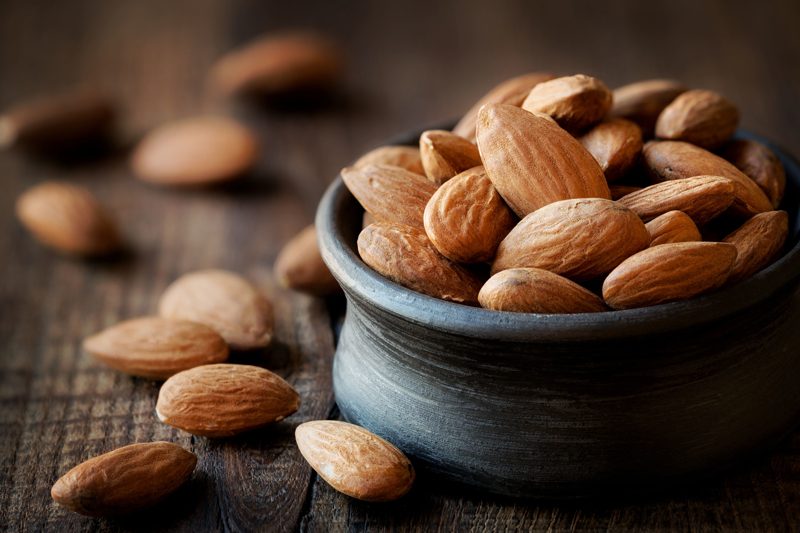
Using almonds for recovery

almonds123-800x533

About Recovery
Recovery nutrition encompasses a range of physiological processes that include:

  • Replacing the muscle and liver glycogen (carbohydrate) stores;
  • Replacing fluids and electrolytes lost in sweat;
  • Manufacturing new muscle protein a d cellular components that are part of the repair and adaptation to exercise;
  • Enabling the immune system to face the challenges caused by exercise.


Almonds for Sport
Almonds provide a wide range nutrients that help to keep the body healthy for sports and performance. A single handful per day will help meet your needs. Almonds provide protein, as well as monounsaturated fats, including the antioxidant vitamin E. They also include other important vitamins and minerals such as potassium, magnesium, iron, calcium, phosphorus and vitamin B2.

Refuelling
During the immediate post exercise window (0-30 minutes), athletes should consume a meal consisting of both carbohydrate and protein in a 4-5:1 ratio. This is important as the rate of glycogen synthesis is at its greatest. This is of even greater importance if the next training session or competition in within the 8 hours.

If the session is close to the next meal time this would be a part of the recovery process. Another meal following a similar ratio between carbohydrate and protein should be consumed. The type of food chosen would need to take into consideration the individual athletes daily caloric requirements, gastric comfort and food availability.

Rehydration
A fluid deficit incurred during training or competition has the potential to negatively impact on an athlete’s performance in future training or competition sessions.

To combat this, athletes should aim to consume 125-150% of their estimated fluid losses within the next 4-6 hours after a session. The addition of sodium, along with other electrolytes to a drink or with the post workout meal will reduce further fluid loss, therefore enhancing fluid balance and overall recovery.

Muscle Repair and Building
Both high intensity and endurance exercise cause a substantial breakdown of muscle protein. During the recovery phase there is decreased catabolism and a gradual increase in the anabolic processes of muscle tissue. Early intake of protein during the first hour after exercise promotes the increase of protein synthesis.

The quantity of protein needed to maximise this adaptation to physical activity is 15-25g of high quality protein. With the addition of carbohydrate to this meal, you will aid the body ability to transport the proteins into the muscles.

Immune System
The immune system is taxed by intensive physical activity. This may lead to athletes succumbing to viral infections during or after periods of intense training or competition.

Evidence indicates that the most promising nutritional immune protectors include adequate carbohydrate intake before, during and after high intensity or endurance exercise. Other nutrients that have been identified as immune protectors include Vitamins A, C, D, E, along with glutamine and zinc.

Including Almonds as part of Recovery
Here are some ways that you can use almonds to help you meet the goals of recovery:

  • Salted almonds and fluids enhancing hydration;
  • As part of a snack providing a source of protein to enhance muscle repair and building;
  • As a source of Vitamin E for the immune system.

Here are some examples of almonds being used in recovery meals

Breakfast:

  • Yoghurt with berries and chopped almonds or LSA mix;
  • Diced coconut, almonds, dates and apple.

Lunch:

  • Chicken and almond stir fry with root vegetables;
  • Lean meat, salad and a handful of almonds.

Dinner:

  • Chicken salad sprinkled with roasted almonds;
  • Red chicken, vegetable and almond curry with white rice (or cauliflower rice).

Snacks:

  • Almond bar;
  • Trail mix with dry roasted and salted almonds;
  • Yoghurt with chopped almonds.


MCT Oil 101

37980240781_70fb85bae1_c

Medium-chain triglycerides (MCT) are medium length fatty acids. The term “medium” refers to the length of the chemical structure of the fatty acid. MCTs are most often derived from coconut oil and sometimes made from palm oil.

Before we talk about MCT Oil it is important to understand what a fatty acid is and how to classify fatty acids.

Fatty acids are chains of carbons linked together, surrounded by hydrogen. These chains have a Methyl end (often known as the Omega end) and a Carboxyl group (acid end) at the other end.

The acid end is hydrophilic, meaning that it is water-soluble, while the rest of the fatty chain is hydrophobic, meaning that it is insoluble in water, and requires a water-soluble transporter to travel in the bloodstream.

These chains can vary in three ways. The number of carbons, the extent to which the carbons are saturated with hydrogen, and how the chain is shaped.

Fatty acids can be classified according to the number of carbon molecules in their structure:

  • Short Chain: Less than 6 carbons;
  • Medium Chain: 6-12 carbons;
  • Long Chain: More than 12 carbons.

Medium Chain Triglycerides (MCT)
The following fatty acids that are classified as MCT:

  • Caproic acid (with a chemical structure of C6:0);
  • Caprylic acid (C8:0);
  • Capric acid (C10:0);
  • Lauric acid (C12:0).

How do MCTs work
MCTs are commonly known for providing you with ready to use energy and better brain function. They’re absorbed quicker than other fatty acids and are easily converted into energy.

Although all four can be categorized as MCTs, only C6, C8, and C10 bypass your digestive tract and go straight to your liver where they’re broken down into energy-packed ketones, then sent out to the rest of your body via your bloodstream.

C12, on the other hand, behaves much more like a long chain fatty acid, going through your stomach, breaking down in your small intestine, then absorbing into your blood to get converted into energy.

Whole Food Sources
The following foods are the richest in medium-chain triglycerides, shown as the percentage of fatty acids that are MCTs:

  • Coconut oil: More than 60%;
  • Palm kernel oil: More than 50%;
  • Grass-fed dairy: About 15%.

Although the sources listed above are rich in MCTs, their compositions will vary. For example, coconut oil contains all four types of MCTs, along with small amounts of long chain fatty acids.

In coconut oil, MCTs consist of greater amounts of C12 and smaller amounts of C6, C8 and C10. In fact, coconut oil is about 50% C12, making it one of the best natural sources of this fatty acid.

In comparison to coconut oil, grass-fed dairy sources tend to have a higher proportions of C6, C8 and C10 and a lower proportion of C12.

Benefits of MCT Oil
With their unique structure and the way that MCTs are metabolized in your body give them a host of benefits that you won’t find in other fatty acids:

  • Antibacterial and antiviral properties that may help balance gut flora and support immune health;
  • Easier to digest than most other fats;
  • They may help you lose excess body fat;
  • Appetite suppression;
  • Provide quick, clean energy, especially brain energy;
  • May reduce lactic acid build up in athletes and increase the use of fat for energy;
  • May improve insulin sensitivity.

MCT Oil v Coconut Oil
The coconut oil industry loves to market the idea that coconut oil is a great source of MCTs because it’s about two-thirds MCT Oil.

Although just about all of the cheap and abundant oils in coconut oil are good for you, the problem is that the science shows that you just can’t get enough of the really useful MCTs from eating coconut oil alone.

Pure MCT Oil will usually consists of just C8 and C10 and is approximately six times more effective that coconut oil.

Some MCT Oils are diluted with large amounts of C12, which is a cheaper and more abundant part of coconut oil that is sometimes marketed as a MCT Oil. This may not be a concern for most people, however these oils are only about twice as effective as coconut oil.

C12 is most well-known for its antimicrobial properties, since it’s the precursor to monolaurin, an even more powerful antimicrobial agent that is able to fight viruses and bacterial infections.

While C12 itself has disease-fighting abilities, monolaurin from C12 is even more capable of inhibiting the growth of pathogens due to having stronger antimicrobial and antibacterial properties.

If you’re after large amounts of C12 for its own health benefits, go for it. Just eat some coconut oil. You can get a fair amount of it from eating just a tablespoon or two.

If you’re after optimizing your brain function and overall performance, have a look into some quality MCT Oil.

Fasted Training

does-intermittent-fasting-work

Intermittent Fasting can be a valuable tool to improve your overall health and performance. But how do you fit in intense training while fasting?

Firstly, I wouldn’t recommend that most people just too many changes, too fast. Sometimes that can be too much of a shock to the system, which may lead to a decline in health and performance.

If you’re eating a mostly whole food diet you’re already almost there. Some small changes to your eating patterns and slowly extending your fasting period every couple of days will get you out to a pretty decent daily fast in no time at all.

Training in a fasted state
Training should be completed on an empty stomach and/or after the consumption of 10 g BCAA. Technically, the training is not completely fasted – as over time this could become detrimental to health and performance.

The pre-workout amino acid intake has a stimulatory effect on protein synthesis and the metabolism, is a crucial compromise to optimize results. The 8-hour feeding window commences with the first post workout meal.

Example

  • 1130-1200: 10g BCAA;
  • 1200-1300: Workout;
  • 1300: Post workout meal;
  • 1600: Second meal;
  • 2030: Final meal before overnight fast.

The largest meal of the day is consumed post workout, then calories and carbohydrates are reduced as the day progresses.

Barbells

Early morning fasted training
This is a common example as a majority of the early morning athlete will usually train fasted before starting their day. This example shows how you can train early morning and begin the feeding phase at noon or later.

  • 0600-0630: 10g BCAA;
  • 0630-0730: Workout;
  • 0830: 10g BCAA;
  • 1030:10g BCAA;
  • 1200-1300: Post workout meal (largest meal of day);
  • 2000-2030: Final meal before overnight fast.

This is my preferred method as I like to train early in the day. I also have a cup of black coffee with some MCT Oil pre-workout.

One pre-workout meal
A common methodology for athletes wishing to train late afternoon or directly after work.

  • 1200-1300: Pre-workout meal. Approximately 20-25% of daily caloric intake;
  • 1500-1700: Workout during this window;
  • 1700: Post workout meal (largest meal of day);
  • 200-2100: Final meal before overnight fast.

Two pre-workout meals
The standard protocol for athletes who work normal business hours.

  • 1200-1300: First meal to break the fast. Approximately 20-25% of daily caloric intake;
  • 1600-1700: Pre-workout meal. Similar caloric intake to first meal.
  • 1830-2000: Workout during this window;
  • 2000-2100: Post workout meal (largest meal of day).

The take away
No calories should be consumed during the fasting phase. Exceptions to this are black coffee, tea, BCAA and a cup of bone broth.

The fasting window is the perfect time to be productive. Try not to sit around, get bored and think about food.

Once in the feeding phase, meal frequency is fairly irrelevant. Most people prefer three meals out of habit.

The majority of your daily caloric intake should be consumed during the post workout period, with the largest meal being the first meal post workout.

The exception to this is on non-training days where your largest meal should typically be the first meal of the day, with the emphasis being on quality protein intake.

Remember, there is no one size fits all. If your preference is to eat your largest meal in the evening, then do it. Some people like to like to consume their largest meal on rest days later in the day with family or friends. If this helps you to enjoy your food and stick to your eating pattern long-term then it’s a win.

If training fasted, BCAA or an essential amino acid mixture is highly recommended. If you’re not into having a large supplement program, that’s fine. A whey protein concentrate will suffice and can be consumed during the pre-workout window.

Which method is best?
Depending on what your daily routine and training preferences are, a different protocol will be preferable. If your preference is to train early morning then the fasted training option is likely to be best for you.

Conversely, if you work the standard 0900-1700 business hours and your only option is to train in the evenings, then the one or two pre-workout meals pre-workout protocols will work better.

Intermittent Fasting 101

does-intermittent-fasting-work

Intermittent Fasting (IF) is more of a dietary pattern than a diet. Simply put it is an eating pattern that cycles between feeding and fasting. Sounds simple?

There is no real specificity to which foods are to be eaten and which are to be avoided, with the focus being on when you eat your food. In this respect, it is more accurately described as an eating pattern.

Common methods of IF involve daily 16-hour fasts or fasting for 24 hours, once or twice per week.

Fasting has been a practice throughout human evolution. Our ancestors didn’t have access to supermarkets or fast food outlets, and at times food wasn’t even available for them to hunt or gather.

As a result, the human body was able to adapt to be able to function optimally bothe physically and cognitatively without food for extended periods of time.

In fact, sporadic periods of fasting is more natural than eating 3 or 4 meals per day.

Common methods of Intermittent Fasting
There are many ways to conduct a fast, all of which contain a period of eating and a period of fasting. During a period of a fast, you eat very little or nothing at all.

However, Paul Jaminet, the author of the Perfect Health Diet has a valid argument for the consumption of coconut oil and bone broth during a fast.

Here is a list of the most popular methods

  • The 16/8: Also known as the Leansgains protocol. It involves skipping breakfast and restricting your caloric intake to 8 hours, such as 12-8pm, then fast for 16 hours.
  • Eat. Stop. Eat: This involves fasting for 24 hours, once or twice per week.
  • The 5:2 diet: This method, you can consume up to 500 calories on two, non-consecutive days, then eat normally the other five days.

By reducing the total caloric intake over a period of time, all of these methods should lead to weight loss, so long as you’re not over compensating by overeating during your eating periods.

This can be avoided by eating natural whole foods such as, meat, seafood, eggs, vegetables, with some fruits and nuts.

Most people find the 16/8 method the easiest, most sustainable method to adopt. It is also the most popular.

How intermittent fasting affects your cells and hormones
During periods of fasting, several things happen to your body on a cellular level. For example, your body adjusts hormone levels to make stored body fat more accessible as an energy source.

At the cellular level, certain cells initiate important repair processes and change the expression of some genes.

Here are just some of the changes that occur in your body when you fast:

  • Human Growth Hormone (HGH): HGH levels increase up to 5 times, this provides benefits to both muscle growth and fat loss.
  • Insulin: Insulin sensitivity improves and levels of insulin drop dramatically. Lower insulin levels allow stored body fat to be more readily accessible.
  • Cell repair: When in a fasted state, cells initiate cellular repair processes. This includes autophagy, where cells digest and remove old dysfunctional proteins that build up inside cells.
  • Gene expression: Certain changes occur in the function of genes in relation to longevity and protection against disease.

These changes in hormone levels, cell function and gene expression are responsible for many of the health benefits of intermittent fasting.

Health benefits
There is a lot of science backed evidence showing the health benefits related to optimising weight control, the health of your body and brain. There are even some studies that suggest it may help you live longer.

Intermittent fasting and weight loss
Conventional wisdom discourages skipping meals, which is often associated with eating disorders and unsustainable crash diets. However, deliberately practiced IF, can be a powerful tool for weight loss.

Fasting involves caloric restriction. Sometimes, it easier to fast than to count calories.

Hormonal changes involved in fasting also promote weight loss, even if you don’t restrict calories. Fasting lowers the body’s levels of insulin, a hormone that prevents the release of stored body fat. With lower insulin levels, your body turns to stored fat for energy.

Here are some of the health benefits to intermittent fasting:

  • Weight loss: As mentioned above, when performed correctly, it can be a healthy weight loss tool.
  • Insulin resistance: This study showed that IF can reduce insulin resistance,  which could prevent type 2 diabetes.
  • Reduced inflammation: A key driver of many chronic diseases.
  • Heart health: IF may reduce LDL cholesterol, blood triglycerides, inflammatory markers, blood sugar and insulin resistance. All risk factors for heart disease.
  • Brain health: IF may protect against neurodegenerative diseases, such as Alzheimer’s.
  • Cancer. Animal studies suggest that IF may prevent certain cancers.
  • Anti-aging. Animal studies suggest that IF may extend lifespan.

Intermittent fasting and athletic performance
Initially, training in a fasted state might seem a bit contradictory. How can the body perform with fuel? Provided you’re not fasting for too great a period, IF can actually improve your athletic performance.

For endurance athletes, the benefits of fasting come from a two-pronged approach: training in the fasted state, and competing in the fed state. Fasted training can improve performance by forcing your body to adapt to lower glycogen stores and use glycogen more efficiently. Essentially, training in the fasted state adds another stressor, forcing your body to compensate and become stronger. This sets you up to get a huge boost from competing in the fed state.

Short-term fasting is also useful for power athletes. While fasting for several days at a time will hurt your progress, intermittent fasts less than 24 hours will not cause muscle loss or send your body into “starvation mode,” as long as you consume adequate calories and protein when you do eat.

On the contrary, when you lift in a fasted state, your body uses protein more efficiently afterwards, boosting muscle growth.

Weightlifters seeking to gain lean mass without also gaining fat should look into Martin Berkhan’s Leangains program, which specifies an eight-hour “feeding window” and a sixteen-hour fast every day.

Is intermittent fasting for everybody?
Like just about everything else in human nutrition, there is no one size fits all. This certainly applies to intermittent fasting.

For example, if you’re already underweight, pregnant, under heavy stress or have a history of eating disorders, a medical or health professional should be consulted prior to commencing a fast. In these scenarios, IF could actually have disastrous implications rather than be a benefit.

Some people just love food. There is nothing wrong with that. Enjoying traditional dishes from around the world can be a great experience. Bonus points if you’re sharing that experience with family and friends.

If you’re already eating a whole food diet, are generally more fat adapted, exercise moderately, have good sleep patterns, limit chronic stressors and are generally doing the things that make you happy then you’re probably in a good place to start playing with some fasts.

The bottom line
Basically, if you’re hungry, eat. Starving yourself only will cause additional stress.

If you’re already stressed, don’t IF. You don’t need another stressor.

If you’re completing high intensity training everyday, don’t IF. Unless you’re genetically gifted, you will need plenty of fuel to prevent overtraining.

If you’re not hungry, don’t eat.

Listen to your body. Try not to eat just because it’s midday and it is generally lunch time. At the same time, don’t feel guilty if you’re supposed to be in the middle of a fast and you’re reaching for a handful of macadamia nuts or some beef jerky. Try it out, skip a morning meal, sneak in a workout or go for a walk and see how you feel.

If you’re not ready, your body will tell you pretty quickly. Feeling lightheaded, reduced performance in workouts, cognitive decline or a general reduction in energy are all makers that you might need to fix a few things (food, sleep, stress, etc.) for a few weeks and try again.

In a perfect world, we’d all have an excellent metabolism, with a job we love and plenty of time to spend with friends and family. But unfortunately, it’s not and we don’t. We can, however, make the most of the world that we live in today.

Eat real food. Be active. Enjoy life.

All about Resistant Starch

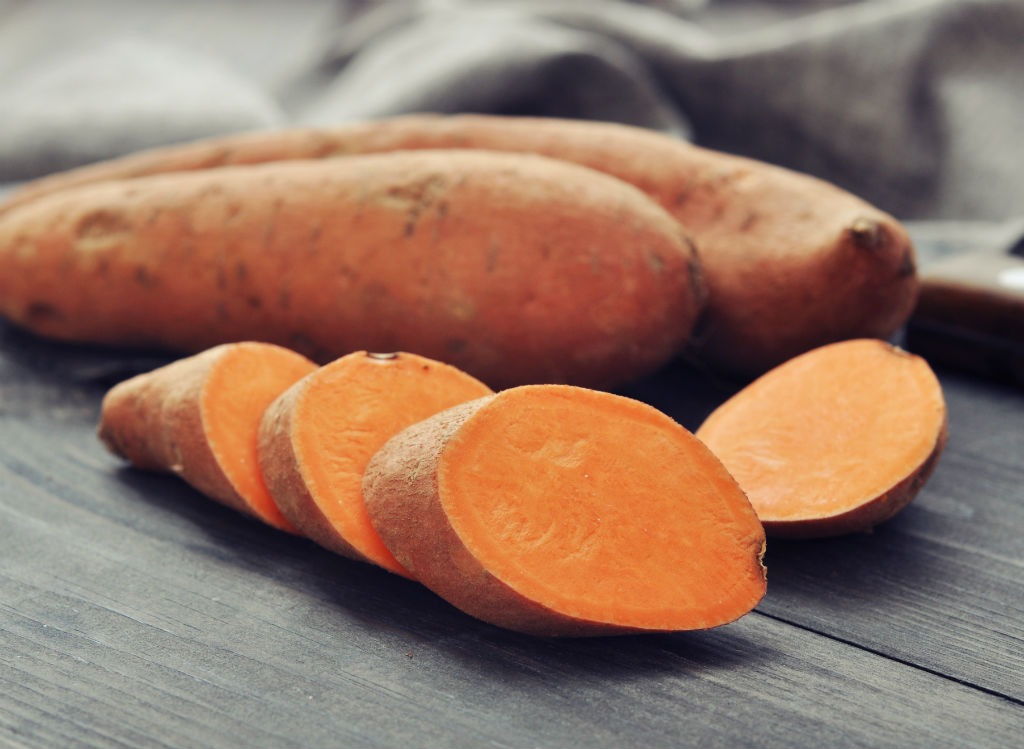
sweet-potatoes

What is resistant starch?
Resistant starch (RS) is a type of starch that is not digested in the stomach or small intestine, reaching the colon intact.  Simply put, it “resists” digestion. This explains why we do not see spikes in either blood glucose or insulin after eating resistant starch, and why we do not obtain significant calories from resistant starch.

There are four types of resistant starch:

  • RS Type 1 – Is found in grains, seeds and legumes and resists digestion because it’s bound within the fibrous cell walls;
  • RS Type 2 – Is found in some starchy foods, including raw potatoes and green (unripe) bananas;
  • RS Type 3 – Is formed when certain starchy foods, including potatoes and rice, are cooked and then cooled. The cooling turns some of the digestible starches into resistant starches via retrogradation;
  • RS Type 4 – Is man-made and formed via a chemical process.

However, this classification is not so simple, as several different types of resistant starch can co-exist in the same food.

Depending on how foods are prepared, the amount of resistant starch changes. For example, allowing a banana to ripen (turn yellow) will degrade the resistant starches and turn them into regular starches.

Where to find resistant starch
Resistant starch occurs in a number of natural foods. Some legumes, many tubers such as potatoes, and many fruits, especially unripe bananas and plantains.

There are several supplementary sources such as raw potato starch, plantain flour and tapioca starch. Raw (not sprouted) mung beans are also a good source of resistant starch, so mung bean starch (found often in asian grocery stores) can also work.

Food for your gut
Just like anything other living organism, your gut bacteria requires a food source. They need to eat to survive, and certain food sources are better than others. Simply put, resistant starch is a high quality food for your gut bacteria. This is the very basic, but most important function of resistant starch.

How does it work?

A healthy human gut has hundreds of bacterial species, outnumbering all other cells approximately 10 to 1. The overall balance of these bacteria has an important effect on health and wellbeing. Resistant starch resists digestion until it reaches the colon where it feeds your good bacteria.

The good bacteria feeds on resistant starch and produce short chain fatty acids, with butyrate being the most significant due its beneficial effects on the colon and overall health.  Butyrate is the prefered energy source for the cells lining the colon, it also has a role in increasing metabolism and decreasing overall inflammation.

Below are just some of the health related benefits backed by science to consuming resistant starch.

Improve gut integrity and overall gut function
As mentioned earlier, resistant starch improves the overall quality and functionality of your gut bacteria. It also inhibits endotoxins from getting into circulation and can reduce leaky gut, which could have a positive effect with regards to allergies and autoimmune conditions.

Improved insulin sensitivity
Consuming Resistant starch improves insulin sensitivity, even in people with metabolic syndrome.

Lowers the blood glucose response to food
A popular reason people avoid even minimal amounts of  dietary carbohydrate is the blood glucose response. It’s too high. Resistant starch lowers blood glucose spike after meals. This reduction may carry over to subsequent meals.

Reduces fasting blood sugar
This is one of the most commonly mentioned benefits of resistant starch. With a reduction in blood sugar levels, resistant starch may help you avoid chronic disease and improve your quality of life.

Increases satiety
In a recent human study, a large dose of resistant starch increased satiety and decreased subsequent food intake.

Enhanced magnesium absorption
Most likely because resistant starch improves overall gut function and integrity, resistant starch increases dietary magnesium absorption.

Consuming resistant starch may also have the following benefits:

  • Improved body composition;
  • Improved thyroid function;
  • Improved sleep.

Adding resistant starch to your diet

tinh-bot-khoai-tay
In a modern diet a person may only consume about 5g of resistant starch daily, compared to many traditional diets where 20g or 30g was consumed per day. You can add resistant starch to your diet by either consuming it from a food source or through supplementation.

Several commonly consumed foods are high in resistant starch. These foods include, raw potatoes, cooked and then cooled potatoes, yams, green bananas, various legumes, lentils and raw oats.

These foods are commonly high-carbohydrate foods, making them out of the question if you are following a low-carbohydrate nutrition plan. However, even if you are eating a low-carbohydrate diet, you can still see some benefit from consuming some resistant starch.

You can add resistant starch to your diet without adding any dietary carbohydrates. This is where our supplements, such as raw potato starch come in to the equation.

Raw potato starch contains approximately 8g of resistant starch per tablespoon and almost zero digestible carbohydrate.

It is cheap. It does have a fairly bland flavour, but it can be added into your diet in a variety of ways, such as by adding to foods, smoothies or mixing it with water.

Four tablespoons will give you about 32g of resistant starch. Like most supplements, it is important to build up, as too much too soon may have disastrous results.

There doesn’t seem to be any reason to consume much more than that anyway, as excess amounts seem to pass through your body when you reach about 50g per day.

The benefits of Magnesium

Magnesium (Chemical Element)

Magnesium is the fourth most abundant mineral in the human body and the second most common intracellular cation (positively charged ion) after potassium, magnesium is required for the healthy function of most cells in your body, especially your heart, kidneys and muscles.

Magnesium’s benefits can include reduced symptoms from conditions such as chronic pain, fatigue and insomnia. Magnesium may also provide protection from a number of chronic diseases, especially those associated with aging and stress.

Essential to life, necessary for good health, and a vital component within our cells, magnesium’s benefits help our bodies maintain balance, avoid illness, perform well under stress, and maintain a general state of good health.

What conditions can benefit from Magnesium?
Magnesium is known to reduce muscle tension, lessen pain associated with migraine headaches, improve sleep, and address neurological disorders such as anxiety and depression.

Conditions linked to magnesium levels include:

Pain:

  • Headaches;
  • Muscle cramps and spasms.

Mental health and sleep:

  • Anxiety;
  • Depression;
  • Autism and ADHD;
  • Restless Leg Syndrome;
  • Insomnia.

Other conditions:

  • Psoriasis, Acne and Eczema;
  • Asthma;
  • Hypertension (elevated blood pressure);
  • Diabetes;
  • Osteoporosis.

Magnesium works within our cells. The powerhouses, factories and regulators of the body’s systems.

Because it is a necessary part of hundreds of biochemical reactions occurring constantly inside our cells, magnesium’s presence or absence affects the brain, the muscles, and the heart and blood vessels.

The importance of Magnesium?
There are fifteen essential minerals required by our bodies to function properly. These can be divided into trace minerals, those required in very small amounts, and major minerals, those required in larger amounts.

The six major minerals required in excess of 250 mg per day include:

  • Calcium;
  • Magnesium;
  • Potassium;
  • Phosphorus;
  • Sodium;
  • Chloride.

Magnesium impacts nearly all of systems of the body due to its cellular and molecular function. It has vital role as a co-factor to over 300 enzyme functions.

Not only one of the most vital and essential enzyme co-factors, regulating more reactions than any other mineral, but magnesium is also responsible for two of the most important cellular functions: energy production and cellular reproduction.

Magnesium and heart health
Insufficient magnesium tends to trigger muscle spasms, and this has consequences for your heart in particular. This is especially true if you also have excessive calcium, as calcium causes muscle contractions.

Magnesium also functions as an electrolyte, which is crucial for all electrical activity in your body. Without electrolytes such as magnesium, potassium and sodium, electrical signals cannot be sent or received, and without these signals, your heart cannot pump blood and your brain cannot function properly.

The heart has the highest magnesium requirement of any organ, specifically your left ventricle. With insufficient amounts of magnesium, the heart simply cannot function properly. Elevated blood pressure, cardiac arrhythmia, cardiovascular disease (CVD) and sudden cardiac death are all potential effects of magnesium deficiency and/or a lopsided magnesium to calcium ratio.

This systematic review and meta-analysis published in 2013,  concluded that circulating and dietary magnesium are inversely associated with CVD risk. Simply put, this means the lower your magnesium intake (and the lower the circulating magnesium in your body), the higher your risk for CVD.

Other notable effects include:

  • Is an important factor in muscle relaxation and heart health;
  • Creating energy in your body by activating adenosine triphosphate (ATP);
  • Allows nerves to send messages in the brain and nervous system;
  • Aids and regulates the body’s use of calcium and other minerals;
  • Assists in bone and teeth formation;
  • Regulates the metabolism of nutrients such as protein, nucleic acids, fats and carbohydrates;
  • Regulates cholesterol production and helps modulate insulin sensitivity;
  • Assists in energy production, DNA transcription and protein synthesis;
  • Maintains the structural health of cell membranes throughout the body.

Foods high in Magnesium
Magnesium in food sources were once commonly consumed, but have diminished in the last century due to industrialized agriculture and a shifting to more modern westernized diets. Below is a list of foods that are high in dietary magnesium:

  • Pumpkin Seeds;
  • Spinach;
  • Swiss Chard;
  • Dark Cocoa Powder;
  • Almonds;
  • Coffee.

Who should supplement with Magnesium?
Magnesium has been linked to reduced incidence of common conditions such as high blood pressure, diabetes, and metabolic syndrome in large peer-reviewed, long-term studies.

Studies today focus on whether active magnesium supplementation may be one of the missing links to preventing these diseases, as well as several disorders affecting the brain, muscles and skin.

The good news is that magnesium supplementation is a safe and effective way for most people to ensure they are getting enough magnesium to stay healthy, before deficiencies arise.

How much Magnesium to supplement
While the RDI for magnesium is around 310 to 420 mg per day depending on your age and sex, many experts believe you may need around 600 to 900 mg per day.

The 10,000 swing workout

chalkandkb-1024x500

In a nutshell

  • Challenge yourself with four weeks or five of intensive kettlebell swinging to test your grit and improve body composition;
  • At the completion of the program, you will have done 10,000 kettlebell swings dispersed throughout 20 workouts. You’ll do 500 swings per workout;
  • Between sets of kettlebell swings, do one of the following: chin-ups, goblet squats, dips, or overhead presses;
  • Master your kettlebell swing pattern. It’s not a squat. It’s a hip hinge and a hip snap. Your arms should not travel above your shoulders.

Making progress with training
As humans, we thrive when we push our boundaries, reach goals, and beat our personal records. If we’re performing faster, fitter and stronger, we tend to feel more alive.

So, if you want to improve, you have to seek out new challenges, struggle, adapt and overcome.

The 10,000 kettlebell swing workout is a challenge that will rapidly transform your overall body composition in just four or five weeks.


The Program
In four or five weeks, the athlete is going to perform 10,000 proper kettlebell swings. These will be split over 20 workouts. That is 500 swings per workout.

Between sets of swings, the athlete performs a low volume, strength movement. Training either four or five days per week. Training two days on, one day off, then repeat.

  • Men should use a 24kg kettlebell;
  • Women should use a 16kg kettlebell.

Breaking it down. Swing clusters, sets and repetitions
Following this repetition scheme to reach 500 total swings per workout:

  • Set 1: 10 swings;
  • Set 2: 15 swings;
  • Set 3: 25 swings;
  • Set 4: 50 swings.

That is 100 swings completed, or one cluster. Repeat the cluster another four times and you will have completed you’re daily total of 500 swings. Between sets is where more conditioned or experience athletes can add a low volume strength movement.

The strength movements
Use a strength movement with low volume between sets of swings. Some of the best movements are:

  • Overhead Press;
  • Dips;
  • Goblet Squat;
  • Chin-up.

Other movements to consider could be a front squat, weighted pull-ups or even muscle-ups. This is where you can really personalise your program. I would stay with presses or pulls. It is fair to say that after 500 swings per day, you probably won’t feel like adding any extra hip hinge work.

Use a 1-2-3 repetition scheme for most movements. Here is an example using the overhead press:

  • 10 swings
  • 1 press
  • 15 swings
  • 2 press
  • 25 swings
  • 3 press
  • 50 swings
  • Rest for 60 sec.

For the strength movements, use your five repetition max weight. If you’re conducting dips, use a 2-3-5 repetition scheme.

If you choose to lift five days in a week, conduct strength movement on four of the days and pick a day where you will only conduct the swings.

You can use a different strength movement each workout, rotating through the movements mentioned earlier. My preference is to use two days of both overhead presses and pull-ups.

Only use a single strength movement each workout.

Rest
After each set of 10, 15 and 25 repetitions, rest for 60 seconds. After each set of 50 repetitions, extend your rest to three minutes. During this longer rest period, perform some corrective work. Conduct stretches as required, such as in the hips, or lower back. Add in some mobility movements to keep your body loose.

Here is what a sample week could look like:

Day 1

  • 10 Swings
  • Press 1 rep
  • 15 Swings
  • Press 2 reps
  • 25 Swings
  • Press 3 reps
  • 50 Swings
  • Rest 30-60 seconds; repeat 4 more times.

By the end of the workout, you’ll have completed 500 swings and 30 presses.

Day 2

  • 10 Swings
  • Chin-up 1 rep
  • 15 Swings
  • Chin-up 2 reps
  • 25 Swings
  • Chin-up 3 reps
  • 50 Swings
  • Rest 30-60 seconds; repeat 4 more times.

By the end of the workout, you’ll have completed 500 swings and 30 chin-ups.

Day 3 – Rest

Day 4

  • 10 Swings
  • Press 1 rep
  • 15 Swings
  • Press 2 reps
  • 25 Swings
  • Press 3 reps
  • 50 Swings
  • Rest 30-60 seconds; repeat 4 more times.

By the end of the workout, you’ll have completed 500 swings and 30 presses.

Day 5

  • 10 Swings
  • Chin-up 1 rep
  • 15 Swings
  • Chin-up 2 reps
  • 25 Swings
  • Chin-up 3 reps
  • 50 Swings
  • Rest 30-60 seconds; repeat 4 more times.

By the end of the workout, you’ll have completed 500 swings and 30 chin-ups.

Day 6 – Rest

Day 7 – Rest, or begin the cycle again

Swing Technique
There are several variations to complete the kettlebell swing. The two main variations being the American Swing, as seen in Crossfit workouts, and the Russian Swing.

The major difference between the two variations is that the Russian Swing is primarily a hip hinge movement with the kettlebell reaching to roughly chest height, and that the American Swing there is a secondary movement where the kettlebell is pulled overhead.

While there are uses for both variations of kettlebell swings, we will focus on the Russian Swing for this program.

The condition:

Swing the kettlebell between your legs and then in front of you up to chest level for repetitions.

The swing standard:

  • Maintain the box-squat alignment during swings and when picking up or setting down the kettlebell:
    • Keep your head up;
    • Keep a straight – not to be confused with “upright” – back;
    • Sit back, rather than dip down.
  • Extend the hips and knees fully on the top: the body must form a straight line;
  • The kettlebell must form an extension of the straight and loose arm(s) on the top of the swing.

What is next?
Firstly, congratulate yourself for completing this program. If done correctly, it can be  quite the challenge. Well done.

You’ll most likely be in much better shape than you were four or five weeks ago and you should be ready for the next challenge.

Keep swinging.

Natural ways to your lower blood pressure

bluthochdruck

Your blood pressure is measured in millimeters of mercury (mm Hg). There are two numbers involved in the measurement:

  • Systolic blood pressure. The top number represents the pressure in your blood vessels when your heart beats.
  • Diastolic blood pressure. The bottom number represents the pressure in your blood vessels between beats, when your heart is resting.

Your blood pressure depends on how much blood your heart is pumping, and how much resistance there is to blood flow in your arteries. The narrower your arteries, the higher your blood pressure.

Blood pressure that is measured lower than 120/80 mm Hg is considered normal.

Blood pressure that’s 130/80 mm Hg or more is considered high. If your numbers are above normal but under 130/80 mm Hg, you fall into the category of elevated blood pressure. 

In 2012-13, 6 million (about 34%) Australians, aged 18 years and over had hypertension, defined by having blood pressure ≥140/90 mm Hg, or were taking an antihypertensive medication.

The good news about elevated blood pressure is that lifestyle changes can significantly reduce your numbers and lower your risk. Without the requirement for medications.

Here a several ways to naturally lower your blood pressure:

Losing some extra weight (if overweight)
If you’re overweight, even dropping a few kilograms can reduce your blood pressure. You will feel better and you’ll also be reducing your risks from other medical problems.

This meta-analysis in 2016 reported that diets resulting in weight loss lowered blood pressure by an average 4.5 mm Hg systolic and 3.2 mmHg diastolic.

Exercise and physical activity 

temo-run-exercise
There is strong epidemiological evidence that regular physical activity and moderate to high levels of cardio-respiratory fitness provide protection against hypertension and all-cause mortality in both normal and hypertensive individuals.

Regular aerobic exercise has been shown to lower systolic and diastolic blood pressure by up to 3.2 mm Hg and 2.7 mm Hg, respectively.

This doesn’t always mean that you have to go out and run marathons or spend over 15 hours in the gym per week. An increase in physical activity can be a combination of common activities such as running or weight training. It just as easily be adding incidental physical activity to your daily routine, such as:

  • Taking the stairs instead of the lift;
  • Walking over driving;
  • Playing with a child or pet.

Adding 30 minutes per day is all that is required to make a difference.

Dietary modification
Making smart changes to your diet such as cutting back on sugars and refined carbohydrates can help you both lose weight and lower blood pressure.

This 2012 analysis of low carbohydrate diets and heart disease risks found that these diets lowered systolic and diastolic blood pressure by 4.81 mm Hg and 3.10 mm Hg respectively.

Another benefit of lower carbohydrate diets are that you generally feel fuller for longer as you’re eating more dietary protein and fats.

Eating a diet high in dietary carbohydrate from processed or refined sources without adequate physical activity can lead to unwanted weight gain, elevated blood glucose and higher blood pressure scores.

Modern diets have increased most people’s sodium intake, while decreasing overall potassium intake. Eating more potassium rich foods such as sweet potatoes, white potatoes, tomatoes, bananas and rock melon can help lower blood pressure by normalizing the sodium/potassium ratio of the body.

Eat some dark chocolate

How-to-Enjoy-Dark-Chocolate-in-a-Diabetes-Diet-1440x810
Dark chocolate (at least 70%) has been shown to reduce blood pressure. Eating about 45 g per day may help lower your risk of heart disease by lowering blood pressure and inflammation.

Supplement your diet
Adding these dietary supplements can assist in lowering your blood pressure:

  • Omega-3 fish oils;
  • Whey protein (from grass-fed cows);
  • Magnesium;
  • CoEnzyme Q10;
  • Citrulline.

Quit smoking
Despite the smoking rate in Australia decreasing over the past two decades, 14% of Australians aged 15 and over are still daily smokers.

On average, a smoker’s life expectancy is up to 10 years less than non-smokers, and 60% of long-term smokers will die prematurely from a smoking-related disease. Giving up smoking has been shown to reduce blood pressure and overall heart disease risk.

Reduce alcohol consumption
Alcohol should always be looked at as a moderation food. It can elevate blood pressure in healthy individuals. Alcohol can raise your blood pressure by about 1.5 mm Hg for each standard drink.

Moderate drinking is considered to be no more than two standard drinks per day.

Cutting back on life stressors

5678e670e0e9bb9abf9587985df1daf2
Modern westernised society is full of external stressors. Family, financial, social and workplace demands are just some of the factors contributing to elevated stress levels. Finding ways to reduce your stress is equally important to your overall health as it is to your blood pressure.

There are many ways to reduce stress, all you need to do is find which methods work best for you. Here are just a few ways:

  • Meditation and yoga;
  • Practice deep breathing;
  • Spending time in the sauna;
  • Reading a book;
  • Taking a walk;
  • Watching a comedy;
  • Listening to music.

Quality sleep
Blood pressure will naturally lower while you’re sleeping. If you’re not getting quality sleep, it can affect your blood pressure. People of experience sleep deprivation, especially those in middle-age, can be at an increased risk of elevated blood pressure.

Not everybody is able to get a good nights sleep with ease. However, there are ways that can help set you up for some restful sleep. A regular sleep schedule (going to bed and waking up at similar times daily), less time on electronic devices in the evening, exercising during the day and making your bedroom dark at night can help improve your sleep quality.

Many experts suggest that the sweet spot for optimal sleep is somewhere between 7 and 9 hours of sleep per night.

Final thoughts
If you do suffer from hypertension, some of these strategies can be of benefit. However, talk with your doctor about possible solutions to might work best for you to reduce your blood pressure without the use of medications.

Why you should be eating bananas

bananas1

Why it’s a superfood?

  • High in vitamins B6 and C, fiber, potassium, mangansese;
  • Good source of riboflavin, folate, magnesium, copper;
  • Contains antioxidant phenols.

Healthy evidence
One of the reasons eating bananas is beneficial is because bananas are high in potassium. Potassium is an electrolyte and we require it to help our bodies function optimally. One banana contains more than 300mg of potassium. The recommended daily intake according to the National Health and Medical Research Council is 3,800mg per day for males and 2,800mg per day for females.

Bananas are high in potassium, a mineral that promotes heart health and normal blood pressure. This meta-analysis published in 2011, found that a daily consumption of 1,300-1,400mg of potassium is linked to 26% lower risk of heart disease.

In addition, bananas contain antioxidant flavonoids that have also been associated with a significant decrease in the risk of heart disease.

Making the most of Bananas
The high content of heat-sensitive and water soluble vitamins B6 and C means that fresh bananas are the best choice (vitamin B6 may decrease by as much as 50% if heated). For added nutrients, combine bananas with fruit high in vitamin A, such as mango or peach and mix with cottage cheese to add slow digesting protein.

Bananas and athletic performance
The unique mix of vitamins, minerals, and low glycemic carbohydrates in bananas has made them a favorite fruit among endurance athletes.

Bananas have long been valued by athletes for prevention of muscle cramps. Since bananas are a good source of potassium, and since low potassium levels are known to contribute to risk of muscle cramps, it is logical to think that the potassium content of bananas as being a contributing factor for a reduction in muscle cramps whilst conducting physical activities.

When is the best time to eat bananas
Generally, the taste and nutritional value of bananas change as they ripen.

Pre-ripened bananas tend to have greener skins and are less sweet than well-ripened bananas because the starch hasn’t fully broken down into simple sugars. The upside to eating pre-ripened bananas is that you stay full for longer and enjoy the benefits of the resistant starch.

On the other hand, a well-ripened banana with some dark patches on the skin is easier to digest and may give you the energy boost you require before playing sports.