Eat fresh wholefoods that we were evolved to eat. Usually three times a day but occasionally skip a meal, let hunger dictate your meals. Workout with short and intense resistance sessions a few times a week. Walk, play and stay active.
– Arthur De Vany, Ph.D.
Arthur De Vany, Ph.D. In his 70’s, is 6ft 1in, weighs approx 190lbs and has about 10% body fat.
Arthur De Vany believes that we have virtually the same genetic makeup as our Paleolithic ancestors who lived 40,000 years ago. The problem, he and many others believe, is that our environment has changed dramatically.
De Vany contends that we would be healthier, fitter, and live longer if we adopted a modern version of the Paleolithic lifestyle. Having spent more than 30 years studying and practicing how to do that, he is regarded by many as the “grandfather” of the Paleo movement.
In this post I am going to sum up some of his basic principles and show you how to get started working out and eating how we evolved to for optimal health.
Nutritional Philosophy
To call a [low-carb] diet on which humans lived for millennia a fad is just ignorant. In fact, it is the modern fad of eating a high carb, high grain, high sugar diet that is harmful.
Arthur De Vany, Ph.D.
Cook by colour and texture so that meals look beautiful. If busy, skip meals with little worry. You don’t have to have three square meals a day. Snack on nuts or celery. Drink plenty of water. Also drink tea, coffee and a little wine.
Basically, eat animal proteins, vegetables, fruits, nuts and seeds. Full fat diary is fine if tolerated.
Carbohydrates
Avoid bread, muffins, bagels, pasta, white potatoes, cereals, vegetable oils, beans or anything in a package.
These foods are empty, high-calorie foods that are not only detrimental to your health, but are of no dietary requirement to the body.
Fats, Herbs and Spices for Flavour
Spice up your food with fresh ingredients such as basil, cayenne, garlic, parsley, rosemary, spring onions or tumeric.
Avocados, nuts and seeds, and use oils, such as coconut, macadamia and olive oil, for flavor.
Celery adds texture (and is good for testosterone too).
Fruits
Fresh fruits and berries of all sorts are good; They are good source of vitamins, minerals, fiber and antioxidants. De Vany focuses on melon and red grapes. Fruit juice is out.
I personally have one or two pieces of fruit most days. Mostly bananas or apples, as they’re readily available to me. I do rotate as different fruits and berries come in and out of season.
Fruits are one of the best ways for quick fresh energy.
Vegetables
Eat lots of fresh raw, steamed, sauteed or grilled vegetables. Try not to use frozen, canned or packaged vegetables, although they are generally better than no vegetables.
Protein
Eat plenty of meat, such as ribs, steak, bacon, pork loin, turkey and chicken, but trim excess fat from the edges. Fish, seafood and eggs are also excellent choices. Don’t forget your organ meats, liver is one of the most nutrient dense foods available.
Try to have protein with most meals as it will improve satiety and keep you feeling fuller longer.
Intermittent Fasting
Our ancestors lived with feast and famine. Research indicates that chronic or intermittent fasting improves health. I do it the easy way. Never chronically; your mind and body will not accept it. And you will lose vital lean body mass; muscle and organ mass. Easy intermittent fasting is skipping meals randomly and eating to fill later.
Don’t be afraid to skip a meal and prolong your overnight fasts, I often workout first thing in the morning totally fasted (maybe a cup of coffee and some BCAA’s) and do not eat for up to an hour afterwards.
This is great for Growth Hormone release and will boost lean muscle growth and accelerate fat loss.
Training Philosophy
Physically and genetically, we are built to run fast and climb trees easily. But few of us over the age of 11 do so. Which is why we’re now at the gym.
– Arthur De Vany, Ph.D.
DeVany is an advocate of intense intermittent training, keeping your workouts short and simple training with weights for no more that a couple 20-30 minute short intense sessions a week. He has based his training model on Power Law Training. You can read De Vany’s paper titled Evolutionary Fitness here.
The Rules
Follow the “15-8-4″ routine:
Do a set of 15, a set of 8, and a set of 4 repetitions for each exercise using progressively more weight on the latter two sets if you can.
Keep moving:
Do not rest between sets or exercises. Try to average 10-15 seconds (or as long as it takes to set up the next exercise) in between sets.
Keep your workouts very short and intense:
Get in and out of the gym in 45 minutes or less.
Work out no more than once or twice a week:
Pick a random day and don’t do it on the same day always.
Exercise the major muscle groups:
Conduct exercises such as the dead lift, squat, bench press, bent over row, upright row, overhead press and farmer’s walks.
Body weight exercises like the pushup and pullup.
Do free body exercises at a fairly fast pace during the concentric phase and a rather slower pace during the eccentric phase.
Protect your heart:
Do not grip things too hard and stay loose so the blood flow is not constricted by clenched hands and teeth.
Don’t hold your breath, and be sure to exhale as you push or pull the weight.
Protect your spine:
Do the abdominal brace, contracting the erectors of the back and pushing the abdominal muscles out a bit and contracting them.
Maintain the curvature of your spine and pivot from the hips rather than bending the spine.
Use your legs versus your back when lifting and don’t be afraid to use lower weights – especially with dead-lifts.
Hanging Ab Sets:
Find a pull up bar and hang from it with your knees at waist level. Hold as long as you can. Repeat 2 more times.
Standing Crane:
A yoga balance-building move where you stand on one leg, stretch the other leg out behind you, and position your body parallel to the floor.
De Vany doesn’t believe in long cardio work like mid level intensity jogging and prefers to walk, hike and play sports to keep that side of fitness in check.
He also recommends high intensity, short duration sprint work on occasion to add variation to your training. This will promote specific hormone drives that quench hyperinsulinemia and build muscle and bone density that keep you young and lean.
In a Nutshell
Eat fresh wholefoods that we were evolved to eat (Art is not a believer in starchy foods);
Usually three times a day but occasionally skip a meal, let hunger dictate your meals;
Workout with short and intense resistance sessions a few times a week;
Walk, play and stay active.
The beauty of the Evolutionary Fitness model that De Vany has created is that it seems so simple but it allows so much room for adaptation to your own needs. This article is a very basic summing up of the principles and there is a lot more to it and a lot more one can learn.
You can check out his book, The De Vany Diet here.
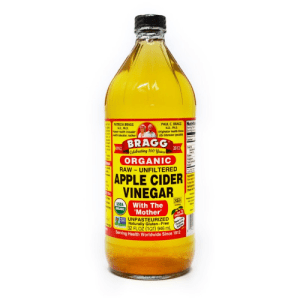
What is apple cider vinegar?
People have used apple cider vinegar (ACV) for thousands of years. Everyone from the ancient Babylonians to the Greeks used it as a cure-all for all kinds of health ailments.
Like coconut oil and grass-fed butter, ACV is enjoying a comeback among people who care about their health.
Vinegars are a product of fermentation. This is a process in which sugars in a food are broken down by bacteria and yeast. In the first stage of fermentation, the sugars are turned into alcohol. Then, if the alcohol ferments further, you get vinegar. ACV comes from pulverized apples.
ACV contains is acetic acid, which helps get rid of harmful bacteria and fungi in the gastrointestinal tract. This helps the digestion and absorption of nutrients from food in the intestines.
10 reasons to use apple cider vinegar
It helps the body maintain a healthy pH level. You would think it would be acidic but in fact it helps bring your body into a more alkaline state;
The alkaline effect of ACV also helps detoxify the liver, which makes it a great tonic when detoxing;
It can help you lose weight. ACV works by correcting acid issues. It acts as a buffer in the body – the acetic acid reacts with base or acid compounds to form an acetate, therefore rendering them chemically bioavailable for the body’s utilization;
It’s great for your lymphatic system. It helps break down mucus throughout the body and cleanse the lymph nodes. This also means it’s great when fighting a blocked nose or sinus infection;
It helps improve gut flora and aids digestion. It is also said to clear up chronic acid reflux when taken with each meal;
ACV is full enzymes that can help rid your body of Candida due to the malic acid and acetic acid (mentioned above);
It makes a wonderful tonic for bad breath (halitosis). Dilute in warm water and gargle it morning and night;
It boosts your immune system due to its antibacterial properties;
It is great for your skin. Apply it topically for immediate benefits: dilute ACV with water and using a cotton pad apply as a toner or dab directly onto blemishes to dry them out; and
Thickens your hair and makes it shine: Fill an old shampoo bottle with 1/2 a tablespoon of ACV and a cup of cold water. Pour the solution through your hair after shampooing several times a week.
Hot tip
Heartburn and digestive issues are two of the most common health complaints today. They are some of the standard symptoms that result from the modern westernised diet, which can result in not enough stomach acids being produced by the body (ie: hydrochloric acid).
By adding raw ACV to your diet, you can help your stomach create enough acid to start the digestion process and kill off harmful microbes.
Giving your digestion a boost is easy. Just add ACV to your salad dressings or drink some raw, unfiltered ACV diluted with water about 20 minutes prior to meals.
Cauliflower, like broccoli is a member of the cruciferous family, contains an impressive array of nutrients, including vitamins, minerals, antioxidants and other phytochemicals.
Antioxidants are nature’s way of providing your cells with an adequate defense against attack by excessive amounts of reactive oxygen species. Without an adequate supply of antioxidants to help suppress excess free radicals you raise your risk of oxidative stress, which leads to accelerated tissue and organ damage.
Why it’s a superfood?
High in Vitamins C and K;
Good source of Vitamin B6, folate, fiber, manganese, potassium, sulforaphane and omega-3 fatty acids.
Healthy evidence
Numerous studies have linked sulforaphane to reduced cancer rates in humans. A study in the Journal of Nutrition reported that treating liver cells with compounds contained in cauliflower reduced the production of lipids that increase heart disease risk when present in high levels in the blood. Other studies have reported that high intake of cauliflower was associated with a lower risk of an aggressive form of prostate cancer.
Here are some of the science backed health benefits of cauliflower:
Fights cancer;
Heart health;
Lowers inflammation;
Supports detoxification;
Improves digestion.
Making the most of Cauliflower
The best way to eat cauliflower is raw in fresh salads, as this will retain the vitamin C and other water-soluble nutrients. Cauliflower can be used as a great substitute for potatoes in low carbohydrate nutrition plans.
Steaming cauliflower better preserves the anti-cancer compounds rather than boiling. Better again is a healthy saute. This is done by bring either some bone broth (beef or chicken) or water to boil in a pan then lightly saute the cauliflower florets for approximately five minutes.
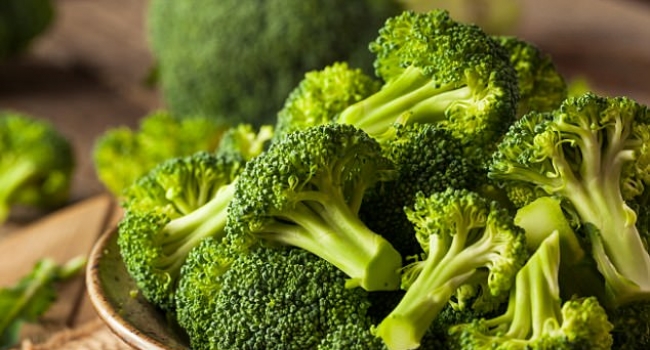
Vegetables have an impressive way of offering a widespread benefits to your health. Broccoli is no exception. When you’re eating broccoli, you’re getting dozen, maybe even hundreds, of super-nutrients that support optimal health and performance.
Why it’s a superfood?
High in Vitamins A, C and K, along with fiber and folate;
Good source of magnesium, manganese, potassium, sulforaphane, quercetin and other antioxidants.
Healthy evidence
Broccoli contains phytochemicals. It is high is the flavonoid quercetin and in sulforaphane, both protect the body against cancer. Potassium and folate also help prevent cardiovascular disease. Other antioxidants provide anti-bactierial and anti-viral activity.
Here is a short list of some of the science backed health benefits of broccoli:
Arthritis;
Cancer;
Blood pressure and kidney disease;
Anti-aging and immune system health;
Heart health, especially for diabetics.
Making the most of Broccoli
Broccoli’s phytochemicals and heat sensitive nutrients such as folate are best retained by either not cooking, steaming or lightly sauteing.
Boiling Broccoli reduces the level of active anti-carcinogenic compounds, with losses of approx 20% after 5 min and 40% after 10 min.
Another way to enjoy the many health benefits of broccoli is by eating its sprouts. Fresh broccoli sprouts are FAR more potent nutrient dense than mature broccoli. They have about 50 times the amount of cancer fighting power of mature broccoli.This means more bang for buck.
Broccoli sprouts can be grown at home quite easily. They don’t have to be cooked and can be added to salads.




 David Marcato