The evolution of the human diet

Noel-Garvan-column-image

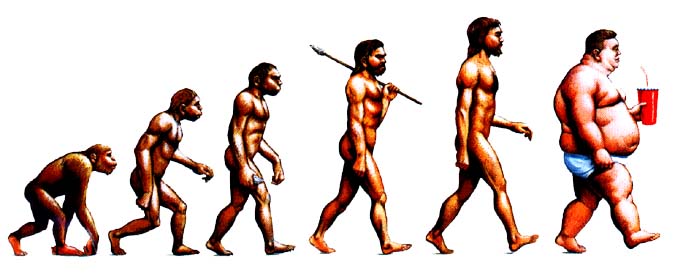
The human diet has changed quite dramatically throughout our history. From opportunistic scavengers, to traditional hunter-gatherers to the postindustrial age.

There have been obvious advantages with the evolution of modern society, however the majority of changes in the human diet that accompanied both the Agricultural and Industrial Revolutions, affected the general health of modern humans, and not always in a good way.

Let’s have a look.

The Paleolithic era (2.6 million years ago – 10,000 years ago)
As hunter-gatherers, the general diet was varied due to differences in geographical location and season, however they all consisted of wild animal and plant sources.

Macronutrient distribution was approximately:

  • Protein: 19-35%
  • Fat: 28-58%
  • Carbohydrate: 22-40%

Other characteristics of hunter-gatherer diets included:

  • Low glycemic load;
  • High antioxidant capacity;
  • High micronutrient density;
  • Equal Omega-3 to Omega-6 ratio;
  • Close to equal Sodium to Potassium ratio.

Did hunter-gatherers eat grains and grasses? Probably. Did they eat them often? Unlikely. The effort required to consume unprepared grains or grasses would have been too taxing on the digestive system, which would have likely led to decreased performance and not enough of an energy return to warrant regular consumption.

As a result, hunter-gatherers were generally lean and strong, with dense bones and broad dental arches. Health biomarkers such as blood pressure and cholesterol were generally normal into advanced age.

Evidence suggests that the incidence of diet related disease was low.

The Agricultural Revolution (about 10,000 to 12,000 years ago)
Archaeological data indicates that the domestication of various types of plants and animals started happening in separate locations worldwide around 12,000 years ago.

The transition from a lifestyle of hunting and gathering to one of agriculture and settlement, made larger populations possible. This however, greatly narrowed the diversity of foods available, resulting in a downturn in human nutrition.

Grains and dairy products from sheep started to become dietary staples at the expense of larger wild animals.

As a result, common characteristics of early agricultural diets, compared to hunter-gatherer diets included:

  • Higher carbohydrate, diary fats, milk sugars and alcohol;
  • A decrease in protein intake;
  • A decrease in Omega-3
  • A decrease in antioxidants and micronutrients;
  • Higher overall caloric density;
  • Higher glycemic loading;
  • Higher sodium to potassium ratios.

The transition to an agricultural dietary pattern led to a decrease in lifespan, a reduction in height, an increase in dental health problems, iron deficiency anemia, and several bone mineral disorders.

These health issues can be still seen today in hunter-gather communities that have only recently been exposed to post-agricultural diets.

The Industrial Revolution (about 250 years ago) and Modern era (the last 50 years)
The introduction of novel foods with the industrial revolution altered several nutritional characteristics of human diets, which has had far-reaching adverse effects on human health.

Extensive evidence shows that the consumption of westernized modern era diets adversely affects gene expression, immunity, gut microbiota and increases the risks of developing cancer, heart disease, obesity, type-2 diabetes, and a plethora of other chronic health conditions.

Common characteristics of industrial and modern era diets, compared to hunter-gatherer diets include:

  • Higher carbohydrate, alcohol, trans-fats, sodium & omega-6;
  • Lower in fiber, antioxidants, protein and omega-3;
  • Higher glycemic load;
  • Higher energy density;
  • Lower micronutrient density;
  • Higher sodium to potassium ratio.

Even with the advances in medicine and technology, it has been estimated that the next generation will be the first in over one thousand years to actually have a shorter lifespan average than the current generation.

Many of the diet related diseases of the modern era can be reversed by increasing daily physical activity and modifying diet by eliminating known inflammatory foods. The issue however, is figuring out how to implement these changes at population-wide levels.

Simple Strength 1-2-3

It’s not heavy weights that build muscle. It’s not high reps that build muscle. It’s heavy weight with high reps that builds muscle.

– Tom Platz (former American professional bodybuilder)

barbell-1024x683-1

Often people try to over complicate everything in life. Tell somebody to define “clean eating” and they will need a 500-page book to explain it, when a simple eat some animal protein at most meals with a variety of vegetables will do. The same applies to the terms “get stronger” or “get in shape”, where it could take multiple books, depending on the discipline to flesh out the finer points.

Getting strong is not that complicated. It is however, hard work.

One of the simplest ways to achieve this is the “one-two-three” method.

How it works
Pick a movement:

  • Push: Bench or Overhead Press;
  • Pull: Pull-up;
  • Hinge: Deadlift;
  • Squat: Front or Back Squat.

Select a load that you can complete five repetitions. It will vary from person to person, but generally it would be about 80% of the individuals max. Now, follow this format:

1-2-3

Complete a single, rest a few seconds, complete a double, rest some more, then complete a triple. That will be a total of six repetitions completed with excellent form. For a more solid workout, run through this method up to three times:

1-2-3-1-2-3-1-2-3

That is 18 repetitions in a set using a weight that you would normally use for five repetitions!

Rules
Focus on the major movements Push, Pull, Hinge and Squat. Basically, compound multi-joint exercises are best.

Never miss a repetition and don’t chase fatigue. You want to be fresh for each repetition, so rest as long as required. If you have a training partner, the simple “I go, you go” method will be fine.

The weight should feel light and easy. There is no requirement to figure out loading percentages. Just adjust the load by “feel”. The idea here is to increase the effortless efforts to increase your best effort.

Let the volume do the work. Often under appreciated, building muscle mass, getting strong and lean takes time and effort. If you want more strength, you will need a lot of clean repetitions with crisp technique to teach the nervous system to eventually lift the larger loads.

Programming
An easy way to implement this method is to supplement it into your normal training using the 1-2-3 repetition scheme for a chosen movement, one to three days per week.

I have personally found that using this ladder method does wonders for increasing the Pull-up, and have found good results experimenting with other major lifts like the Overhead Press and Deadlift.

Being stronger in these lifts is the secret to power, mass and leanness.

What is DHA?

RUS-01743_DHA_Strawberry_90ct

Docosahexaenoic Acid (DHA) is a specific type of omega-3 fatty acid.

Found naturally occurring in certain fish (with emphasis on mackerel, salmon, herring, and sardines), it has been shown to be one of the most potent health boosters on the entire planet.

Structure
DHA is what is known as a ‘Long-Chain Omega-3 Fatty Acid’, as it is 22 carbons long, and has 6 double bonds (making it physically long in structure compared to other fatty acid molecules).

epa-and-dha-structure

DHA and the evolution of the human brain
An important turning point in human evolution was the discovery of high-quality, easily digested nutrients from coastal seafood and inland freshwater sources.

Previously, Neanderthals sourced protein predominantly from the red meat of wolves, large feline and hyenas. The is little to no evidence of fresh water aquatic species or marine sources of protein in the bone collagen of Neanderthal specimens.

In comparison, seafood consumption of early modern humans was a nutritional staple. Depending on geographical region, freshwater or marine sources of protein made up between 10-50% of the diet for these populations.

Freshwater sources occurred along rivers and included fish and/or water fowl and marine sources were coastal and included fish, shellfish and small slow-moving animals such as turtles or tortoises.

This study suggests that the discovery, and subsequent multi-generational exploitation of aquatic and marine food sources coincides with the rapid expansion of the brain that is unique to modern humans.

This exploitation coincided with a rise in cognitive development leading to a more elaborate enrichment in material culture, such as personal ornamentation, decoration of burials and pottery figurines.

Benefits of DHA in the diet
Supplementation of DHA has been shown to have profound effects on health, wellbeing and overall performance. Due to its somewhat broad influence throughout the body, these effects can impact a number of physiological systems, boosting health in a variety of ways.

DHA has a positive effect on diseases such as hypertension, arthritis, atherosclerosis, depression, adult-onset diabetes mellitus, myocardial infarction, thrombosis, and some cancers.

Brain health
The human brain requires somewhere between 20 and 30% of the body’s available energy. It is even higher during the early years of life. Both EPA and DHA are responsible for many of the brain’s unique cognitive capacities and advance brain functions.

As DHA makes up about 30% of our brain matter and approximately 50% of retinal structure in our eyes, it stands to reason that its consumption has the potential to impact our brain health and eye health. This has been well supported within the scientific literature.

Consumption of DHA has been shown to protect against age related declines in brain health, brain size, and associated reductions in neural function. With this has come an increase in performance during cognitively driven tasks, in conjunction with improved memory, and an improved capacity for learning.

DHA supplementation has also been shown to have a preventative effect on both dementia and age related cognitive decline, ensuring our mental function well into older age, while significantly reducing our risk of Alzheimer’s and Parkinson’s.

Heart health
DHA has the potential to improve the state of the body’s cells, while simultaneously reducing harmful inflammation throughout the entire body.

Through these two mechanisms, the supplementation of DHA can cause significant reductions in blood triglycerides, blood pressure, and ‘bad’ cholesterol (LDL cholesterol).

DHA has also been shown to reduce cardiac arrhythmias.

As a result, the consumption of DHA can greatly improve our cardiovascular health and function, significantly reducing our risk of developing heart disease and diabetes.

In summary
DHA is one of the most important nutrients within the entire body, where it is used to make the cell membranes of literally every cell in the body, while also acting as a key structural component for tissues found in the brain, eyes, and skin.

With this in mind, its supplementation can improve brain health, increase cardiovascular function, and cause significant improvement in eye health and function. Making it one of the most effective supplements on the market.

The case for taking a walk after you eat

walk

At the end of a long day, it can be very tempting to dive into social media or Netflix the minute you’ve finished eating. But back before screens consumed all of our free time, an after-dinner stroll was a popular activity and one associated with improved health and digestion. 

Research backs this up. This study found that when older adults at risk for type-2 diabetes walked on a treadmill for 15 minutes after a meal, they had smaller blood sugar spikes in the hours afterwards. In fact, the researchers found that these short post-meal walks were even more effective at lowering blood sugar after dinner than a single 45-minute walk taken at mid-morning or late in the afternoon.

Simply put, the human digestive system breaks down and converts food into glucose, which is one of the body’s main energy sources. So after a meal, glucose floods a person’s bloodstream. For most people, this is at its highest about 45 to 60 minutes after eating.

Hormones like insulin help transport that glucose into cells, either to be used immediately or stored away for later use. However, for people with diabetes or impaired insulin sensitivity, too much glucose can remain in the blood, which can cause or contribute to heart disease, stroke, kidney disease and a variety of other health problems.

So, what good does walking do? The muscles used to walk use glucose as energy. This glucose is taken directly from the blood as it is the most readily available energy source. Using energy to walk lowers the glucose levels in the blood.

This means that when your digestive system starts to release glucose into your blood, your blood glucose levels will not spike so dramatically.

This study from 2016 found that just 10 minutes of walking after a meal helped control the blood sugar levels of people with type-2 diabetes.

Along with combatting surges in blood sugar, a little post-meal movement may also aid digestion. Exercise stimulates peristalsis, which is the process of moving digested food through the GI tract.

Here are some of the other health benefits associated to taking a walk after meals:

  • More quality time with friends or family (if not walking alone);
  • Increased vitamin D exposure (in summer months);
  • Improved blood circulation;
  • Decreased triglycerides;
  • Strengthened immune function;
  • Reduced stress;
  • Improved sleep quality.

Even if you can only fit in a quick 10-minute walk in the evening, the long-term benefits will be worth it.

The problem with Stair-master

Gym-Stair-Master

The Stair-master is a piece of gym equipment that has been designed to simulate the climbing of stairs. First of all, no machine will ever beat the real life task of climbing a set of stairs or hiking up the side of a mountain. The satisfaction of making it to the summit, along with the view, will always surpass the view of the gym car park or a row of televisions and or mirrors.

However when used correctly, the Stair-master can be used to supplement your training and have some cardiovascular benefits along with being a great tool in developing strength and endurance in the lower body.

This is not always the case as the majority of people are using the machine incorrectly.

The problem with the Stair-master
Almost every time you walk into a gym you will find people who don’t know how to use a Stair-master, or many of the cardio machines for that matter. The machine is meant to simulate climbing up stairs. Pretty basic right? Yet still you will find many people who find it necessary to add all of these un-natural movement patterns to try to complicate a simple movement.

Common mistakes people make on the Stair-master
In no particular order these are just some of the mistakes people make using the Stair-master.

Stair-master kickbacks
Not really sure how this movement developed? Did someone say that this would help give you bigger more developed glutes or did you see someone else doing this exercise so you thought it was worth giving it a go?

Just Squat. And Hinge. The act of kicking out your leg while using the machine does nothing for you other than giving you the impression that you think you’re actually doing something productive.

After you finish squatting, do some glute bridges and kettlebell swings.

Stair-master hanging
There are only two reasons you should need to hang on to the rails of a Stair-master:

  • You’re an older trainer and have poor balance;
  • You’re completely new to working out (or walking) and have developed no balance.

If you fall into the second category, you need to slow the machine down or take a walk around the park.

Stair-master sideways walking
Why? Is it because someone somewhere told you need to try to develop the outside (or inside) of your legs? Those muscles are probably already tight on you and if they’re not then going sideways on a Stair-master isn’t going to fix that.

Stair-master reading
Do you go to the gym to workout or do you go to the gym to read the latest gossip on the bachelor? There is a time and place for everything. Focus on the task at hand. If you want a good workout, then do a good workout.

Stair-master slump
IMG_20150122_052546
How often do you walk into the cardio section of the gym and see people slumped over on the Stair-master? The aim of the machine is to simulate the climbing of stairs. There is zero transferable skill to slumping while conducting this movement pattern.

It’s bad enough to sit slumped over at your desk all day, but to go to the gym afterwards and make it worse by slumping over on a machine for an hour? One of the main reasons the gym exists today is to help correct the imbalances created by living in the concrete jungle.

Just slow down, stand up straight, chest up and shoulders back. And get those hands off the rails!

Chasing calories on the Stair-master
Why? Because you need to burn 500 calories so you could eat some food afterwards? Or the night before? There is another whole post here. Chasing calories will not develop successful training or eating patterns.

Firstly, if you’re slumped over and holding onto the rails then the number on the display isn’t even an accurate measure of calories burned.

Secondly, all this is doing is creating a negative relationship with both exercise and food. This will almost always end in failure.

How to use a Stair-master effectively

maxresdefault
This picture tells a thousand words. Try a real set of stairs. Get outdoors and go for a hike. There is no machine that is going to help you with your movement so you actually have to do the work. You can’t lean on anything. You can’t read. It’s just hard work.

And that works.

Using almonds for recovery

almonds123-800x533

About Recovery
Recovery nutrition encompasses a range of physiological processes that include:

  • Replacing the muscle and liver glycogen (carbohydrate) stores;
  • Replacing fluids and electrolytes lost in sweat;
  • Manufacturing new muscle protein a d cellular components that are part of the repair and adaptation to exercise;
  • Enabling the immune system to face the challenges caused by exercise.


Almonds for Sport
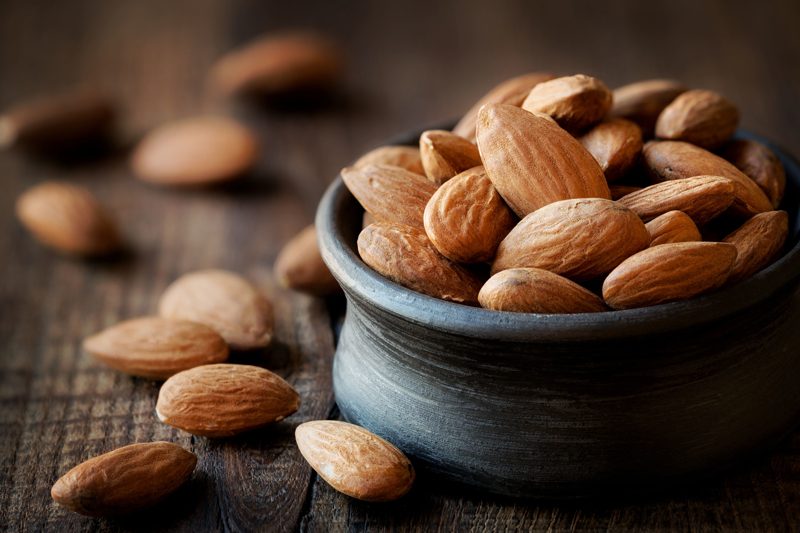
Almonds provide a wide range nutrients that help to keep the body healthy for sports and performance. A single handful per day will help meet your needs. Almonds provide protein, as well as monounsaturated fats, including the antioxidant vitamin E. They also include other important vitamins and minerals such as potassium, magnesium, iron, calcium, phosphorus and vitamin B2.

Refuelling
During the immediate post exercise window (0-30 minutes), athletes should consume a meal consisting of both carbohydrate and protein in a 4-5:1 ratio. This is important as the rate of glycogen synthesis is at its greatest. This is of even greater importance if the next training session or competition in within the 8 hours.

If the session is close to the next meal time this would be a part of the recovery process. Another meal following a similar ratio between carbohydrate and protein should be consumed. The type of food chosen would need to take into consideration the individual athletes daily caloric requirements, gastric comfort and food availability.

Rehydration
A fluid deficit incurred during training or competition has the potential to negatively impact on an athlete’s performance in future training or competition sessions.

To combat this, athletes should aim to consume 125-150% of their estimated fluid losses within the next 4-6 hours after a session. The addition of sodium, along with other electrolytes to a drink or with the post workout meal will reduce further fluid loss, therefore enhancing fluid balance and overall recovery.

Muscle Repair and Building
Both high intensity and endurance exercise cause a substantial breakdown of muscle protein. During the recovery phase there is decreased catabolism and a gradual increase in the anabolic processes of muscle tissue. Early intake of protein during the first hour after exercise promotes the increase of protein synthesis.

The quantity of protein needed to maximise this adaptation to physical activity is 15-25g of high quality protein. With the addition of carbohydrate to this meal, you will aid the body ability to transport the proteins into the muscles.

Immune System
The immune system is taxed by intensive physical activity. This may lead to athletes succumbing to viral infections during or after periods of intense training or competition.

Evidence indicates that the most promising nutritional immune protectors include adequate carbohydrate intake before, during and after high intensity or endurance exercise. Other nutrients that have been identified as immune protectors include Vitamins A, C, D, E, along with glutamine and zinc.

Including Almonds as part of Recovery
Here are some ways that you can use almonds to help you meet the goals of recovery:

  • Salted almonds and fluids enhancing hydration;
  • As part of a snack providing a source of protein to enhance muscle repair and building;
  • As a source of Vitamin E for the immune system.

Here are some examples of almonds being used in recovery meals

Breakfast:

  • Yoghurt with berries and chopped almonds or LSA mix;
  • Diced coconut, almonds, dates and apple.

Lunch:

  • Chicken and almond stir fry with root vegetables;
  • Lean meat, salad and a handful of almonds.

Dinner:

  • Chicken salad sprinkled with roasted almonds;
  • Red chicken, vegetable and almond curry with white rice (or cauliflower rice).

Snacks:

  • Almond bar;
  • Trail mix with dry roasted and salted almonds;
  • Yoghurt with chopped almonds.


MCT Oil 101

37980240781_70fb85bae1_c

Medium-chain triglycerides (MCT) are medium length fatty acids. The term “medium” refers to the length of the chemical structure of the fatty acid. MCTs are most often derived from coconut oil and sometimes made from palm oil.

Before we talk about MCT Oil it is important to understand what a fatty acid is and how to classify fatty acids.

Fatty acids are chains of carbons linked together, surrounded by hydrogen. These chains have a Methyl end (often known as the Omega end) and a Carboxyl group (acid end) at the other end.

The acid end is hydrophilic, meaning that it is water-soluble, while the rest of the fatty chain is hydrophobic, meaning that it is insoluble in water, and requires a water-soluble transporter to travel in the bloodstream.

These chains can vary in three ways. The number of carbons, the extent to which the carbons are saturated with hydrogen, and how the chain is shaped.

Fatty acids can be classified according to the number of carbon molecules in their structure:

  • Short Chain: Less than 6 carbons;
  • Medium Chain: 6-12 carbons;
  • Long Chain: More than 12 carbons.

Medium Chain Triglycerides (MCT)
The following fatty acids that are classified as MCT:

  • Caproic acid (with a chemical structure of C6:0);
  • Caprylic acid (C8:0);
  • Capric acid (C10:0);
  • Lauric acid (C12:0).

How do MCTs work
MCTs are commonly known for providing you with ready to use energy and better brain function. They’re absorbed quicker than other fatty acids and are easily converted into energy.

Although all four can be categorized as MCTs, only C6, C8, and C10 bypass your digestive tract and go straight to your liver where they’re broken down into energy-packed ketones, then sent out to the rest of your body via your bloodstream.

C12, on the other hand, behaves much more like a long chain fatty acid, going through your stomach, breaking down in your small intestine, then absorbing into your blood to get converted into energy.

Whole Food Sources
The following foods are the richest in medium-chain triglycerides, shown as the percentage of fatty acids that are MCTs:

  • Coconut oil: More than 60%;
  • Palm kernel oil: More than 50%;
  • Grass-fed dairy: About 15%.

Although the sources listed above are rich in MCTs, their compositions will vary. For example, coconut oil contains all four types of MCTs, along with small amounts of long chain fatty acids.

In coconut oil, MCTs consist of greater amounts of C12 and smaller amounts of C6, C8 and C10. In fact, coconut oil is about 50% C12, making it one of the best natural sources of this fatty acid.

In comparison to coconut oil, grass-fed dairy sources tend to have a higher proportions of C6, C8 and C10 and a lower proportion of C12.

Benefits of MCT Oil
With their unique structure and the way that MCTs are metabolized in your body give them a host of benefits that you won’t find in other fatty acids:

  • Antibacterial and antiviral properties that may help balance gut flora and support immune health;
  • Easier to digest than most other fats;
  • They may help you lose excess body fat;
  • Appetite suppression;
  • Provide quick, clean energy, especially brain energy;
  • May reduce lactic acid build up in athletes and increase the use of fat for energy;
  • May improve insulin sensitivity.

MCT Oil v Coconut Oil
The coconut oil industry loves to market the idea that coconut oil is a great source of MCTs because it’s about two-thirds MCT Oil.

Although just about all of the cheap and abundant oils in coconut oil are good for you, the problem is that the science shows that you just can’t get enough of the really useful MCTs from eating coconut oil alone.

Pure MCT Oil will usually consists of just C8 and C10 and is approximately six times more effective that coconut oil.

Some MCT Oils are diluted with large amounts of C12, which is a cheaper and more abundant part of coconut oil that is sometimes marketed as a MCT Oil. This may not be a concern for most people, however these oils are only about twice as effective as coconut oil.

C12 is most well-known for its antimicrobial properties, since it’s the precursor to monolaurin, an even more powerful antimicrobial agent that is able to fight viruses and bacterial infections.

While C12 itself has disease-fighting abilities, monolaurin from C12 is even more capable of inhibiting the growth of pathogens due to having stronger antimicrobial and antibacterial properties.

If you’re after large amounts of C12 for its own health benefits, go for it. Just eat some coconut oil. You can get a fair amount of it from eating just a tablespoon or two.

If you’re after optimizing your brain function and overall performance, have a look into some quality MCT Oil.

The Med Ball Slam

256

Athletic training has evolved greatly over the last hundred years.

Advances in technology and knowledge of the human body have reflected in the fine tuning of training methodologies used by the worlds most elite athletes and trainers alike.

Several exercises however, have remained constant throughout this time. The Med Ball Slam is one such exercise.

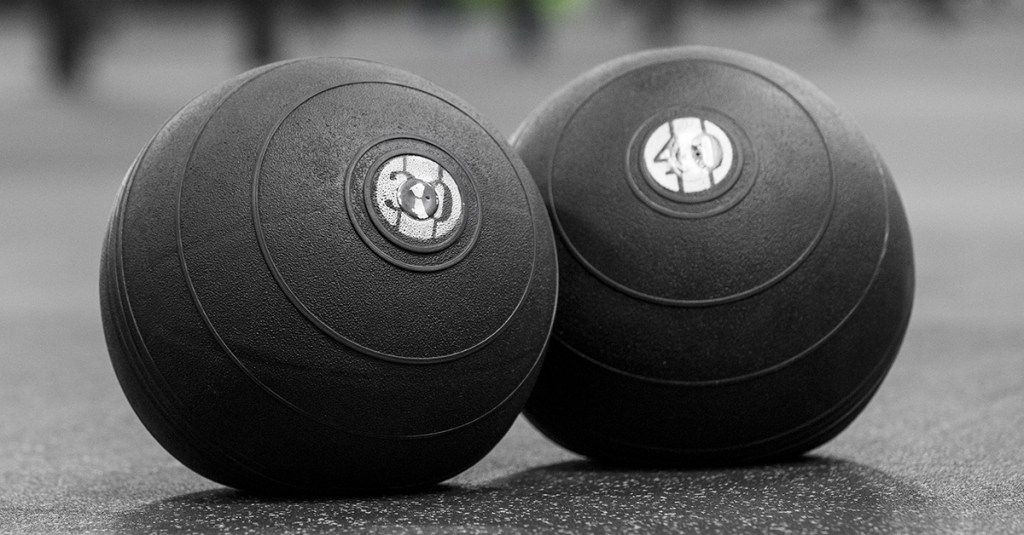
Med Ball Slams are an exceedingly simple exercise. Lift the ball high above your head, launch it into the floor beneath you, pick it up, do it again. It looks like child’s play compared to more technical lifts like the Snatch, but beneath its no-frills exterior, Med Ball Slams are building better athletic performance. Thus, the reason Med Ball Slams have persevered for centuries can be summed up in two words…

They work.

How to perform the Med Ball Slam
It is important to make sure you’re using an appropriate weight. This is not always the heaviest weight possible. The Med Ball Slam is an explosive movement.

  • Grab a med ball.
  • Assume an athletic stance and hold the med ball at waist level in front of you.
  • Rise up onto your toes as you bring the med ball overhead.
  • Explosively contract your abdominals and drive your chest down to slam the ball into the ground with as much force as possible.
  • Retrieve the ball as it bounces up and go into your next rep.
  • Your feet should remain in a good athletic stance throughout the exercise.

Image-1


Fasted Training

does-intermittent-fasting-work

Intermittent Fasting can be a valuable tool to improve your overall health and performance. But how do you fit in intense training while fasting?

Firstly, I wouldn’t recommend that most people just too many changes, too fast. Sometimes that can be too much of a shock to the system, which may lead to a decline in health and performance.

If you’re eating a mostly whole food diet you’re already almost there. Some small changes to your eating patterns and slowly extending your fasting period every couple of days will get you out to a pretty decent daily fast in no time at all.

Training in a fasted state
Training should be completed on an empty stomach and/or after the consumption of 10 g BCAA. Technically, the training is not completely fasted – as over time this could become detrimental to health and performance.

The pre-workout amino acid intake has a stimulatory effect on protein synthesis and the metabolism, is a crucial compromise to optimize results. The 8-hour feeding window commences with the first post workout meal.

Example

  • 1130-1200: 10g BCAA;
  • 1200-1300: Workout;
  • 1300: Post workout meal;
  • 1600: Second meal;
  • 2030: Final meal before overnight fast.

The largest meal of the day is consumed post workout, then calories and carbohydrates are reduced as the day progresses.

Barbells

Early morning fasted training
This is a common example as a majority of the early morning athlete will usually train fasted before starting their day. This example shows how you can train early morning and begin the feeding phase at noon or later.

  • 0600-0630: 10g BCAA;
  • 0630-0730: Workout;
  • 0830: 10g BCAA;
  • 1030:10g BCAA;
  • 1200-1300: Post workout meal (largest meal of day);
  • 2000-2030: Final meal before overnight fast.

This is my preferred method as I like to train early in the day. I also have a cup of black coffee with some MCT Oil pre-workout.

One pre-workout meal
A common methodology for athletes wishing to train late afternoon or directly after work.

  • 1200-1300: Pre-workout meal. Approximately 20-25% of daily caloric intake;
  • 1500-1700: Workout during this window;
  • 1700: Post workout meal (largest meal of day);
  • 200-2100: Final meal before overnight fast.

Two pre-workout meals
The standard protocol for athletes who work normal business hours.

  • 1200-1300: First meal to break the fast. Approximately 20-25% of daily caloric intake;
  • 1600-1700: Pre-workout meal. Similar caloric intake to first meal.
  • 1830-2000: Workout during this window;
  • 2000-2100: Post workout meal (largest meal of day).

The take away
No calories should be consumed during the fasting phase. Exceptions to this are black coffee, tea, BCAA and a cup of bone broth.

The fasting window is the perfect time to be productive. Try not to sit around, get bored and think about food.

Once in the feeding phase, meal frequency is fairly irrelevant. Most people prefer three meals out of habit.

The majority of your daily caloric intake should be consumed during the post workout period, with the largest meal being the first meal post workout.

The exception to this is on non-training days where your largest meal should typically be the first meal of the day, with the emphasis being on quality protein intake.

Remember, there is no one size fits all. If your preference is to eat your largest meal in the evening, then do it. Some people like to like to consume their largest meal on rest days later in the day with family or friends. If this helps you to enjoy your food and stick to your eating pattern long-term then it’s a win.

If training fasted, BCAA or an essential amino acid mixture is highly recommended. If you’re not into having a large supplement program, that’s fine. A whey protein concentrate will suffice and can be consumed during the pre-workout window.

Which method is best?
Depending on what your daily routine and training preferences are, a different protocol will be preferable. If your preference is to train early morning then the fasted training option is likely to be best for you.

Conversely, if you work the standard 0900-1700 business hours and your only option is to train in the evenings, then the one or two pre-workout meals pre-workout protocols will work better.

Sprinting for better health and performance

sprint

The 100m sprint is one of the most popular and prestigious events in the sport of athletics.

A sprinter has a powerful physique. Body shape, muscle strength, the relative lengths between the legs, heels and toes, as well as a primed nervous system to pull the whole machine together. These are just some of the physiological attributes required to make an elite runner.

Now all of us will not be able to compete for the coveted title of “the fastest man in the world”, but we can definitely use sprint based training to improve our own health and performance.

Sprint training can build lean muscle tissue, burn fat, improve your overall body composition and improve performance across a variety of sports. Sprinting is a physical fitness tool that delivers a return far greater with regards to health and performance benefits than the original effort required.

There are many reasons to conduct sprint training, but unless you’re a competitive athlete or a hardcore fitness addict, you probably aren’t sprinting as often as you should. This is a mistake.

Here are some reasons why you should add a few sprint workout in your physical training programming:

It burns body fat
Weight loss isn’t just about losing a few extra kilograms. It’s about burning excess body fat while maintaining or building lean muscle mass and bone density. Sprinting is excellent at burning body fat without the muscle loss that can be seen in endurance athletes. This study found that a sprint session can increase post-exercise oxidation by up to 75%. This indicates that sprinting can improve body composition by burning body fat.

It’s anabolic (it can build lean muscle and strength)
Sprint workouts can increase testosterone levels in male athletes. In this study from 2012, men and women completed three 30-second maximal effort interval sprints on a stationary bike with a 20 minute rest between each sprint. Muscle biopsies taken from their quads showed markers of protein synthesis (this is how muscle is built).

It may be even better for women than men. The study mentioned earlier showed an increase in protein synthesis of up to 222% in women and 43% for men.

It builds new mitochondria
The basic function of the mitochondria is to extract energy from nutrients and create ATP, the standard energy currency of the body. More mitochondria, more power available to our body and brain, more fuel burned, more energy produced. It’s better to have healthy mitochondria, and scientists are always trying to find ways to preserve or increase their numbers because so many degenerative diseases are caused by malfunctioning mitochondria. Sprinting is one way to make more.

Multiple studies have shown that the type of sprint work doesn’t really matter.

It’s more efficient than endurance training
Generally, sprint training requires less time than endurance training. Sprinting can be just as effective in many ways and completed just a portion of the time. Adding sprints (4-6 sprints, 2 or 3 times per week) to your training can be just as effective as cycling for 40 to 60 minutes at improving insulin sensitivity, arterial elasticity, and muscular density.

It works for elderly people
Even the elderly can benefit from sprint workouts. They might be slower than a younger athletes. Sprinting ability to build and maintain lean muscle tissue may help prevent muscle loss associated with ageing.

It can improve insulin sensitivity
Sprint training can improve insulin sensitivity, improves hyperglycemia in type 2 diabetics, and lowers post meal glucose response in diabetics. If you’re pre-diabetic or already suffering from the condition, sprinting will help.

There are many variations
Sprinting can be completed in a variety of ways. It’s not just the standard 100m sprint on the athletics track. Even though an effective workout, there are many ways to vary your sprint training. You can get on the bike, run some hill sprints, get on the rower or even push a sled. The variations can be endless.

One session, every 7 to 10 days may be enough for some people to notice some of the benefits listed above.