All about Resistant Starch

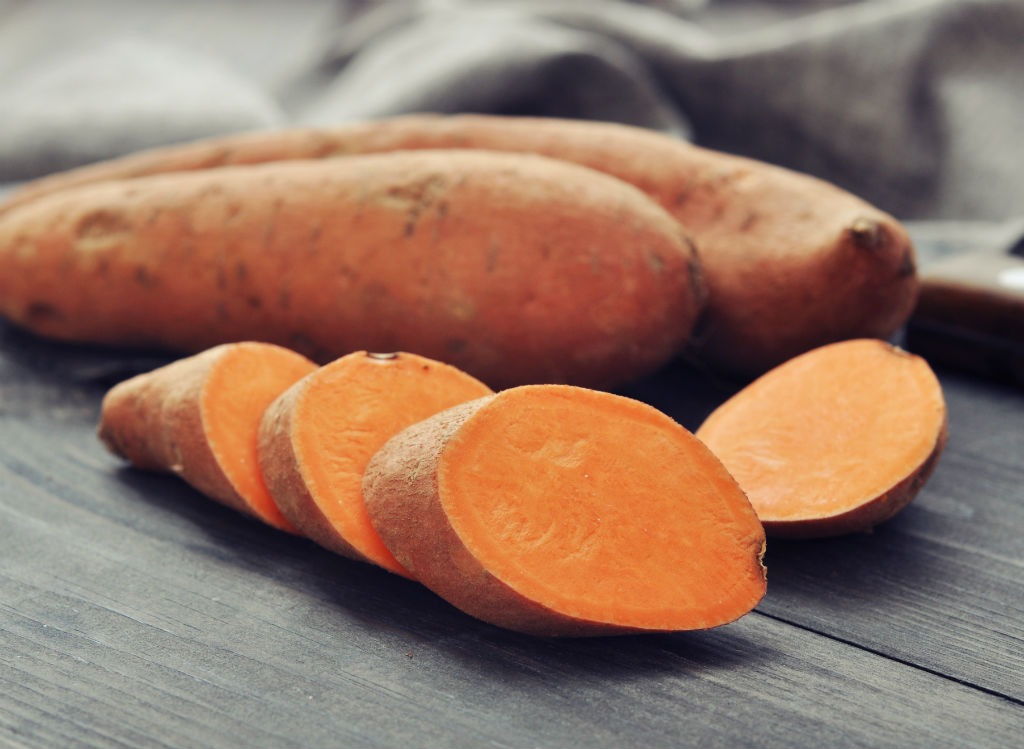
sweet-potatoes

What is resistant starch?
Resistant starch (RS) is a type of starch that is not digested in the stomach or small intestine, reaching the colon intact.  Simply put, it “resists” digestion. This explains why we do not see spikes in either blood glucose or insulin after eating resistant starch, and why we do not obtain significant calories from resistant starch.

There are four types of resistant starch:

  • RS Type 1 – Is found in grains, seeds and legumes and resists digestion because it’s bound within the fibrous cell walls;
  • RS Type 2 – Is found in some starchy foods, including raw potatoes and green (unripe) bananas;
  • RS Type 3 – Is formed when certain starchy foods, including potatoes and rice, are cooked and then cooled. The cooling turns some of the digestible starches into resistant starches via retrogradation;
  • RS Type 4 – Is man-made and formed via a chemical process.

However, this classification is not so simple, as several different types of resistant starch can co-exist in the same food.

Depending on how foods are prepared, the amount of resistant starch changes. For example, allowing a banana to ripen (turn yellow) will degrade the resistant starches and turn them into regular starches.

Where to find resistant starch
Resistant starch occurs in a number of natural foods. Some legumes, many tubers such as potatoes, and many fruits, especially unripe bananas and plantains.

There are several supplementary sources such as raw potato starch, plantain flour and tapioca starch. Raw (not sprouted) mung beans are also a good source of resistant starch, so mung bean starch (found often in asian grocery stores) can also work.

Food for your gut
Just like anything other living organism, your gut bacteria requires a food source. They need to eat to survive, and certain food sources are better than others. Simply put, resistant starch is a high quality food for your gut bacteria. This is the very basic, but most important function of resistant starch.

How does it work?

A healthy human gut has hundreds of bacterial species, outnumbering all other cells approximately 10 to 1. The overall balance of these bacteria has an important effect on health and wellbeing. Resistant starch resists digestion until it reaches the colon where it feeds your good bacteria.

The good bacteria feeds on resistant starch and produce short chain fatty acids, with butyrate being the most significant due its beneficial effects on the colon and overall health.  Butyrate is the prefered energy source for the cells lining the colon, it also has a role in increasing metabolism and decreasing overall inflammation.

Below are just some of the health related benefits backed by science to consuming resistant starch.

Improve gut integrity and overall gut function
As mentioned earlier, resistant starch improves the overall quality and functionality of your gut bacteria. It also inhibits endotoxins from getting into circulation and can reduce leaky gut, which could have a positive effect with regards to allergies and autoimmune conditions.

Improved insulin sensitivity
Consuming Resistant starch improves insulin sensitivity, even in people with metabolic syndrome.

Lowers the blood glucose response to food
A popular reason people avoid even minimal amounts of  dietary carbohydrate is the blood glucose response. It’s too high. Resistant starch lowers blood glucose spike after meals. This reduction may carry over to subsequent meals.

Reduces fasting blood sugar
This is one of the most commonly mentioned benefits of resistant starch. With a reduction in blood sugar levels, resistant starch may help you avoid chronic disease and improve your quality of life.

Increases satiety
In a recent human study, a large dose of resistant starch increased satiety and decreased subsequent food intake.

Enhanced magnesium absorption
Most likely because resistant starch improves overall gut function and integrity, resistant starch increases dietary magnesium absorption.

Consuming resistant starch may also have the following benefits:

  • Improved body composition;
  • Improved thyroid function;
  • Improved sleep.

Adding resistant starch to your diet

tinh-bot-khoai-tay
In a modern diet a person may only consume about 5g of resistant starch daily, compared to many traditional diets where 20g or 30g was consumed per day. You can add resistant starch to your diet by either consuming it from a food source or through supplementation.

Several commonly consumed foods are high in resistant starch. These foods include, raw potatoes, cooked and then cooled potatoes, yams, green bananas, various legumes, lentils and raw oats.

These foods are commonly high-carbohydrate foods, making them out of the question if you are following a low-carbohydrate nutrition plan. However, even if you are eating a low-carbohydrate diet, you can still see some benefit from consuming some resistant starch.

You can add resistant starch to your diet without adding any dietary carbohydrates. This is where our supplements, such as raw potato starch come in to the equation.

Raw potato starch contains approximately 8g of resistant starch per tablespoon and almost zero digestible carbohydrate.

It is cheap. It does have a fairly bland flavour, but it can be added into your diet in a variety of ways, such as by adding to foods, smoothies or mixing it with water.

Four tablespoons will give you about 32g of resistant starch. Like most supplements, it is important to build up, as too much too soon may have disastrous results.

There doesn’t seem to be any reason to consume much more than that anyway, as excess amounts seem to pass through your body when you reach about 50g per day.

The benefits of Magnesium

Magnesium (Chemical Element)

Magnesium is the fourth most abundant mineral in the human body and the second most common intracellular cation (positively charged ion) after potassium, magnesium is required for the healthy function of most cells in your body, especially your heart, kidneys and muscles.

Magnesium’s benefits can include reduced symptoms from conditions such as chronic pain, fatigue and insomnia. Magnesium may also provide protection from a number of chronic diseases, especially those associated with aging and stress.

Essential to life, necessary for good health, and a vital component within our cells, magnesium’s benefits help our bodies maintain balance, avoid illness, perform well under stress, and maintain a general state of good health.

What conditions can benefit from Magnesium?
Magnesium is known to reduce muscle tension, lessen pain associated with migraine headaches, improve sleep, and address neurological disorders such as anxiety and depression.

Conditions linked to magnesium levels include:

Pain:

  • Headaches;
  • Muscle cramps and spasms.

Mental health and sleep:

  • Anxiety;
  • Depression;
  • Autism and ADHD;
  • Restless Leg Syndrome;
  • Insomnia.

Other conditions:

  • Psoriasis, Acne and Eczema;
  • Asthma;
  • Hypertension (elevated blood pressure);
  • Diabetes;
  • Osteoporosis.

Magnesium works within our cells. The powerhouses, factories and regulators of the body’s systems.

Because it is a necessary part of hundreds of biochemical reactions occurring constantly inside our cells, magnesium’s presence or absence affects the brain, the muscles, and the heart and blood vessels.

The importance of Magnesium?
There are fifteen essential minerals required by our bodies to function properly. These can be divided into trace minerals, those required in very small amounts, and major minerals, those required in larger amounts.

The six major minerals required in excess of 250 mg per day include:

  • Calcium;
  • Magnesium;
  • Potassium;
  • Phosphorus;
  • Sodium;
  • Chloride.

Magnesium impacts nearly all of systems of the body due to its cellular and molecular function. It has vital role as a co-factor to over 300 enzyme functions.

Not only one of the most vital and essential enzyme co-factors, regulating more reactions than any other mineral, but magnesium is also responsible for two of the most important cellular functions: energy production and cellular reproduction.

Magnesium and heart health
Insufficient magnesium tends to trigger muscle spasms, and this has consequences for your heart in particular. This is especially true if you also have excessive calcium, as calcium causes muscle contractions.

Magnesium also functions as an electrolyte, which is crucial for all electrical activity in your body. Without electrolytes such as magnesium, potassium and sodium, electrical signals cannot be sent or received, and without these signals, your heart cannot pump blood and your brain cannot function properly.

The heart has the highest magnesium requirement of any organ, specifically your left ventricle. With insufficient amounts of magnesium, the heart simply cannot function properly. Elevated blood pressure, cardiac arrhythmia, cardiovascular disease (CVD) and sudden cardiac death are all potential effects of magnesium deficiency and/or a lopsided magnesium to calcium ratio.

This systematic review and meta-analysis published in 2013,  concluded that circulating and dietary magnesium are inversely associated with CVD risk. Simply put, this means the lower your magnesium intake (and the lower the circulating magnesium in your body), the higher your risk for CVD.

Other notable effects include:

  • Is an important factor in muscle relaxation and heart health;
  • Creating energy in your body by activating adenosine triphosphate (ATP);
  • Allows nerves to send messages in the brain and nervous system;
  • Aids and regulates the body’s use of calcium and other minerals;
  • Assists in bone and teeth formation;
  • Regulates the metabolism of nutrients such as protein, nucleic acids, fats and carbohydrates;
  • Regulates cholesterol production and helps modulate insulin sensitivity;
  • Assists in energy production, DNA transcription and protein synthesis;
  • Maintains the structural health of cell membranes throughout the body.

Foods high in Magnesium
Magnesium in food sources were once commonly consumed, but have diminished in the last century due to industrialized agriculture and a shifting to more modern westernized diets. Below is a list of foods that are high in dietary magnesium:

  • Pumpkin Seeds;
  • Spinach;
  • Swiss Chard;
  • Dark Cocoa Powder;
  • Almonds;
  • Coffee.

Who should supplement with Magnesium?
Magnesium has been linked to reduced incidence of common conditions such as high blood pressure, diabetes, and metabolic syndrome in large peer-reviewed, long-term studies.

Studies today focus on whether active magnesium supplementation may be one of the missing links to preventing these diseases, as well as several disorders affecting the brain, muscles and skin.

The good news is that magnesium supplementation is a safe and effective way for most people to ensure they are getting enough magnesium to stay healthy, before deficiencies arise.

How much Magnesium to supplement
While the RDI for magnesium is around 310 to 420 mg per day depending on your age and sex, many experts believe you may need around 600 to 900 mg per day.

Natural ways to your lower blood pressure

bluthochdruck

Your blood pressure is measured in millimeters of mercury (mm Hg). There are two numbers involved in the measurement:

  • Systolic blood pressure. The top number represents the pressure in your blood vessels when your heart beats.
  • Diastolic blood pressure. The bottom number represents the pressure in your blood vessels between beats, when your heart is resting.

Your blood pressure depends on how much blood your heart is pumping, and how much resistance there is to blood flow in your arteries. The narrower your arteries, the higher your blood pressure.

Blood pressure that is measured lower than 120/80 mm Hg is considered normal.

Blood pressure that’s 130/80 mm Hg or more is considered high. If your numbers are above normal but under 130/80 mm Hg, you fall into the category of elevated blood pressure. 

In 2012-13, 6 million (about 34%) Australians, aged 18 years and over had hypertension, defined by having blood pressure ≥140/90 mm Hg, or were taking an antihypertensive medication.

The good news about elevated blood pressure is that lifestyle changes can significantly reduce your numbers and lower your risk. Without the requirement for medications.

Here a several ways to naturally lower your blood pressure:

Losing some extra weight (if overweight)
If you’re overweight, even dropping a few kilograms can reduce your blood pressure. You will feel better and you’ll also be reducing your risks from other medical problems.

This meta-analysis in 2016 reported that diets resulting in weight loss lowered blood pressure by an average 4.5 mm Hg systolic and 3.2 mmHg diastolic.

Exercise and physical activity 

temo-run-exercise
There is strong epidemiological evidence that regular physical activity and moderate to high levels of cardio-respiratory fitness provide protection against hypertension and all-cause mortality in both normal and hypertensive individuals.

Regular aerobic exercise has been shown to lower systolic and diastolic blood pressure by up to 3.2 mm Hg and 2.7 mm Hg, respectively.

This doesn’t always mean that you have to go out and run marathons or spend over 15 hours in the gym per week. An increase in physical activity can be a combination of common activities such as running or weight training. It just as easily be adding incidental physical activity to your daily routine, such as:

  • Taking the stairs instead of the lift;
  • Walking over driving;
  • Playing with a child or pet.

Adding 30 minutes per day is all that is required to make a difference.

Dietary modification
Making smart changes to your diet such as cutting back on sugars and refined carbohydrates can help you both lose weight and lower blood pressure.

This 2012 analysis of low carbohydrate diets and heart disease risks found that these diets lowered systolic and diastolic blood pressure by 4.81 mm Hg and 3.10 mm Hg respectively.

Another benefit of lower carbohydrate diets are that you generally feel fuller for longer as you’re eating more dietary protein and fats.

Eating a diet high in dietary carbohydrate from processed or refined sources without adequate physical activity can lead to unwanted weight gain, elevated blood glucose and higher blood pressure scores.

Modern diets have increased most people’s sodium intake, while decreasing overall potassium intake. Eating more potassium rich foods such as sweet potatoes, white potatoes, tomatoes, bananas and rock melon can help lower blood pressure by normalizing the sodium/potassium ratio of the body.

Eat some dark chocolate

How-to-Enjoy-Dark-Chocolate-in-a-Diabetes-Diet-1440x810
Dark chocolate (at least 70%) has been shown to reduce blood pressure. Eating about 45 g per day may help lower your risk of heart disease by lowering blood pressure and inflammation.

Supplement your diet
Adding these dietary supplements can assist in lowering your blood pressure:

  • Omega-3 fish oils;
  • Whey protein (from grass-fed cows);
  • Magnesium;
  • CoEnzyme Q10;
  • Citrulline.

Quit smoking
Despite the smoking rate in Australia decreasing over the past two decades, 14% of Australians aged 15 and over are still daily smokers.

On average, a smoker’s life expectancy is up to 10 years less than non-smokers, and 60% of long-term smokers will die prematurely from a smoking-related disease. Giving up smoking has been shown to reduce blood pressure and overall heart disease risk.

Reduce alcohol consumption
Alcohol should always be looked at as a moderation food. It can elevate blood pressure in healthy individuals. Alcohol can raise your blood pressure by about 1.5 mm Hg for each standard drink.

Moderate drinking is considered to be no more than two standard drinks per day.

Cutting back on life stressors

5678e670e0e9bb9abf9587985df1daf2
Modern westernised society is full of external stressors. Family, financial, social and workplace demands are just some of the factors contributing to elevated stress levels. Finding ways to reduce your stress is equally important to your overall health as it is to your blood pressure.

There are many ways to reduce stress, all you need to do is find which methods work best for you. Here are just a few ways:

  • Meditation and yoga;
  • Practice deep breathing;
  • Spending time in the sauna;
  • Reading a book;
  • Taking a walk;
  • Watching a comedy;
  • Listening to music.

Quality sleep
Blood pressure will naturally lower while you’re sleeping. If you’re not getting quality sleep, it can affect your blood pressure. People of experience sleep deprivation, especially those in middle-age, can be at an increased risk of elevated blood pressure.

Not everybody is able to get a good nights sleep with ease. However, there are ways that can help set you up for some restful sleep. A regular sleep schedule (going to bed and waking up at similar times daily), less time on electronic devices in the evening, exercising during the day and making your bedroom dark at night can help improve your sleep quality.

Many experts suggest that the sweet spot for optimal sleep is somewhere between 7 and 9 hours of sleep per night.

Final thoughts
If you do suffer from hypertension, some of these strategies can be of benefit. However, talk with your doctor about possible solutions to might work best for you to reduce your blood pressure without the use of medications.

Why you should be eating bananas

bananas1

Why it’s a superfood?

  • High in vitamins B6 and C, fiber, potassium, mangansese;
  • Good source of riboflavin, folate, magnesium, copper;
  • Contains antioxidant phenols.

Healthy evidence
One of the reasons eating bananas is beneficial is because bananas are high in potassium. Potassium is an electrolyte and we require it to help our bodies function optimally. One banana contains more than 300mg of potassium. The recommended daily intake according to the National Health and Medical Research Council is 3,800mg per day for males and 2,800mg per day for females.

Bananas are high in potassium, a mineral that promotes heart health and normal blood pressure. This meta-analysis published in 2011, found that a daily consumption of 1,300-1,400mg of potassium is linked to 26% lower risk of heart disease.

In addition, bananas contain antioxidant flavonoids that have also been associated with a significant decrease in the risk of heart disease.

Making the most of Bananas
The high content of heat-sensitive and water soluble vitamins B6 and C means that fresh bananas are the best choice (vitamin B6 may decrease by as much as 50% if heated). For added nutrients, combine bananas with fruit high in vitamin A, such as mango or peach and mix with cottage cheese to add slow digesting protein.

Bananas and athletic performance
The unique mix of vitamins, minerals, and low glycemic carbohydrates in bananas has made them a favorite fruit among endurance athletes.

Bananas have long been valued by athletes for prevention of muscle cramps. Since bananas are a good source of potassium, and since low potassium levels are known to contribute to risk of muscle cramps, it is logical to think that the potassium content of bananas as being a contributing factor for a reduction in muscle cramps whilst conducting physical activities.

When is the best time to eat bananas
Generally, the taste and nutritional value of bananas change as they ripen.

Pre-ripened bananas tend to have greener skins and are less sweet than well-ripened bananas because the starch hasn’t fully broken down into simple sugars. The upside to eating pre-ripened bananas is that you stay full for longer and enjoy the benefits of the resistant starch.

On the other hand, a well-ripened banana with some dark patches on the skin is easier to digest and may give you the energy boost you require before playing sports.

The benefits of bone broth

As we enter the cooler months of winter, the need to take good care of our health becomes more of a priority, as colds come and go quite often. Most people try very hard not to end up with the sniffles each year, without much luck. Regularly adding a cup of bone broth to your diet just might be the solution?

546a43d0eab8ea8b490551c0-750

What is bone broth?
Bone broth, which is nothing new to home cooks around the world, is the strained stock that results from boiling animal bones, usually with attached meat, herbs, and vegetables to add flavour.

Bone broth is an ingredient than can be used to create or flavour all kinds of dishes. It contains parts of the animal we typically like to discard (like cartilage and bone marrow), all nicely broken down so we get the full dose of nutrients.

The importance of Collagen
Collagen is a group of amino acids making up 25-35% of our body. It’s found in our bones, skin, joints, tendons, and ligaments. As we age, we lose collagen. This contributes to age-related joint issues, not to mention the loss of skin elasticity.

Glycine is the primary amino acid found in collagen. And it’s a pretty significant amino acid in terms of what it does for the body.

The human body requires about 10 grams per day for basic metabolic processes, so we have a pretty significant daily requirement that we need to get through dietary or supplemental means. Most of us these days aren’t eating ligaments and tendons and rougher cuts of meat containing glycine.

Bone broth contains approximately 27 grams of glycine per 100 grams of protein. Therefore, it makes for a great source of this amino acid. Rather than taking an isolated glycine supplement, bone broth contains glycine with other amino acids and minerals, which act synergistically with each other. 

Some other benefits include:

  • Improve overall gut health;
  • Improves immune system;
  • Improves joint health;
  • Keeps the skin supple;
  • Restores Glutathione levels;
  • Improves sleep quality;
  • May improve cognitive function.

How to make bone broth
Here is a simple recipe on how to make a bone broth at home using beef bones.

Basic ingredients:

  • 1 to 1.5 kg beef bones. Any type of bones will do, but for the richest, most gelatinous beef broth, add some collagen-rich knuckles, tails, feet, or neck bones;
  • 2 carrots, chopped;
  • 2 celery ribs, chopped;
  • 1 onion, peeled and quartered;
  • 6 garlic cloves, peeled and halved;
  • 2 bay leaves;
  • 1/2 cup of apple cider vinegar;
  • Water (about 4 to 6 quarts/4 to 6 L).

Cooking instructions:

Browning the bones before simmering gives the broth a deeper, richer flavor, but this is optional. Preheat oven to 375 °F / 190 °C. Spread the bones out on a large roasting pan. Roast for about 30 minutes, until nicely browned.

Place the bones in a large stockpot or slow cooker. Add the vinegar, carrots, celery, onion, garlic, bay leaves. Add enough water to cover the bones by an inch or two.

If you’re using a stockpot, simmer on very low heat, with a lid, for a minimum of 8 hours, or up to 24 hours to extract the most nutrients and flavor, occasionally skimming foam and fat from surface.

In a slow cooker, cook on low for at least 8 hours and up to 24 hours.

The broth is done when it has a rich, savory flavor and deep reddish-brown color.

Pour broth through a strainer to remove any solid ingredients, and you’re done. Enjoy.

How baking soda can improve athletic performance

SodiumBicarbonate

Sodium bicarbonate (baking soda) otherwise known as NaHCO₃, is a popular chemical compound. It is a salt composed of sodium ions and bicarbonate ions. Sodium bicarbonate is a white solid that is crystalline but often appears as a fine powder. It is found dissolved in many mineral springs.

Baking soda is a low-cost natural product that can be found in most supermarkets.

How does sodium bicarbonate work
To understand how baking soda works, it is helpful to first understand the concept of pH.

How pH affects athletic performance
In chemistry, pH is a scale used to grade how acidic or alkaline (basic) a solution is.

A pH of 7.0 is considered neutral. Anything lower than 7.0 is acidic and anything above that is alkaline.

In a normally functioning, resting human being, arterial blood pH is approximately 7.4, slightly alkalotic, and usually around 7.0 in the muscle cells. You function best when your acid-alkaline balance remains close to this target, which is why your body has various ways to maintain these levels.

High-intensity exercise, also known as anaerobic exercise can disrupt this balance.

During anaerobic exercise, your body’s demand for oxygen exceeds the available supply. As a result, your muscles cannot rely on oxygen to produce energy. Instead, they must switch to a different pathway. The anaerobic pathway.

Creating energy through the anaerobic pathway produces lactic acid. Too much lactic acid decreases your muscle cells’ pH level to below the optimal 7.0.

How sodium bicarbonate helps maintain pH
Sodium bicarbonate has an alkaline pH of 8.4 and can therefore raise your blood pH slightly. Higher blood pH allows acid to move from muscle cells into the bloodstream, returning their pH to 7.0. This enables the muscles to continue contracting and producing energy.

Scientists believe this is the primary way that sodium bicarbonate can help you exercise harder, faster or for longer

Sodium bicarbonate and athletic performance
In short endurance events lasting approximately seven minutes or less, one of the greatest challenges faced by an athlete is the build-up of acidity related to acid production by the muscles (lactic acid). As the blood and fluids surrounding the muscle cells become more acidic, their ability to function effectively is greatly reduced.

Since the 1940s, sports scientists have been looking at baking soda, as a way of counteracting this acidity.

Baking soda has been shown to reduce blood and muscle acidity by neutralising hydrogen ions associated very high intensity efforts. A review of 29 studies examined the time to exhaustion in short duration events and found an average 27 percent increase in exercise duration with baking soda compared to placebo.

Although most studies investigating the effectiveness of supplementing with baking soda  for enhancing athletic performance have mainly been focused on physical activity lasting approximately seven minutes or less, there have been numerous studies focusing on more prolonged continuous exercise with similar outcomes.

How much to supplement 
If you compete in short races or conduct intensive interval training at or above your aerobic capacity, supplemental dosages of 200-300mg/kg (about 4 or 5 teaspoons) mixed into about 500ml of water have shown to be beneficial when used before exercise. Baking soda should be sipped over a few minutes approximately 60 minutes prior to the race or workout.

Health benefits
Other health benefits of supplementing with baking soda include:

  • Ease stomach and digestive troubles;
  • Reduce heartburn;
  • Boost kidney health;
  • Sunburn remedy;
  • Toothpaste and teeth whitener;
  • Relief from insect bites;
  • Help to clear/relieve cold and flu symptoms.

Adverse effects
Although consuming baking soda orally is safe, don’t exceed the recommended dosage. Too much baking soda can upset the body’s acid-base balance leading to nausea, vomiting and diarrhoea.

Another reason not to overdo your consumption of baking soda is that it can increase potassium excretion which could lead to a potassium deficiency.

Baking soda is high in sodium, approximately 1,200 milligrams in one teaspoon. So higher doses may not safe, especially if you have elevated blood pressure.

You should always consult with your doctor prior to using a new supplement, especially if you are on medication.

Final thoughts
For such a low-cost, this is one really affordable natural supplement that could help enhance an athlete’s physical performance, especially in events lasting seven minutes or less.

In addition, baking soda has a variety of other health benefits. For example, it can help treat heartburn, ease digestive issues and even whiten your teeth.

My training at 36-ish

Goals
Fitter. Faster. Stronger.
Always learning.

Context: 36-year-old. 180cm. Soldier. Student.

My aim is to live as long as possible and as healthy and productive as possible. I’m not a father yet, but I would like to be a parent one day and see those children grow up.

Basically, I want live well and avoid chronic disease (for as long as possible). My grandfather lived to 84 years old, although his last decade was hampered by heart disease, elevated blood pressure, cholesterol, and type 2 diabetes.

So, I plan to use some evolutionary wisdom and apply it to modern society. Simply put, keep my metabolism as healthy as possible (eat whole foods), keep enough muscle mass and remain as mobile (be active) as I can so that I can actually get around and do everything I want to do for as long as possible… and hopefully help a few people out along the way.

Caveat: This is what has worked for me so far…

Food
For those who don’t know me, I have been following Paleo or Primal type nutrition for about six years now. For the most part it’s just eating whole foods as often as possible. I do like my full fat dairy (like cheeses and some yogurt) and they don’t really affect me in a negative way unless I eat them in excess so with a bit of discipline I’m all good.

I’ve been trying to get about 125-150g of protein per day, with a lot of cooked veggies (for nutrient density) and some healthier fats like avocado and oils such as coconut, macadamia and olive. I must admit, I been fairly liberal with my use of butter and sea salt with my cooking. Not only are they a good source of vitamins and nutrients, but they taste really good.

I would usually split this over two or three meals depending on the day and what was going on during that day or week. The last two or three months I have been fairly low in dietary carbohydrate and have felt pretty good. I do have days where I really lift my carbohydrate intake but they have been fairly random and are usually after some intense training periods where I need a bit of a boost to aid in recovery.

I do a bit of intermittent fasting here and there. I am metabolically flexible, meaning I am well adapted to using fats or ketones as an energy source. Occasionally on a low tempo day, I would dabble in a longer fast of up to 24 hours This wasn’t very regular, maybe once every 6-8 weeks.

These days I don’t count calories or worry too much about when I’m eating or not eating. Basically, I eat when I’m hungry and try to avoid processed foods when practicable.

Most weeks I eat out with friends one night which would usually lead me to the local Vietnamese Pho or Grill’d restaurants.

Supplements
I’ve been supplementing with Nordic Naturals Fish Oil. I think omega-3 supplementation is important for overall health and Nordic Naturals is basically the gold standard of omega-3 supplements.

Magnesium. This is probably one of the most important supplements for me. I generally take it post workout (especially in the warmer months) or in the evenings prior to sleep. Magnesium is vitally important to so many biological functions in the body and these days it’s not that easy to get enough from diet alone. Add in some intense training or workloads, and your requirement increases.

At the moment most of my work days are spent indoors so during the winter months I add 10g L-glutamine daily (in the morning) and about a 10ml of Nordic Naturals Cod Liver Oil every other day. The L-glutamine is got for overall health and recovery while the Cod Liver Oil is a good source of both Vitamins A and D. 

Training
There are several coaches that I go to for inspiration when it comes to my program design. They are Dan John, Pavel Tsatsoline and Ross Enimait. When it comes to strength, conditioning, combative and kettlebell training these guys have you covered. 

Over the last 12 months or so I have been playing with some basic strength and conditioning programs consisting of mostly compound movements such as deadlifts, squats, rows, bench and overhead presses. Most of the time being spent around the 3-6 repetition range.

Heavy Turkish getups (up to 50kg), kettlebell swings and farmers carries have also featured consistently in my programing. 

I had a good three or four month period where I added some decent metabolic conditioning (metcon) circuits a couple of times per week. I felt this was working quite well but I had to really ramp up my caloric intake as the metcon work really depletes the energy levels.

Running. It’s been mostly interval work and 5km racing. The days of running 10km to 21km are behind me. I just found them too taxing on the body as a whole. My preference lately has been to run 200m and 400m intervals and every now and then I just get out and run around for 4km or 6km.

I missed out on the usual Run for the Kids in 2017, but I did compete in the Run Melbourne (26:50 for 5.7km) and Melbourne Marathon (26:03 for 5.7km). This year I have run in the Sole Motive Zoo Run (25:25 for 5km), Run for the Kids (23:20 for 5.2km) and the Mother’s Day Classic (17:41 for 4km).

IMG_2475

Right now my training consists of three days of strength and conditioning, two days of running (easy run and some sprint work) and maybe a single boxing workout. Each workout lasts about 30-35 minutes with the exception of the boxing which usually lasts 60 minutes. This gives me a total of about three to four hours of dedicated training per week which allows me to have more free time in my week.

IMG_2490

Lifestyle
I’m back in Melbourne. Where I grew up. Around family and friends definitely makes life a little easier. The importance of good social connections is often overlooked when it comes to optimising health and performance.

The last twelve months have been kind of interesting for me. A lot has happened on a personal level. Some good, some not so good, but I believe overall that I have had a net win which is great.

This year will mark 15 years as a soldier. That’s basically a lifetime. Soldiering has taken me to some pretty interesting places around the world and it has given me the opportunity to learn and work alongside some professional people.

I mentioned earlier that I am once again a student. I am finally completing my studies in nutrition which I am excited about. I am doing this via correspondence which will take about two years to complete, then I’ll make a decision on where I go from there.

Protein Powders: which are best?

How-To-Choose-Use-Store-Protein-Powder-for-Preppers-890x395_c

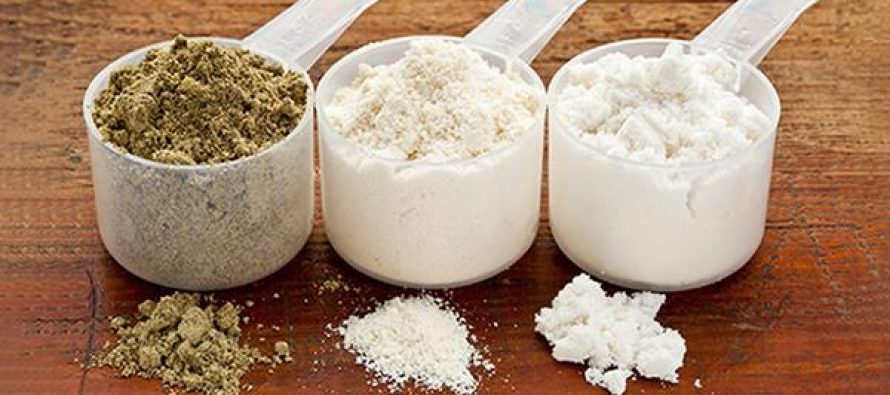
Protein powders are considered a staple of many person’s supplemental regimens, and for good reason too. Protein powders are cheap, simple, and effective. They can be used for fat loss, muscle-building, or for general health.

Recently, I have been asked about which protein powders are the best to use. I did a bit of research and have come up with the following information. Protein powders can fall under two main categories:

  • Animal-based proteins; and
  • Plant-based proteins.

There a many reasons to supplement with protein powders. Below is a list of situations where protein supplementation may be beneficial:

  • Post exercise recovery of muscle function and performance;
  • Increasing the duration or intensity of workouts;
  • Trying to gain weight or muscle mass;
  • Athletes participating in advance training;
  • Recovery from an injury or medical procedure;
  • Deciding to go vegetarian or vegan;
  • For the elderly.

Bio Availability (BV)
The BV is one way to measure a protein’s “usability”. The higher the BV, the greater the proportion of available protein that can be synthesized by the body’s cells. Note, BV scores are averages and does not refer to the amount of protein in the powder; it only refers to the usability of the protein in the powder.


Animal Based Proteins
Animal derived proteins are better overall than vegetarian derived. They are complete protein sources and are typically better absorbed and digested than their plant-based partners.


Whey (BV: 95-100)
The standard protein powder. Whey is derived from milk as the liquid component. It’s main benefits that make it stand apart from the rest are:

  • 25% branched-chain amino acid (BCAA) content by weight, approximately;
  • High cysteine and glutamine content, which aid in glutathione production and gut health; and
  • Fast absorption speed relative to other protein sources (1-3 hours).

Various forms exist, such as Whey Concentrate, Whey Isolate, and Hydrolyzed Whey (digested slowest to fastest).

Out of all protein sources, whey can also be seen as the “healthiest” due to it’s cysteine and glutamine content increasing levels of glutathione (an intrinsic anti-oxidant) in the body, and providing an abundance of glutamine for cells lining the gut.

The BCAA content is also notable as it is rich in the amino acid Leucine, which has many muscle-building properties in the body and is one of the most important amino acids to ingest in higher-than-normal doses with the goal of building muscle mass or retaining muscle mass when losing fat.

Casein (BV: 75-80)
The standard ‘slow release’ protein source. Casein is the curd (solid) portion of dairy protein. The typical benefits associated with casein supplementation are:

  • A very high insulin secretion value relative to other protein sources;
  • Slower absorption in the intestines;
  • Great evening protein source.

Casein is found in various forms such as Calcium Caseinate and Micellar Casein. These are generally slow digesting proteins (6-8 hours). These proteins are also a great source of dietary glutamine, which feed the cells lining the gut.

Casein is also a protein source that some people find difficult to digest. If you have any digestive issues with dairy products then I’d stay away from this.

Egg (BV: 100)
Egg protein is typically dehydrated egg white albumin. Egg’s main marketing points are:

  • An excellent bioavailability;
  • A balanced amino acid profile; and
  • Is a medium release protein source (3-6 hours).

Egg white protein is heat processed, so the biotin-binding compound called ‘Avidin’ (which may lead to biotin deficiency via consumption of raw egg whites) becomes a non-issue.

Collagen (BV: 90-95)
Collagen hydrolysate or Collagen Peptides are produced from collagen found in the bones, skin, and the connective tissue of animals. Collagen is the key structural protein that ensures the cohesion, elasticity, and regeneration of all of our connective tissues.

Supplementing collagen provides all the amino acids you need for connective tissue repair, and it thickens the skin for a more youthful appearance.

Some of the benefits of Collagen:

  • Gut bacteria turns collagen into butyric acid which is good for digestion;
  • Supports connective tissue repair;
  • Supports bone health;
  • Great protein source for people who can not tolerate dairy based proteins;
  • Has a high glycine content (an amino acid that increases Glutathione production which has been dubbed the master antioxidant).


Plant Based Proteins
Not as good as animal based protein powders. Various vegan options exist each with their own list of benefits and drawbacks. They generally do not have complete amino acid profiles and need to be paired with other sources to transform them into complete protein sources.

Soy (BV: 75-80)
Soy protein is a protein source based on soy beans. It’s main selling points are:

  • A complete vegan amino acid profile;
  • Hormonally active constituents that may benefit bone health and anti-cancer effects; and
  • Very high and diverse micronutrient profile.

Soy is a controversial topic. Soy itself in an unprocessed (food) and unfermented form has many noted downsides to it, including:

  • Protease and trypsin (intrinsic enzyme) inhibitors;
  • Disruptions to the estrogen / testosterone balance in the body (via phytoestrogens);
  • Disruptions to thyroid metabolism;
  • Lectin content;
  • Phytic acid and similar anti-nutrients.

The significance of these concerns are dependent on the form of the soy ingested (fermented, unfermented and raw, processed, etc), on the person ingesting it (post-menopausal women v. 20-year-old male) and in the dose consumed.

Rice (BV: 80-85)
Rice protein is a protein powder created from rice after the protein and carbohydrate sections have been separated by enzymatic treatment. Rice proteins main marketing points are:

  • Very easily digested (easy on the stomach);
  • Low allergen content.

It is usually paired with Pea / Gemma protein to get a more complete amino acid profile.

Pea / Gemma (BV: 70-75)
Can be seen as the ‘Whey’ of the vegan options. Pea protein is higher in the amino acids leucine, arginine, and glutamine. Pea protein’s main selling points are:

  • High leucine content;
  • High digestibility.

It is usually paired with rice protein in order to get a more complete amino acid profile.

Pea Proteins typically contain isoflavones, lectins and phytates and other anit-nutrients similar to soy.

Regarding Lectins, Phytates and similar anti-nutrients
Lectins are an extraordinarily sticky protein that particularly like carbohydrates (sugars). Once it enters into the small intestine, it has the tendency to stick to the intestinal epithelial cells, or as we’ve come to lovingly know them, the microvilli lining.

It’s here that the stage is set for yet another wonderful phenomenon known as leaky gut syndrome (I’ll save the rest for another post).

Much like lectins to carbohydrates, Phytates love to bind with calcium, iron, magnesium, and zinc. The take-away here is that due to the high amount of Phytate (found in cereals, grains and legumes), vegetarian and vegan diets are almost certainly deficient in calcium, iron, magnesium and zinc.

This is the main reason why smart supplementation, and timing is required when following plant-based diets.

In summary
Use the above information as a guide only. While supplementing with protein powders can help you reach your goals, the best option is to get as much of your daily protein requirement from your diet by eating plenty of lean meats, seafood and eggs.

My personal preference is using Whey Protein Concentrate or Collagen. They have complete amino acid profiles and have excellent bioavailability.

Noting that not everyone can tolerate dairy and other animal based products, or choose not to consume them for other reasons, there are suitable plant-based proteins on the market to help you reach your daily requirement.

The choice is yours.

Supplementing with L-glutamine

532px-L-Glutamin_-_L-Glutamine.svg

What is it?
L-glutamine is the most abundant amino acid in the body, making up approximately 60% of free-form amino acids. Glutamine is highly in demand throughout the body. It is used in the gut and immune system extensively to maintain optimal performance.

When the body is under stress from heavy training, the level of glutamine in the muscles and blood decreases dramatically (up to 50%) as the body produces more white blood cells to fight infection and repair damaged muscle tissue. If the body’s stores of glutamine and capacity to produce it are inadequate to meet the demand, the risk of over-training, illness and injury increases.

Who needs it?
Glutamine has been studied since the 1960’s in the treatment of those suffering from trauma (such as burn, surgery, and disease victims).

To a lesser extent, research has been done on its benefits for athletes. Since athletes use a lot of their glutamine during intense training sessions and competitive events, they are more susceptible to illness, as the immune system relies heavily on this amino acid.

Becoming ill or losing lean muscle mass are signs of a deficiency.

Benefits of taking L-glutamine
Here are some of the ways that glutamine supplementation can boost performance and assist in overall health:

  • Glutamine has been linked to protein synthesis. It prevents your muscle from being eating itself;
  • Glutamine may serve to boost your immune system. For athletes, this is important since intense workouts tend to greatly deplete glutamine levels;
  • Helps maintain cell volume and hydration, speeding up wound and burn healing and recovery;
  • Increases growth hormone production and release;
  • Glutamine is a precursor to Glutathione (an important antioxidant);
  • Decreases recovery time from intense training sessions or competitive events;
  • Glutamine is one of the most important nutrients for your intestines. It has the ability to ‘repair a leaky gut’ by maintaining the structural integrity of the bowels; and
  • Glutamine can cure ulcers! Studies have found that 1.6 grams of glutamine per day had a 92% cure rate in 4 weeks.

PW_GLUTAMINE_500G

How much should be supplemented?
The dosage relative to the volume of intensity and duration hasn’t been well established, but it appears that supplementing with 5-10 grams on the days of very hard workouts and competitive events may be beneficial. The is no known downside from taking in L-glutamine at these levels, and any excess will be excreted in the urine.

When to supplement?
Take L-glutamine in the evening before bed or in the morning upon waking, when your muscles have been without significant nutrition for up to 8 hours. Research shows that L-glutamine can raise growth hormone levels significantly by taking 5-10 grams before bed.

Another good time for L-glutamine is within an hour post workout. This helps in the recovery process from demanding workouts.

Final Thoughts
Whether you’re looking at increasing your athletic performance, build muscle or improve a health condition such as leaky gut or diabetes, L-glutamine should be a part of your daily diet.