My training at 37-ish

Goals
Fitter. Faster. Stronger. Wiser.
With continued learning and adaptation. Always tinkering.

Context: 37-year-old. 180cm. 75kg. Soldier. Student.

Basically, I want live well into old age, being able to contribute to society and avoid chronic disease (for as long as possible).

How do we do this?

As a start point, using the basic human evolutionary blueprint and applying it to the modern environment, I have found that for me, it has allowed me to look, feel and perform to a pretty good standard without too much compromise.

Simply put, try to keep my metabolism as healthy as possible (by eating whole foods), keep enough muscle mass and remain as mobile (by being active) as I can so that I can actually get around and do everything I want to do for as long as possible… and hopefully help a few people out along the way.

Once again, the caveat is that this is what has worked for me so far…

Food
For those who don’t know me, I have been following Paleo type nutrition for nearly seven years now. For the most part it’s just eating whole foods as often as possible, and cutting out highly processed vegetable oils and sugars as much as practicable.

I rarely count calories and eat when I’m hungry. On occasion, I’ll track using a smartphone application to get a ballpark estimate of how balanced my food intake is. Generally, I’d say my macronutrient breakdown would be roughly:

  • 50-60% fat;
  • 20-25% protein;
  • 15-20% carbohydrate.

Is that keto? Technically, no. It would be pretty close and there would definitely be times through out the year that I would naturally cycle into ketosis.

I normally train in a fasted state, or after a cup of black coffee with some MCT oil and collagen.

My basic plate is a piece of animal protein with a bunch of vegetables and/or salad topped off with some butter or olive oil and sea salt. I eat plenty of eggs and I enjoy full-fat cheeses and dark chocolate (85% min). Mineral water, black coffee and red wine, specifically pinot noir are my drinks of choice.

Mostly I’m eating two meals per day, usually after I have trained. Most of my calories would usually be consumed in the final meal of the day. Mostly because I have more time available in the evening to prepare larger meals.

Another reason would be that I’m more likely to be sharing a meal after work with friends or family and sometimes it’s just easier. Being flexible and understanding the process is key here. There’s nothing worse than being “that guy or girl” who doesn’t eat at a group meal because it’s five minutes into a proposed fasting window.

Finally, when you’re a person who is generally a eating low-carbohydrate diet, getting all of your carbohydrates in the evening can replenish glycogen stores (energy stored in the muscles), and the elevated insulin response helps produce more tryptophan, which allows the process of converting serotonin into melatonin, leading to a more restful sleep.

On occasion, I will eat a third meal, typically if I’m doing a bit more physically at work, if I’m planning an evening workout or if I’m hungry. Super simple.

Intermittent fasting and time-restricted feeding. There is a difference. As mentioned earlier, I mostly eat two meals per day. One meal post workout and one at the end of the day. This is called time-restricted feeding. All foods are consumed within a window of time, for example between 12pm and 8pm.

Intermittent fasting is exactly that. Intermittent, meaning occasional. I am metabolically flexible, meaning that I am well adapted to using fats or ketones as an energy source, allowing me to go longer periods of time without feeling hungry or craving food. Occasionally on a low tempo day, I would dabble in a longer fast of up to 24-32 hours. This wasn’t very regular, maybe once every 8 to 10 weeks.

Most weeks I eat out with my team mates on a Friday morning at a local cafe, and with friends one night which would usually lead me to the local Vietnamese Pho restaurant.

Supplements
I generally don’t take a lot of supplements on a daily basis. I really try to get everything through whole food nutrition. My pre-workout is usually just a cup of black coffee and I randomly use a whey protein powder post workout. Outside of that, it’s only occasional cycles of fish oil, cod liver oil and magnesium.

Magnesium. This is probably one of the most important supplements for me. Mostly taken post workout or in the evenings prior to sleep. Magnesium is vitally important to over 300 biological functions in the body and these days it’s not that easy to get enough from diet alone. Add in some intense training or workloads, and your requirement increases.

During the winter months I spend a bit more time indoors and get a little less sun exposure, so I add about a 10ml of Nordic Naturals Cod Liver Oil every other day. The Cod Liver Oil is a good source of DHA along with Vitamins A and D, which have a variety of health related benefits.

Training
Strength and conditioning. The last 12 months I’ve focused on compound movements for general strength and conditioning such as deadlifts, power cleans and overhead presses. The break down of sets has varied, with a focus of no more than 10-15 working repetitions per movement.

Heavy Turkish getups (up to 50kg), farmers carries and high volume kettlebell swings have also featured consistently in my programming.

These three exercises are so good for you that you could almost base your entire strength and conditioning program around them and constantly see improvements throughout the year.

More recently, I have broken down my workouts into the following workout template:

  • Vertical press/pull, hinge and loaded carry;
  • Horizontal press/pull, hinge and loaded carry.

Really simple. But I’m finding that keeping it simple is working well for me. I can also finish most workouts in about 30 or 40 minutes.

I’m not setting any world records with my weight training but I’m fairly strong and athletic for a nearly 40 year old, 75kg guy. I’m rarely injured and generally have the energy to perform every day. Oh, I can also run reasonably quick.

Running. It’s been mostly interval work and 5km racing. Occasionally, I’ll run a longer distance out to about 8km, but the days of longer endurance distance running are in the past. For me, its too taxing on the body, and just takes up too much of my time. My preference lately has been to run 50m to 400m intervals and every now and then I just get out and run around for 20 or 30 minutes.

I’ve enjoyed running some of the major running events throughout the year. Firstly, it’s nice to have short term training goals, but I believe that it can give you a pretty good snapshot of how you compare physically (at least when it comes to running) across society in general.

In the last twelve months I have competed in the following events:

  • Mothers Day Classic, 4k (17:43min)
  • Run Melbourne, 5.2k (23:09min)
  • YMCA Fathers Day Run, 5k (23:37min)
  • Melbourne Marathon, 5k (24:14min)
  • Portsea Twilight, 4k (17:43min)
  • Sole Motive Sunset Series Zoo Run, 5k (22:47min)
  • Sole Motive Sunset Series The Tan, 4k (17:20min)
  • Run for the Kids, 5.2k (23:48min)

I also competed in two virtual races with the New York Road Runners (NYRR), where you track a run locally and upload it to a global leaderboard.

  • NYRR Valentines Day Virtual, 5k (23:02min)
  • NYRR NYC Half Virtual, 5k (22:25min)

IMG_6816

Right now my training consists of three days of strength and conditioning combined with two or three days of running (mostly easy/mid level efforts and some sprint work). Each workout lasts about 30 or 40 minutes. This gives me a total of about three to four hours of dedicated training per week which allows me to have more free time to enjoy some of the other things in life, such as coffee and hanging out with friends and family.

C34DB440-287B-4E45-ABBB-7D54AA7E161E

Lifestyle
Living in Melbourne, Australia. This is home. Most likely for another 2 years. Being around family and friends definitely makes life a little easier. The importance of good social connections is often overlooked when it comes to optimising ones health and performance.

A key point to note here is flexibility. No-one is perfect and you’re aloud to make mistakes. Everyone is human, and we all have to live in the present day. I love a cup of coffee and can be always found at cafe on the weekend post workout catching up with friends. I have my nights out which will almost always end up at a local wine bar.

Sleep. This is really important if you want to be at your best. I’ve tried really hard to get as close to 8 hours a night of solid sleep. Having a cool and dark place to sleep is a good start, combined with a fairly standard daily wake time (ie: fairly close to sunrise) will set you up for success. There is whole post here to flesh out this topic alone.

Sleep quality will impact your energy levels, blood pressure, insulin sensitivity, body composition, overall immunity, heart disease risk. The list goes on… It’s the closest thing to the mythical “magic bullet” for health and performance.

This year will be my 16th as a soldier. Almost a lifetime. Whilst I don’t do too much soldiering these days due to my current role and position, I think it’s still important to keep those skills refined.

While it isn’t soldiering, I do like hiking and camping. Being outdoors is a pretty good escape. I try to get out every now and then for an overnight hike with friends, just to take some time out from the plethora of electronic devices and social media platforms that seem to take up so much of our lives today.

I was lucky enough to get away in January for a 3 week vacation to New York City. This was my fifth visit and it never ceases to amaze. I did a bit of sight seeing, revisiting some favourites, saw a show on Broadway, got to an NBA game and got to see my team win. Had the opportunity to meet new people and catch up with some old friends. I also drank a fair bit of coffee during the day and hot apple cider in the evenings.

Later this month I’m heading to the South Island of New Zealand for 10 days. I’ve never been and it’s something I’ve been looking forward to for sometime. I’m hoping to get a glimpse of the Southern Lights and maybe a bit of alpine hiking.

My parents have a holiday house on the Mornington Peninsula which I try to get away to every couple of months for a weekend. I’ve been going there my whole life and there is just something about coastal communities that is just relaxing.

My studies. This year I will complete a Diploma level qualification as part of a Bachelor of Nutrition. Doing this via correspondence which has it’s own unique set of challenges but overall I am enjoying it.

I don’t know what the next 12 months will bring, but I’m going to keep on tinkering and fine-tune ways to optimise health and performance as I move forward into the future.


Caffeine and athletic performance

GettyImages-5595393451-58e6d9135f9b58ef7e217e43

Having a cup of coffee first thing in the morning or to push through the mid-afternoon slump is a pretty standard thing for most people. Caffeine is a stimulant. It will give you a bit of buzz.

It makes sense that using caffeine to supercharge athletic performance.

What is Caffeine
Caffeine is a naturally occurring stimulant found in leaves, nuts and seeds of numerous plants. Its widespread social acceptance means that many athletes consume caffeine regularly over the day in varying amounts from coffee, tea, cola, energy drinks and, increasingly, from pre-workout supplements or caffeinated sports products.

Caffeine-containing beverages typically contain between 30-120mg of caffeine but this varies widely between products and brands.

Caffeine is becoming increasingly popular in sport to help improve performance and various caffeinated supplements and sports products are now being marketed to and consumed exclusively by athletes.

Caffeine and performance
The main performance benefits of caffeine appear to come from its influence on the central nervous system and resulting reduced perception of effort (exercise feels easier) and/or reduced perception of fatigue. 

Some other ways that caffeine can help improve mental and physical performance are as follows:

  • Caffeine can increase the body’s ability to burn fat via lipolysis, or the breakdown of stored fatty acids within the fat cells;
  • Caffeine has been shown to increase thermogenesis, or heat production, which helps you burn more calories;
  • Caffeine can raise endorphins, which increase feelings of happiness, giving you the exercise “buzz” that people often experience after working out;
  • Caffeine may also spare glycogen stores (carbohydrate stored within the muscles), primarily due to increased fat burning. This can enhance endurance performance.

Endurace exercise
Most of exercise/caffeine research is based on endurance training and performance. Historically, the most often cited benefit to consuming caffeine before a race or training activity was that it would increase the oxidation of fat, thus sparing muscle glycogen for when you really needed it, such as the final sprint to the finish line.

Maybe the caffeine simply makes exercise more tolerable, makes muscles work harder and better, and allows those exercising to do so harder, and for longer. Caffeine generally will give you a bit of a buzz. When taken prior to a workout, this “buzz” equates to an increased endorphin response to exercise.

So, if endorphins are high, exercise is more tolerable, even enjoyable.

The bottom line is that caffeine seems to boost athletic performance in endurance events, maybe through enhancing energy partitioning or an increase exercise induced endorphin response, make the activity more enjoyable.

Strength exercise
The effects of caffeine in sport aren’t limited to improving endurance. Research also indicates the benefits of caffeine in strength performance.

Whilst the results of studies are varied, they generally suggest that supplementation may help trained strength and power athletes.

This meta analysis, comparing 27 studies found that caffeine may improve leg muscle power by up to 7%, but had little effect on smaller muscle groups

Caffeine may also improve muscular endurance, including the amount of repetitions performed at a certain weight.

To summarise, most research indicates that caffeine may provide the most benefits for power-based activities that use large muscle groups, repetitions or circuits.

How to use caffeine for performance
Although early research was conducted using high doses of caffeine (6+ mg caffeine / kg body weight), more recent research indicates that lower doses can provide similar performance benefits with less negative side effects.

Individual responses to caffeine vary but typically doses in the range 1-3 mg caffeine per kg body weight are sufficient to improve performance (e.g. 70-210mg for a 70kg athlete).

Some experimenting may need to be done to determine the most beneficial timing protocol, which may include taking caffeine:

  • Pre-competition or exercise;
  • During competition or exercise;
  • A combination of both.

Potential side effects
High levels of caffeine intake can cause declines in performance through:

  • Increased heart rate;
  • Impaired fine motor control;
  • Anxiety and over-arousal;
  • Sleep disturbances;
  • Gastrointestinal upset.

Like any other supplement, it is important to trial smaller doses first in training activities prior to race day to assess individual tolerance and responses.

In Summary
The incorporation of caffeine into an athlete’s nutrition plan should be considered on an individual basis.

Caffeine is one of the most effective exercise performance supplements available. It is also very cheap and relatively safe to use.

Many studies have shown that caffeine can benefit endurance performance, high-intensity exercise and power sports.

The recommended dose varies by body weight, but is typically about 200–400 mg, taken 30–60 minutes before a workout.

How to get more fat in your diet

a heart shaped butter pat melting on a non-stick surface

Most foods that we eat today have some amount of fat content. 

Fat is an amazing flavour enhancer. It makes everything taste better.

Many people are starting to accept that fat is not all bad and have started to make the shift into lower carbohydrate diets. The thing is, when you lower your carbohydrate intake, you will need to increase one of the other macro-nutrients, protein or fat.

From a nutritional perspective, humans have evolved eating mostly protein and fats. In fact, it was the shift into eating more fatty tissue and organ meats that made cognitive revolution occur. This is also known as the development of the human brain.

More recent times have led to the vilification of dietary fats, however it’s not all bad. Additional to providing flavour, dietary fat from whole food sources provides the necessary intake of valuable fat-soluble vitamins A, D, E & K.

More and more research is proving that the real enemy is excessive carbohydrate and processed “food” consumption, combined with an overstressed, sedentary lifestyle, that is causing the explosions in obesity and chronic “diseases of lifestyle” that are so common in present day populations.

Here is a bunch of ways to get more fat into your diet:

Use whole, full-fat ingredients
It’s time to remove all of the low-fat or lite food products from the pantry and refrigerator.

Look for full-fat dairy products. Milk (if tolerant), butter, cream, yoghurt and cheeses. Add in avocados and some pastured eggs. Try to add natural fats rather than avoid them entirely.

Fatty cuts of meat can be more flavourful, and are often cheaper than leaner cuts. Wild salmon and sardines contain high amounts of important omega-3 fats and make valuable additions to the dinner plate.

Cook with fats
Cook your vegetables, meats, fish and eggs in natural fats like butter, ghee or coconut oil.

Use a variety of natural fats for flavour
Different fats can provide different flavours to your food. This will create variety to your meals without too much complication.

Try experimenting with these fats and oils:

  • Butter and ghee;
  • Lard, tallow, duck fat, or any other animal fat;
  • Coconut oil;
  • Olive oil;
  • Macadamia nut oil;
  • Avocado oil.

Top your dishes with butter or oils
A drizzle of oil. A dollop of sour cream. Melt some butter. You can top off almost any dish with some health promoting fats.

Garnish with high fat foods
Avocado. Cheese. Olives. Nuts and seeds. All of these high fat foods are packed with nutrients and important fat-soluble vitamins, so add these to your meals when available.

Eat more cheese
Cheese is a simple addition to any meal. It can even work as an appetizer. It goes with just about anything and can be eaten at anytime of the day. Packed with both protein and fat it makes a perfect addition to any meal or gathering.

If you are sensitive to dairy products, you may be able to tolerate hard cheeses such as Parmesan, Cheddar and Gouda as they have generally low amounts of lactose that most people will be able to manage small to moderate amounts.

Cheese is often served as dessert in my house.

Blend fats into your coffee or tea
Adding coconut or MCT oil to your morning coffee or tea is quick and easy. Full-fat cream works just as well and will give you that milky flavour with very little lactose content.

The combination of caffeine and MCT’s will provide you with some mental clarity, make you feel more alert and focused, as well as reduce the typical caffeine crash.

It will prime the body to shift from glucose to fat as a fuel source which will also keep your appetite suppressed for longer.

Why you should be eating Eggs

main_image_eggs_for_skin_and_hair_1502707688_760x568

Eggs are a versatile and highly nutritious food, though their precise nutritional content can vary greatly depending on how the chickens that produced them lived and what they  were fed. For example, chickens that have been able to feed on open pastures often have higher levels of important Omega-3 fatty acids and vitamin D.

Once considered a nutritional no-no due to dietary cholesterol, eggs have now been exonerated and have found their way to superfood status.

Why it’s a superfood?

  • A complete protein source;
  • High in vitamin B12, riboflavin, choline, phosphorus and selenium;
  • Good source of vitamin B6, folate, pantothenic acid and iron;
  • Good source of Omega-3 fatty acids EPA and DHA (in pastured eggs);
  • One only a few foods that naturally contain vitamin D.

Healthy evidence
This review article published in 2009 discussed the health benefits of choline, a compound that was only added to the list of recommended nutrients in 1998. The authors noted that eggs are one of the best sources of choline, which is vital in numerous metabolic functions.

For example, choline may help prevent atherosclerosis, neurological disorders and liver disease.

It has also been shown to help reduce the effects of short-term alcohol misuse, also known as a hangover. Choline is so important for alcohol metabolism that it can even protect fetuses against maternal alcohol ingestion (not that you should be consuming alcohol whilst pregnant).

Composition of an Egg
The composition of an egg is usually defined in two parts. The egg white and the yolk. The white is approximately 87% and 13% protein, and contains both vitamins and minerals.

The yolk is approximately 50% water, 33% fat and 17% protein. Similar to the egg white, it also contains both vitamins and minerals.

The nutrients available in an egg are distributed fairly evenly between the egg white and the yolk. This distribution of nutrients is a common characteristic of whole, natural foods and it is one of the main reasons why you should consume the entire egg.

How to choose your eggs
As stated above, the nutrient quality of an egg will depend largely on what living conditions and food available to the chickens that produced the eggs.

Just like all other animals, chickens that are able to express normal behavioural patterns, both socially and physically and are able to eat an optimal diet natural to the species will produce a higher quality egg.

Pastured eggs
Chickens roam freely outdoors, usually alongside cattle or llamas for protection and paddock sustainability. Constant access to sunlight, grass, seeds and bugs, which in turn leads to an excellent nutrient profile. The Gold Standard.

Free range eggs
Are produced by chickens that “may” be permitted outdoors, and have reasonable access to sunlight, grass and bugs resulting in a good nutrient profile.

The term “free range” may be used differently depending on the country and independent laws. In Australia, this means 10,000 hens per hectare in outdoor grazing areas where suitable.

Cage free eggs
Chickens that live indoors in large areas with some sun exposure and are often grain fed. However, the high stocking densities greatly restricts the chickens ability to move freely and conduct normal behavioural patterns, resulting in a lower nutrient profile.

Cage eggs
Chickens live en mass in what is known as battery cages with little to zero room to move about and conduct normal behavioural patterns causing massive amounts of stress. Nil outdoor access and commonly fed a grain based diet, resulting in the poorest nutrient profile.

The bottom line
Eggs are a nutrient dense, highly bio-available whole food. They’re relatively cheap, easy to prepare and can be combined with almost any other food.

Eat them often. Several studies have shown that eating three eggs per day is perfectly healthy. Is there an upper limit? There is no evidence to suggest that eating more is harmful to your health. It just hasn’t been studied enough.

In general, eggs are one of the healthiest and most nutritious foods you can eat. They are one of nature’s most complete foods.

Tips for intermittent fasting

85

People have chosen to fast intermittently for thousands of years. All historic societies have practiced fasting, either by choice or out of necessity.

Many of the benefits of fasting were known in ancient societies. Fasting periods were often called “cleanses or purifications”. The goal was always the same. To abstain from food for a prolonged period of time for health reasons. People often believed that this period of abstinence would cleanse the body or toxins and rejuvenate their bodies.

More recently however, with the advent of agriculture an industrialisation, food has become so readily available the society has basically forgotten all about fasting. Today people have a dependence on processed carbohydrates and sugars, which has contributed to the obesity and type-2 diabetes epidemics we see today.

Fasting can potentially deliver huge benefits such as, weight loss, increased energy and physical performance and even the reversal of type-2 diabetes.

Here are some tips for conducting fasts:

  • Drink water;
  • Drink black coffee and tea;
  • Keep yourself occupied;
  • Give yourself a month to assess if intermittent fasting is good for you;
  • Follow a low-carbohydrate diet in-between fasting periods. This will reduce hunger and makes fasting easier.
  • Don’t binge eat when breaking the fast. Ease back into eating with whole foods.

Remember, fasting isn’t for everybody. There is no real point in continuing an extended fast if you’re miserable. When starting out, it’s probably best to first condition your body to eating a lower carbohydrate, whole food diet. This will reduce the body’s dependence on glucose or sugars as an energy source.

Then begin to extend the duration between meals over time, before attempting a longer fasting periods.


Four foods that can boost athletic performance

usain-bolt-sprinting

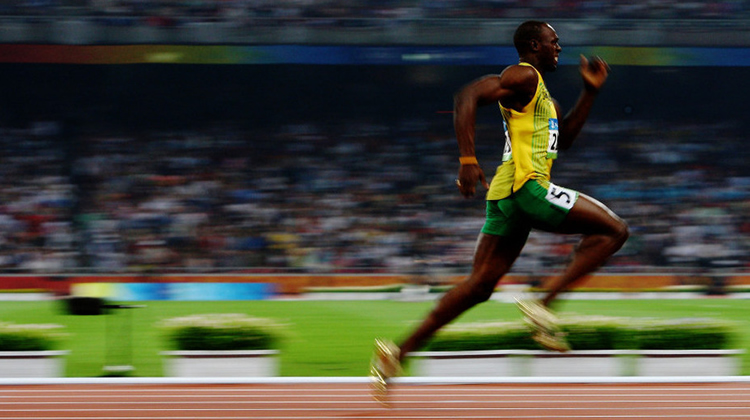
With more and more people looking into whole food, ancestral or evolutionary type diets, more and more athletes are choosing to adopt a paleo-based approach to eating in order to improve their overall performance.

One of the reasons I believe that a paleo type diet is the best template for athletes to build a perfect personalized diet is because, by definition, it includes all of the key factors needed to be healthy, recover well and perform at your best when exercising intensely.

Here are a few foods that can boost physical performance and should be a staple for almost all athletes.

Eggs
Eggs are the most complete source of amino acids and rank the highest when it comes to assessing protein quality based on their biological value.

A single egg contains roughly seven grams of complete protein and contains all of the eight essential amino acids required to build and maintain muscle.

Eggs are loaded with B-vitamins, a great source of vitamins B1, B2, B6, and B12. Eggs also contain a lot of choline, a vitamin-like essential nutrient that’s similar to B-vitamins that supports proper brain function, and is sometimes used by athletes to delay fatigue in endurance sports.

Eggs are also an excellent source of zinc, which optimizes testosterone production and the building of lean muscle mass, and also a pretty good source of magnesium, which is essential for over 300 cellular functions and is linked to improved intra-workout recovery and better quality sleep.

Egg yolks are one of the few foods that naturally contain vitamin D, making it a convenient way to up your intake without having to sit out in the sun. Vitamin D is essential for strong bones and muscles, as well as overall health.

Eggs also contain iron which is required to produce haemoglobin, which carries oxygen throughout the body.

A complete amino acid profile, a ton of micronutrients, all great for athletes, and surprisingly low-calorie equals one nutrient dense food source for optimising performance.

Grass-fed Butter
For the last 30 years or so, saturated fats like butter have been erroneously considered the number one enemy in conventional medicine, supposedly responsible for heart disease and poor health. However, the scientific community is now clear that saturated fats aren’t bad for us, and in fact are extremely important for overall health.

Grass-fed Butter is literally a Superfood. Nutrient wise it’s very high in Vitamins A, D, E and K2. These vitamins are responsible for hormonal balancing, and cardiovascular health. Magnesium and Zinc are also huge players in the game. By consuming Grass-fed Butter you can balance calcium levels, repair muscles and provide adequate energy during training.

Grass-fed Butter can provide 20 times more ATP during cellular metabolism than can be gained by eating all sorts of processed grains and sugars.

Saturated fats play a critical role on a couple of fronts. First, they are shown to help athletes recover from intense exercise and over-training. Studies have found that athletes who are rundown during periods of intense training typically have low cortisol and low testosterone levels, to go along with fatigue, excessive delayed onset muscle soreness, low libido and low mood… all symptoms of over-training.

Saturated fats can also be a great tool for endurance athletes, because unlike most fats they can be absorbed directly by the gut and used for instant energy. This means the medium chain triglycerides in butter can effectively be used like carbohydrates for energy during runs, rides, swims, or metabolic conditioning.

You get 9 calories when using fats for fuel versus 4 calories when using carbohydrates, so you dramatically improve your fuel efficiency. This can translate into better performance.

Beets
The consumption of large quantities of beets has been found to dramatically increase blood nitrate levels, and in turn boost athletic performance.

This promotes nitric oxide formation, which is a powerful vasodilator that helps increase blood flow to working muscles allowing your mitochondria to produce ATP more efficiently. This creates an ‘anti-fatigue’ effect, meaning you can do the same amount of work for longer period with less stress to the body, producing significant endurance benefits in athletes.

Load up on beet juice daily for five or so days before a competition or consume as a regular part of your diet to reap the benefits.

Coffee
Not necessarily an ancestral or traditional food, coffee can provide a terrific performance boost. There are countless performance-enhancing supplements that are now available on the market, some of them better than others. The best however, if you’re looking to improve your performance, is a the classic cup of black coffee.

Caffeine, found naturally in tea and coffee, is truly one of the best performance-enhancing drugs in the world. In fact, supplemental caffeine is the “secret” ingredient in virtually all the marketed weight loss and performance supplements because it’s so effective.

What can caffeine do for you?

A cup of black coffee is all you need for a natural stimulant and effective pre-workout. Several studies have shown caffeine to boost athletic performance and improve a variety of other health markers.

The effects will vary from person to person, but the peak stimulant effect usually occurs 30-60 minutes after consumption. Once it enters the bloodstream, several responses begin to occur within the body. Heart rate and blood pressure increase, which in turn delivers oxygen to the muscles at a faster rate and fat stores begin to metabolize and are released into the bloodstream. This typically will lead to you feeling energised and ready to workout.

With regards to athletic performance, caffeine has been shown to increase various types of performance when consumed in moderate amounts.

Caffeine has also been shown to give the athlete the ability to train for longer duration and with a higher power output. It has also been shown to improve overall endurance and resistance to fatigue.

Endurance athletes probably benefit the most from the consumption of caffeine. This may be due to the point mentioned above where caffeine consumption can increase the breakdown of fat stores to be used as energy, thus saving stored glycogen for when it is needed most, such as the increased intensity of a sprint to the finish line.

Why you should be eating Garlic


aHR0cDovL3d3dy5saXZlc2NpZW5jZS5jb20vaW1hZ2VzL2kvMDAwLzEwMC84MDMvb3JpZ2luYWwvR2FybGljLXNodXR0ZXJzdG9jay5qcGc=

Garlic is native to the Mediterranean and Syria, although it is Central Asia where it is grows most abundantly today. Writings from Babylonia, China and India have indicated that garlic was well-known as a superfood in ancient times.

It has always been known as a medicinal plant. Ancient Greeks and Romans believed that it conferred protection and strength, and throughout the Middle Ages it was widely used as a medicine in Europe and Asia.

Throughout history, garlic has also been surrounded by many superstitions, most likely due to its odiferous nature. It is best known for the protection against vampires, and many years prior to that belief, midwives in ancient Greece would string garlic around the necks of newborns for protection against evil spirits.

Why it’s a superfood?

  • High in manganese;
  • Good source of vitamins B6 and C;
  • Contains numerous phytochemicals.

Healthy evidence
Garlic contains several important phytochemicals, including thiosulfinate allicin, and S-allycysteine, which act as antioxidants and have other functions that help fight disease.

This 2001 study found that daily garlic supplementation reduced the number of colds by approximately 65% when compared to placebo. The average length of the cold symptoms was also reduced by 70%, from five days in the placebo group to just one and a half in the garlic group.

Several studies have also found that garlic supplementation can have a significant impact in reducing blood pressure in people suffering from high blood pressure.

This study found that between 600 mg and 1,500 mg of aged garlic extract was just as effective as the drug Atenolol at reducing blood pressure over a six month period.

The amount required to achieve the desired benefits are equivalent to about four or five cloves of garlic per day.

Making the most of Garlic
The key to making the most of garlic is consistently and variety. Use it often, in a variety of dishes to receive all of the benefits. When roasting, cut cloves into slices to release the phytochemicals.

Homemade Primal Eggnog

Homemade-Eggnog

With the holiday season just around the corner I thought it would be a good time to mention one of my favourite drinks of the holiday season. Eggnog.

Eggnog, is a chilled sweetened diary-based beverage, traditionally consumed throughout Canada and the United States during the Christmas season.

Homemade eggnog has a pure, custard-like flavor and is less sugary and less questionable ingredients than most of the eggnog sold in stores. All you need is a few fresh eggs, some milk and full-fat cream, maple syrup or sugar and some nutmeg.

Here is a quick diary free recipe.

Ingredients (serves 2)

  • 4 raw egg yolks;
  • 300ml of coconut milk;
  • 1-2 teaspoon of maple syrup (or coconut sugar);
  • 1/2 teaspoon of vanilla extract;
  • 30ml of rum (optional).

Place all ingredients into a blender for approximately 30 seconds. Place in the mixture into the fridge. The longer you let the eggnog chill, the thicker and more custard-like it will become.

Before serving, dust with ground cinnamon and nutmeg.

Why you should be eating cinnamon

iStock-497454523-e1508183921932

What is called cinnamon in most western countries is usually called cinnamon cassia, which comes from an evergreen tree native to China, Bangladesh, India and Vietnam. It is closely related to true cinnamon, cinnamomum verum, also known as ceylon cinnamon.

Cinnamon has been an important spice for thousands of years, and was once even more valuable than gold. It is often ground into a fine powder and used as a flavouring for desserts, curries and in baking. It is also used in some religious rights and even medicinally.

Why it’s a superfood?

  • High in fiber and mangansese;
  • Good source of calcium and iron;
  • Contains antioxidant anthocyanidins and chalcone polymers.

Healthy evidence
This study from 2009 reported that cinnamon was effective in the treatment of diabetes. In patients with diabetes, taking 1 gram of cinnamon daily for 90 days significantly lowered an important blood marker for blood glucose control, HbA1C. Researchers concluded that cinnamon could be useful to regulate blood glucose.

Cinnamon stimulates insulin-like activity. It can reduce insulin resistance in the body. This helps glucose to metabolise within the liver and lower the amount remaining in the blood. This meta analysis conducted in 2015 reported that taking doses of 120 mg/day for approximately 4 months resulted in a decrease in fasting blood glucose and an improved lipid profile.

Making the most of cinnamon
The consumption of roughly 1 tablespoon of cinnamon daily can be beneficial to health. Mix cinnamon in yoghurt, or alternatively add cinnamon to your hot drinks, such as coffee, tea or cocoa.

I regularly add some cinnamon to my morning coffee. Give it a try, and let me know what you think?

Are you at risk of Diabetes?

sugar-cubes-diabetes_h

What is Type-2 diabetes?
Type-2 diabetes is a chronic (long-term) disease marked by high levels of sugar in the blood. It is sometimes called a lifestyle disease, because it is more common in people who don’t do enough physical activity, and who are overweight or obese.

Type-2 diabetes is diagnosed when the pancreas does not produce enough insulin (reduced insulin production) and/or the insulin does not work effectively, and/or the cells of the body do not respond to insulin effectively (insulin resistance).

Type-2 diabetes is the most common form of diabetes, contributing to approximately 85% of all cases.

There are currently over 1.2 million people in Australia with diabetes. This figure is expected to increase significantly in the coming years, with over 2 million people at high risk of developing diabetes.

People with diabetes have a higher risk of developing heart disease, stroke, high blood pressure, circulation problems, lower limb amputations, nerve damage and damage to the kidneys and eyes.

In 2004-2005, 60% of all people reporting diabetes also reported having cardiovascular disease

– Australian Bureau of Statistics

Risk Factors
Many Australians, particularly those over the age of 40, are at risk of developing Type-2 diabetes through poor lifestyle choices such as inadequate physical activity and poor nutrition.

Some genetic factors may also increase your risk of developing type-2 diabetes.

Symptoms
Common symptoms include:

  • Increased thirst;
  • Frequent urination;
  • Unexplained weight loss;
  • Increased hunger;
  • Reduced energy;
  • Reduced healing capacity;
  • Itching and skin infections;
  • Blurred vision;
  • Increased weight;
  • Mood swings;
  • Leg cramps.

Insulin
Insulin is a hormone produced by the pancreas that allows the body to use glucose from carbohydrates in the food for energy, or to store glucose for future use. Insulin helps keep your blood glucose level from getting too high (hyperglycemia), or too low (hypoglycemia).

Many of the cells in your body use glucose for energy. However, glucose cannot go into most of your cells directly. After you eat food and your blood glucose level rises, the beta cells in your pancreas are signalled to release insulin into your bloodstream.

Insulin is often described as the key that unlocks the cell to allow sugar to enter the cell and be used for energy.

If you have more glucose in your body than it needs, insulin helps store the glucose in your liver and will release it when your blood glucose level is low or during times of physical activity. Therefore, insulin helps balance out blood glucose levels and keeps them in a normal range. As blood glucose levels rise, the pancreas secretes more insulin.

If your body does not produce enough insulin or your cells are resistant to the effects of insulin, you may develop hyperglycemia, which can cause long-term complications if the blood sugar levels stay elevated for long periods of time.

Below is a table explaining risk levels based on your blood glucose levels, in both fasted and non-fasted (2-hours post-meal) states.

blood-glucose-numbers-e1542706142794.jpg

What can you do about lowering your risk?
For a start, your lifestyle choices can definitely lower your chances, or, at least delay the onset of type-2 diabetes.

There are some factors that you can not change, such as your genetic makeup and predisposition to developing type-2 diabetes. You can, however, do something about being overweight, waist measurement, how active you are, eating habits, and how much or often you smoke.

Even if you haven’t won the gene pool lottery, you can still reduce your risk with positive lifestyle choices. This is called gene expression. Simply put, you genes load the gun, but it’s your environment that pulls the trigger.

What does this mean? Well, by increasing your physical activity, improving your eating habits and getting some quality sleep you will be well on the way to lowering your overall risk.

Sleep quality
Poor sleep can affect diabetes both directly and indirectly, by changing normal patterns of hormones, contributing to greater weight gain and obesity, and causing changes to lifestyle.

Sleep deprivation or poor sleep quality, especially as we reach middle age and older, can almost double your risk of developing type-2 diabetes, according to several large studies.

Sleep deprivation also increases the stress hormone cortisol, which can make cells even more insulin resistant.

By improving your sleep patterns you will be setting yourself up for success. Sleep has a strong influence over eating patterns, exercise habits, and the hormones that regulate hunger and satiety.

Physical activity
The Australian Government Department of Health guidelines for physical activity suggest that adults should be aiming for somewhere between 2.5 and 5 hours of moderate level physical activity per week, or alternatively, 1 to 2.5 hours of high intensity physical training.

Most people understand the benefits of pushing some weight around in the gym, but this doesn’t mean that everybody needs to live there. A casual jog or run around the river, swimming some laps in the pool, a game squash or even a short hike will all work well. The variations are endless.

Even something as little as adding a 30 minute walk after meals you can greatly reduce the amount of insulin required to transport glucose around the body.

The take away here is that some physical activities better than zero physical activity.

Nutrition
Making the shift to more of a whole food based diet and lowering your overall carbohydrate intake will great reduce the body’s requirement to control insulin. A paleo type diet is a good place to start as it eliminates most of the troublesome foods like refined sugars, cereals and grain based products, and emphasises on eating lean meats and fish, along with plenty of vegetables and some healthy fats and oils.

The aim here is to reduce the amount of insulin required to transport glucose around the body. Lowering your dietary carbohydrate intake will most definitely reduce the need for your body to produce insulin.

How low-carb do you have to go? Well… The issue here is that what works for one person may not work as well for the next. This is where personalised nutrition can play a part in your success. All this means is that different foods react differently with different people.

Modern era diets can be upwards of 55% carbohydrate for total caloric intake. This can be about 300-350 grams per day. That is quite high considering how sedentary the modern lifestyle has become.

Lets say you half that number. 100-150 grams per day. Pretty easy to do if you ditch cereal and grain based products. It takes a lot of broccoli and spinach to total 100 grams of carbohydrate.

Now combine that with quality sleep and some physical training, and you will be reducing your body’s requirement to produce insulin whilst activating optimal fat burning processes.

Another bonus is that you will be lowering your total caloric intake without a real loss of nutrient density, so you’ll probably find that you’ll also lose a few unwanted kilograms at the same time, which will likely improve several other health biomarkers, leading to an improved quality of life.

To me, that looks like a net win.

If you are struggling with controlling your insulin levels, it is always best to consult with your health professional.